
Traumatic Delivery: Signs, Impact, and Your Legal Rights
A traumatic delivery is often defined as a labor and birth experience that involves serious physical injury, the threat of death to the mother or baby, or a profound loss of bodily autonomy. While medical professionals often focus solely on the clinical outcome, the subjective experience of the mother is just as critical in defining birth trauma. Many families enter the delivery room expecting a controlled environment only to find themselves in a life-threatening crisis. When these events occur, the physical and emotional scars can last for decades, affecting the bond between parent and child as well as the mother’s long-term mental health.
In many cases, a traumatic delivery is the result of unpredictable biological complications that arise during labor. However, a significant number of these experiences are caused or worsened by medical negligence, poor communication, or a failure to follow the accepted standard of care. When doctors and nurses fail to monitor fetal distress or wait too long to perform an emergency procedure, they turn a manageable situation into a traumatic event. Families who have endured such an experience often feel a deep sense of betrayal by the healthcare system they trusted to protect them.
This guide provides a detailed look at what constitutes a traumatic birth from both a medical and legal perspective. We will examine the most common causes of birth trauma, the red flags that indicate medical errors occurred, and the steps you can take to seek accountability. Understanding the full scope of a traumatic delivery is the first step toward healing and securing the resources your family needs to move forward.
Defining the Clinical Causes of a Traumatic Birth
A traumatic delivery can stem from several different clinical scenarios that place the mother or baby at extreme risk. One of the most common causes is an emergency C-section that is performed under chaotic or rushed conditions. When a baby’s heart rate drops or the mother’s health fails, the shift from a calm room to a surgical suite can be jarring and frightening. If the medical team does not explain why this is happening, the lack of information contributes heavily to the mother’s sense of trauma.
Another major contributor to birth trauma is the use of assistive tools like forceps or vacuum extractors. These instruments are often used when a baby is stuck in the birth canal, but their application can be physically violent and painful. If a doctor uses these tools without proper anesthesia or without the mother’s informed consent, the experience is often categorized as obstetric violence. The physical injuries resulting from these tools, such as severe maternal tearing or neonatal skull fractures, are literal marks of a traumatic birth.
Maternal complications such as postpartum hemorrhage or uterine rupture also fall under the category of traumatic delivery. These are “near-miss” events where the mother may lose a significant amount of blood or require emergency surgery to save her life. The fear of dying during what should be a joyful moment is a foundational element of birth trauma. When these complications are caught late due to poor monitoring, the trauma is compounded by the knowledge that the danger could have been mitigated.
The Role of Fetal Distress and Medical Mismanagement
Fetal distress is a primary driver of a traumatic delivery because it signals that the baby is in immediate danger of brain damage or death. When a fetal heart rate monitor shows prolonged decelerations, the atmosphere in the delivery room changes instantly. For parents, watching a dozen medical professionals rush into the room without explanation is a deeply traumatic experience. This trauma is magnified if the baby is eventually born unresponsive and requires immediate resuscitation or NICU admission.
Medical mismanagement often turns a standard complication into a traumatic crisis. For instance, if a nurse ignores a mother’s report of extreme pain or a change in her condition, the mother feels abandoned during her most vulnerable moment. This lack of responsiveness often leads to delayed interventions, such as a late C-section or a failure to treat an infection. According to research on emergency CS timing and decision-to-delivery intervals, delays in these critical moments are a primary cause of preventable birth injuries.
When a medical team fails to manage labor properly, they may rely on aggressive maneuvers to “fix” the problem quickly. This can include applying excessive fundal pressure on the mother’s abdomen or using improper traction on the baby’s head. These actions are often physically damaging and can lead to permanent injuries like Erb’s palsy for the baby or pelvic floor damage for the mother. A delivery that involves these aggressive and unnecessary maneuvers is, by definition, a traumatic event.
The Psychological Impact: Birth-Related PTSD
The impact of a traumatic delivery is not limited to physical injuries; the psychological toll is often equally devastating. Many women who experience birth trauma develop Post-Traumatic Stress Disorder (PTSD) specifically related to their delivery. Symptoms can include intrusive flashbacks of the birth, avoidance of medical settings, and extreme anxiety when thinking about the experience. As noted in studies on childbirth-related post-traumatic stress disorder, this condition is a critical maternal health issue that requires systemic attention.
Birth-related PTSD can interfere with the mother’s ability to bond with her newborn. Because the child is a constant reminder of the traumatic event, the mother may struggle with feelings of resentment or fear toward the baby. This is a recognized clinical outcome of a traumatic delivery and should never be viewed as a personal failing of the mother. It is a biological response to an overwhelming and terrifying event that was often out of her control.
Furthermore, a traumatic birth can affect a family’s desire to have more children in the future. Many parents decide to stop having children altogether because they cannot bear the thought of repeating the trauma. This loss of future family planning is a significant “damage” in a legal context. When medical negligence robs a family of their sense of safety and their future plans, the responsible parties should be held accountable for that loss.
Physical Injuries to the Mother
A traumatic delivery often leaves the mother with significant, long-term physical injuries that require extensive medical treatment. Severe perineal tearing, specifically third or fourth-degree tears, can lead to chronic pain and incontinence. Recent clinical reports suggest that reforms are needed in postnatal care for perineal trauma to address the normalization of these severe injuries. The recovery from such injuries is often long and involves multiple follow-up surgeries and physical therapy.
Pelvic organ prolapse and nerve damage are also common physical outcomes of birth trauma. When labor is allowed to go on for too long without intervention, the sheer pressure of the baby in the birth canal can damage the mother’s internal structures. This can result in the bladder or uterus dropping from their normal positions, causing lifelong discomfort and requiring reconstructive surgery. Doctors have a duty to recognize when labor is stalled and to intervene before these permanent injuries occur.
In some extreme cases, a traumatic delivery results in an emergency hysterectomy. This occurs when a hemorrhage cannot be controlled or when the uterus is so damaged that it must be removed to save the mother’s life. This is a catastrophic outcome that ends a woman’s fertility instantly and causes a massive shift in her hormonal health. If this outcome was preventable through earlier intervention, it represents a very serious case of medical malpractice.
Physical Injuries to the Baby
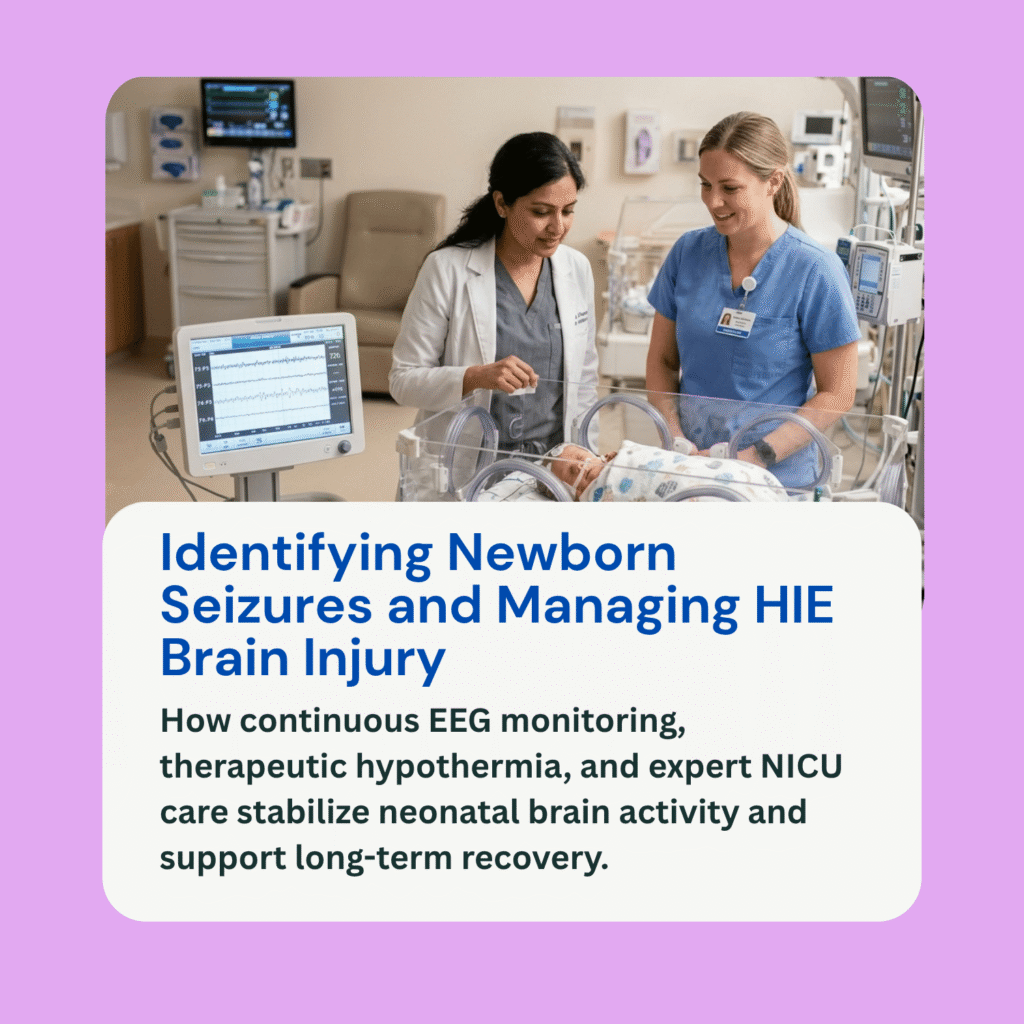
While the mother endures physical trauma, the baby is also at extreme risk during a traumatic delivery. One of the most feared outcomes is Hypoxic-Ischemic Encephalopathy (HIE), which is brain damage caused by oxygen deprivation. This occurs when the medical team fails to respond to fetal distress or umbilical cord complications in a timely manner. A baby born with HIE may face a lifetime of challenges including cerebral palsy, developmental delays, and seizure disorders.
Physical trauma to the baby’s body is also a frequent hallmark of a traumatic birth. Fractured clavicles, skull fractures, and brachial plexus injuries are common when a baby is forced through the birth canal with excessive traction. While a broken bone may heal, a brachial plexus injury can lead to permanent paralysis or weakness in the child’s arm. These injuries are often the result of a doctor’s panic or lack of skill during a difficult delivery.
Finally, the trauma of being born unresponsive and requiring immediate NICU care can have long-term effects on the baby’s development. The separation of the mother and baby immediately after birth disrupts the vital “golden hour” of bonding. This separation is often necessary for medical reasons, but it adds to the overall traumatic nature of the birth experience for both parties. Monitoring the child’s milestones closely after such a birth is essential for early detection of potential issues.
Obstetric Violence and Lack of Informed Consent
A growing area of concern in the discussion of traumatic delivery is the concept of obstetric violence. This refers to the dehumanization of women during labor and the use of medical interventions without consent. For example, if a doctor performs a vaginal exam or an episiotomy while the mother is explicitly saying “no,” this is a violation of her basic human rights. Such experiences are inherently traumatic and contribute to a lifelong distrust of the medical community.
Informed consent is a legal requirement in New York and across the country. This means that a doctor must explain the risks and benefits of a procedure before performing it, unless it is a life-threatening emergency. In many traumatic births, mothers report that procedures were performed on them without any explanation or choice. This lack of agency is a major factor in why women perceive their births as traumatic even if the baby is healthy.
When we investigate a case for birth trauma, we look closely at the communication between the medical staff and the parents. If the doctors made unilateral decisions that led to injury or trauma, they may be liable for malpractice. A patient does not lose their right to bodily autonomy just because they are in labor. Protecting these rights is essential for preventing traumatic deliveries and holding negligent providers accountable.
Seeking Legal Accountability for Birth Trauma
If you have experienced a traumatic delivery, you may be wondering if you have a legal right to seek compensation. In New York, medical malpractice claims can be filed for both the physical injuries to the baby and the injuries to the mother. This includes the psychological trauma associated with a near-miss event or the loss of a child. Seeking legal advice is a way to gain clarity on whether your experience was a result of medical errors.
A legal claim can help your family recover the costs of the care you now need. This includes the cost of specialized therapy for PTSD, surgeries to repair physical damage, and the lifetime of care required for an injured child. Families should be aware that the New York birth injury statute of limitations provides a 10-year window for minor children, but other deadlines are much stricter. Hospitals are often reluctant to admit mistakes unless they are compelled to do so through the legal process.
Your attorney will work with medical experts to review your charts and determine if the standard of care was met. They will look at the timing of every intervention and the responses of the medical staff to your symptoms. If it is found that your trauma was preventable, you can hold the hospital and the physicians responsible for the harm they caused. This process is a vital part of finding closure and ensuring that similar mistakes do not happen to other families.
Frequently Asked Questions
1. Can I sue for a traumatic delivery if my baby is healthy?
Yes, you can still file a claim if you, as the mother, suffered physical or significant psychological injuries during the delivery. Medical malpractice covers injuries to both the mother and the baby. If you suffered from a preventable hemorrhage, a severe tear, or birth-related PTSD due to negligence, you have a right to seek compensation for your own damages.
2. What is the statute of limitations for birth trauma in New York?
In New York, the standard statute of limitations for medical malpractice is two years and six months from the date of the injury. However, for injuries to infants, the law allows a tolling period of up to 10 years. It is vital to consult a lawyer early to ensure no deadlines are missed.
3. How do I prove that my birth trauma was caused by medical negligence?
Proving negligence requires a thorough review of your medical records by an independent expert. The expert must determine that the medical team deviated from the accepted “standard of care” and that this deviation caused your trauma. Your lawyer will handle the process of gathering evidence and hiring the necessary medical specialists to build your case.
4. What is a “Notice of Claim” and when is it required?
If your traumatic delivery occurred at a public or city-run hospital, New York law requires a Notice of Claim to be filed within 90 days. Failing to meet this extremely short deadline can permanently bar you from seeking justice against municipal healthcare facilities.
5. What kind of compensation can I receive for psychological trauma?
Compensation for psychological trauma, such as PTSD, falls under “pain and suffering” or non-economic damages. This can cover the cost of long-term mental health counseling, medication, and the impact the trauma has had on your quality of life and your ability to work. In New York, there is no cap on the amount a jury can award for these damages.
6. Can a traumatic delivery cause long-term health issues for the mother?
Yes, traumatic deliveries are linked to several long-term health issues including chronic pelvic pain, fecal or urinary incontinence, and sexual dysfunction. The psychological impact can also lead to long-term anxiety and a fear of future medical procedures. Proper medical and psychological follow-up is essential for managing these chronic conditions.
7. Does a traumatic delivery always lead to a birth injury for the baby?
Not necessarily, but the two are very closely linked. A traumatic delivery often involves the same risk factors—such as oxygen deprivation or excessive force—that lead to permanent birth injuries. Even if the baby appears healthy at birth, a traumatic delivery increases the risk of developmental delays that may not appear until the child is older.
8. What should I do if I suspect my doctor made a mistake during my delivery?
The first step is to request a complete copy of your medical records and your baby’s records from the hospital. You should also write down your own account of the delivery while the details are still fresh. Finally, consult with a birth injury lawyer who specializes in traumatic deliveries to get a professional opinion on whether you have a case.
Next Steps: Moving Toward Recovery
Recovering from a traumatic delivery is a long and difficult journey that requires both time and professional support. Your first priority should always be your health and the health of your child. This means seeking out specialists who understand birth trauma, including pelvic floor physical therapists and mental health professionals who specialize in perinatal PTSD. Do not be afraid to advocate for yourself and your needs during this vulnerable time.
In addition to your medical recovery, protecting your legal rights is a critical step in securing your family’s future. The costs of treating the physical and emotional scars of a traumatic birth can be staggering. By holding the negligent parties accountable, you ensure that you have the financial resources necessary to access the best possible care for yourself and your child. This accountability also serves as a vital tool for improving medical standards and preventing other mothers from enduring the same trauma.
If you are ready to explore your options, reach out to a legal team that specializes in New York birth injuries and maternal malpractice. They can provide a supportive and confidential environment where you can share your story and learn about your rights. Taking this step is a powerful way to reclaim your narrative and move from being a victim of birth trauma to a survivor who has secured justice for her family.