

Early Signs of Erb’s Palsy in Newborns Every Parent Should Know
The first few days of a newborn’s life are filled with constant observation as parents learn the unique movements and behaviors of their child. While most babies move their limbs with a characteristic restlessness, some parents may notice that one of their child’s arms remains still or appears heavy. This lack of movement is often one of the first signs of Erb’s palsy in newborns, a condition resulting from a brachial plexus injury during delivery. Understanding these symptoms early is vital because the window for optimal nerve recovery is often narrow and requires immediate medical attention.
Erb’s palsy occurs when the network of nerves in the neck and shoulder, known as the brachial plexus, is stretched, compressed, or torn during birth. This injury is most commonly associated with a complication called shoulder dystocia, where the baby’s shoulder becomes stuck behind the mother’s pelvic bone. If the medical team uses excessive force to pull the baby out, the nerves that control the arm can be permanently damaged. While some cases resolve with therapy, others lead to lifelong paralysis or muscle weakness if the injury was severe and mismanaged.
This guide is designed to empower parents with the knowledge they need to identify the physical symptoms of nerve damage in their infants. We will explore the common presentation of this injury, how doctors confirm the diagnosis, and why early detection is the most important factor in your child’s long-term recovery. If you suspect your child was injured during a difficult delivery, knowing what to look for can help you advocate for the specialized care your baby deserves.
Visible Lack of Movement and Arm Weakness
The most prominent indicator of a brachial plexus injury is a noticeable difference in how a baby uses their arms. In a healthy newborn, both arms should move spontaneously, especially when the baby is crying or startled. If you notice that one arm remains limp at the baby’s side while the other is active, this is a significant red flag. This lack of spontaneous movement is caused by the interruption of electrical signals from the brain to the muscles of the arm.
Arm weakness can vary in severity depending on which specific nerves were damaged during the delivery process. Some infants may be able to move their fingers and wrists but find it impossible to lift their shoulder or bend their elbow. Others may experience a total loss of motor function in the entire limb, a condition often referred to as a “flail arm.” Any perceived asymmetry in a newborn’s movement should be reported to a pediatrician immediately for a neurological evaluation.
Parents often notice these symptoms during routine activities such as dressing or bathing their child. You may find that one arm feels “heavier” or does not resist when you gently move it to slide into a sleeve. In a healthy infant, the muscles should have a certain amount of “tone” or natural tension. An arm that feels completely floppy or ragdoll-like is often suffering from a lack of nerve innervation.
The “Waiters Tip” Position and Abnormal Posture
One of the most classic signs of Erb’s palsy in newborns is a specific physical posture known as the “waiter’s tip” position. In this presentation, the affected arm hangs straight down and is rotated inward toward the body. The wrist is often flexed or bent at an awkward angle, mimicking the way a waiter might subtly hold their hand out for a tip behind their back. This occurs because the muscles that usually rotate the arm outward and lift the wrist are paralyzed, allowing the opposing muscles to pull the limb into an abnormal position.
This posture is not just a temporary habit but a direct result of muscle imbalance caused by nerve damage. When the upper nerves of the brachial plexus (C5 and C6) are injured, the baby loses the ability to use the deltoid and biceps muscles. Without these muscles functioning, the arm cannot be lifted away from the body or bent at the elbow. Observing your child’s resting posture is a critical part of identifying this injury in the first few weeks of life.
In some cases, the hand may also be affected, leading to a “claw-like” appearance if the lower nerves are also involved. However, classic Erb’s palsy primarily affects the upper arm and shoulder. If you see your child consistently holding their arm in this rotated, downward position, it is a sign that the nerves are not communicating with the shoulder and elbow stabilizers.
Absence of the Moro Reflex
Pediatricians use a series of reflex tests to check a newborn’s neurological health, and the Moro reflex is one of the most telling. Also known as the “startle reflex,” this occurs when a baby feels a sudden loss of support or hears a loud noise. A healthy baby will respond by throwing their arms out to the sides with palms up and then pulling them back in toward their chest. If there are signs of Erb’s palsy in newborns, the Moro reflex will be absent or significantly diminished on the injured side.
You can observe this at home if your baby is startled by a sudden movement or sound. You will notice that the healthy arm jumps and extends as expected, while the injured arm remains still or only moves slightly at the wrist. This asymmetry is a clear indicator that the neural pathway required for the reflex has been disrupted. Doctors consider the absence of the Moro reflex to be one of the primary diagnostic markers for a brachial plexus birth injury.
The Moro reflex usually disappears by the time a baby is three or four months old. Therefore, the absence of this reflex is most useful as a diagnostic tool in the very early stages of infancy. If your child is nearing the three-month mark and has never displayed a symmetrical startle response, it is crucial to seek a consultation with a pediatric neurologist.
Sensory Issues and Grip Strength
While motor function is the most visible concern, Erb’s palsy can also affect a baby’s sensory perception. This means the infant may have diminished feeling or total numbness in the affected arm, shoulder, or hand. While a newborn cannot tell you they are numb, you may notice that they do not react when that specific arm is touched, poked, or pinched during a medical exam. This lack of sensation can lead to accidental injuries as the child grows because they cannot feel pain in the limb.
Additionally, you should pay close attention to your baby’s grip strength. Even though Erb’s palsy primarily affects the upper arm, a severe injury can still impact the overall coordination and strength of the hand. You can test this by placing your pinky finger in the baby’s palms. A healthy baby will have a strong, symmetrical grasp on both sides. If the grasp on one side feels significantly weaker or non-existent, it may indicate a more extensive brachial plexus injury known as Klumpke’s palsy or a global palsy.
It is also important to look for a symptom known as Horner’s Syndrome, which sometimes accompanies severe nerve injuries. This presents as a drooping eyelid or a smaller pupil on the same side as the injured arm. This occurs when the sympathetic nerve fibers are damaged along with the brachial plexus. If you notice any changes in your baby’s eye or facial symmetry alongside arm weakness, this indicates a very serious injury that requires immediate surgical consultation.
How signs of Erb’s Palsy in newborns is Diagnosed by Professionals
If you report these signs of Erb’s palsy in newborns to your pediatrician, they will likely begin a formal diagnostic process to determine the extent of the nerve damage. The diagnosis usually begins with a physical exam where the doctor assesses muscle tone, range of motion, and reflexes. They will look for the specific signs we have discussed, such as the waiter’s tip posture and the lack of a Moro reflex. However, physical observation is often just the first step in a more detailed investigation.
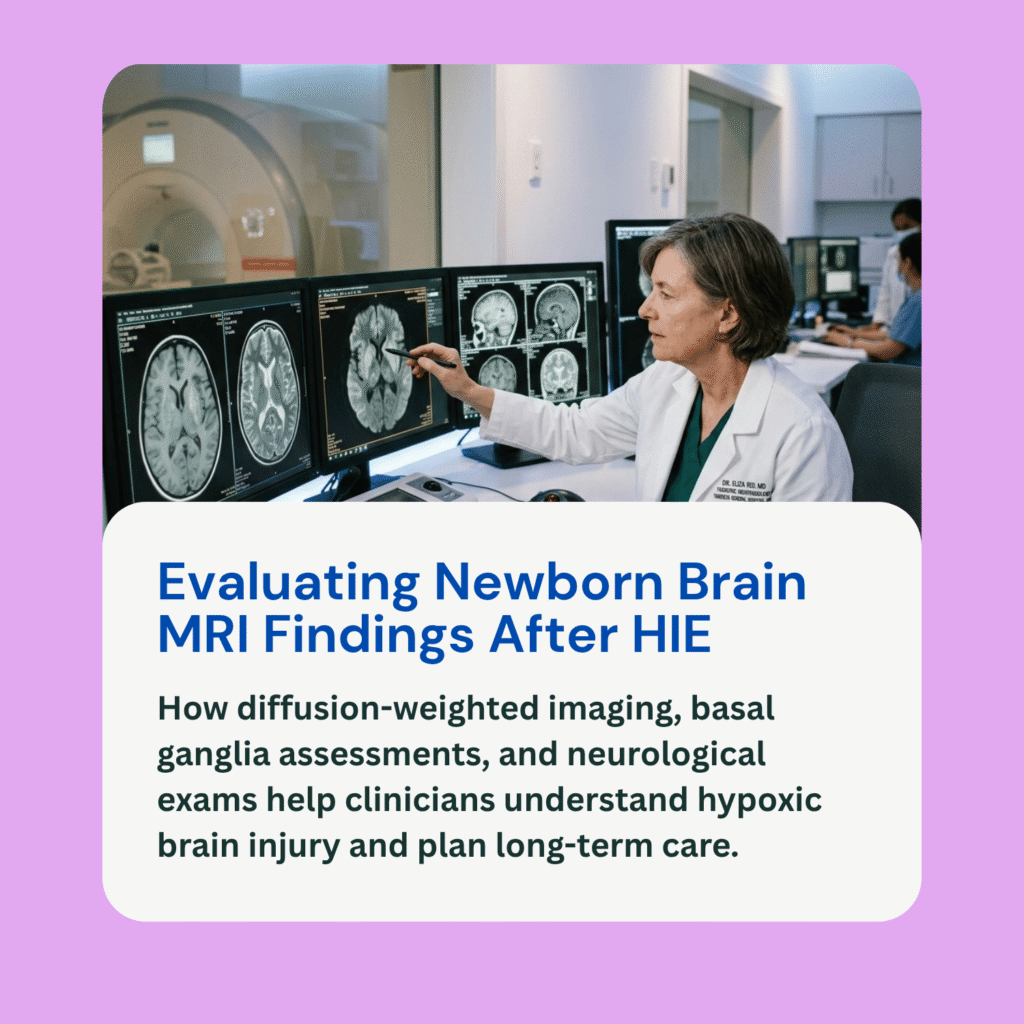
To see the actual state of the nerves, doctors may order imaging tests like an MRI or a CT myelogram. These tests help determine if the nerves are merely stretched or if they have been completely avulsed, meaning torn away from the spinal cord. They may also use an Electromyogram (EMG) to measure the electrical activity in the muscles. An EMG can tell the doctor if the muscles are receiving any signals at all from the brain, which helps in predicting the likelihood of a natural recovery.
Early diagnosis is critical because it determines the course of treatment. For minor stretch injuries, known as neuropraxia, the baby may recover fully within a few months through physical therapy. However, for ruptures or avulsions, surgery such as a nerve graft or nerve transfer may be required. If these surgeries are delayed past the first six to nine months of life, the muscles in the arm may begin to atrophy permanently, making a full recovery impossible.
Why Early Detection Matters for Recovery
The reason medical professionals emphasize the signs of Erb’s palsy in newborns is that time is the enemy of nerve regeneration. Nerves heal very slowly, and if the muscle is not being “used” because it lacks a nerve signal, it will eventually be replaced by fat and fibrous tissue. Once a muscle has completely atrophied, even a successful nerve surgery later in life may not be able to restore movement. Therefore, starting physical therapy in the first few weeks of life is essential to keep the joints flexible and the muscles ready for potential nerve regrowth.
Physical therapy for Erb’s palsy involves “passive range of motion” exercises. Parents are taught how to gently move the baby’s arm through its full range of motion several times a day. This prevents the shoulder and elbow joints from becoming “locked” or developing contractures. Without these exercises, the baby may develop permanent bone deformities as they grow, as the healthy muscles pull the skeleton out of alignment while the paralyzed muscles offer no resistance.
Early detection also allows parents to explore the possibility of specialized surgical intervention. There are only a few centers of excellence across the country that specialize specifically in brachial plexus reconstruction. By identifying the injury early, you can get your child onto the schedule of a specialist who can perform life-changing nerve transfers if the child does not show signs of improvement by the age of three months.
What Parents Should Do Next
If you notice any of the signs discussed in this guide, the first step is to document your observations. Take videos of your child’s movement or lack thereof, as these can be incredibly helpful for doctors who only see the baby for a few minutes during an exam. Schedule an immediate appointment with your pediatrician and specifically ask for a referral to a pediatric neurologist or a brachial plexus specialist. Do not accept a “wait and see” approach if your gut tells you that your child’s arm movement is not normal.
You should also request a full copy of your labor and delivery records. Many cases of Erb’s palsy are the result of medical negligence during a difficult delivery involving shoulder dystocia. If the medical team used excessive traction or failed to perform a C-section when the baby was known to be large, they may be responsible for the injury. These medical records will contain the vital details regarding the techniques the doctor used and whether they followed the standard of care.
Finally, consider speaking with a legal professional who specializes in birth injuries. A successful legal claim can provide the financial resources needed to pay for years of physical therapy, specialized surgeries, and any adaptive equipment your child may need. Because Erb’s palsy can impact a child’s ability to work and perform daily tasks in the future, securing their financial stability early is one of the best things you can do as a parent.
Frequently Asked Questions
1. Is Erb’s palsy always permanent?
Erb’s palsy is not always permanent, as many infants with mild “stretch” injuries make a full recovery within three to six months. However, if the nerves are torn or ruptured, the injury can lead to lifelong weakness or paralysis without surgical intervention. The outcome depends entirely on the severity of the initial nerve damage and the quality of early treatment.
2. Can Erb’s palsy be detected during pregnancy?
Erb’s palsy itself cannot be detected during pregnancy because it is an injury that happens during the actual delivery. However, the risk factors for the injury, such as gestational diabetes or a very large baby (macrosomia), can be identified through prenatal ultrasounds. If these risks are present, doctors should discuss the option of a C-section to prevent a brachial plexus injury.
3. How soon should I start physical therapy for my newborn?
Most specialists recommend starting passive range of motion exercises within the first two to three weeks of life. This early start is necessary to prevent the joints from becoming stiff and to keep the muscles healthy while the nerves attempt to heal. Your therapist will show you specific techniques to ensure you are stretching the arm safely without causing further injury.
4. What is the difference between Erb’s palsy and cerebral palsy?
Erb’s palsy is a peripheral nerve injury that affects the arm and shoulder specifically, while cerebral palsy is a brain injury that affects overall motor control and muscle tone throughout the body. Erb’s palsy is caused by physical stretching of the nerves in the neck, whereas cerebral palsy is usually caused by oxygen deprivation or trauma to the brain itself.
5. Will my child need surgery for Erb’s palsy?
Surgery is usually only recommended if the child does not show significant improvement in their bicep and shoulder function by the age of three to six months. If the nerves are completely torn, a surgeon may perform a nerve graft to bridge the gap. Your specialist will use periodic EMG tests to determine if the nerves are recovering on their own before suggesting an operation.
6. Can I sue for Erb’s palsy if my doctor said it was an accident?
Yes, you can still pursue a legal claim even if the doctor claims the injury was an unavoidable accident. Many brachial plexus injuries are caused by the application of “improper traction,” which is a fancy way of saying the doctor pulled too hard on the baby’s head. A legal expert can review the delivery notes to see if the doctor failed to use the proper maneuvers to resolve shoulder dystocia safely.
7. How long do I have to file a birth injury claim?
In most states, there are specific statutes of limitations for medical malpractice, but these are often extended for injuries involving children. However, it is always best to consult with a lawyer as soon as possible to ensure that evidence is preserved and that you do not miss any critical filing deadlines. Early action ensures that you have the best chance of securing a recovery for your child’s care.
Taking Action for Your Child’s Future
Discovering that your newborn has a birth injury is an incredibly emotional experience that can leave you feeling powerless. However, by learning the signs of Erb’s palsy in newborns, you have already taken the first step toward advocating for your child’s health and future independence. Your vigilance in the first few weeks of your baby’s life is what will allow them to receive the diagnosis and treatment they need to maximize their recovery.
Remember that you are your child’s best and most important advocate in the medical system. If you feel that your concerns are being dismissed by your medical team, seek a second opinion from a specialist who understands the complexities of the brachial plexus. The sooner your child receives an accurate diagnosis, the sooner they can begin the journey toward healing and regaining function in their arm.
In addition to seeking medical care, do not overlook the importance of protecting your child’s legal rights. A birth injury can create a lifetime of unexpected costs, and you deserve to have those expenses covered by those responsible for the injury. Reach out to a specialist who can help you uncover the truth about what happened during your delivery and help you secure the justice your family deserves.