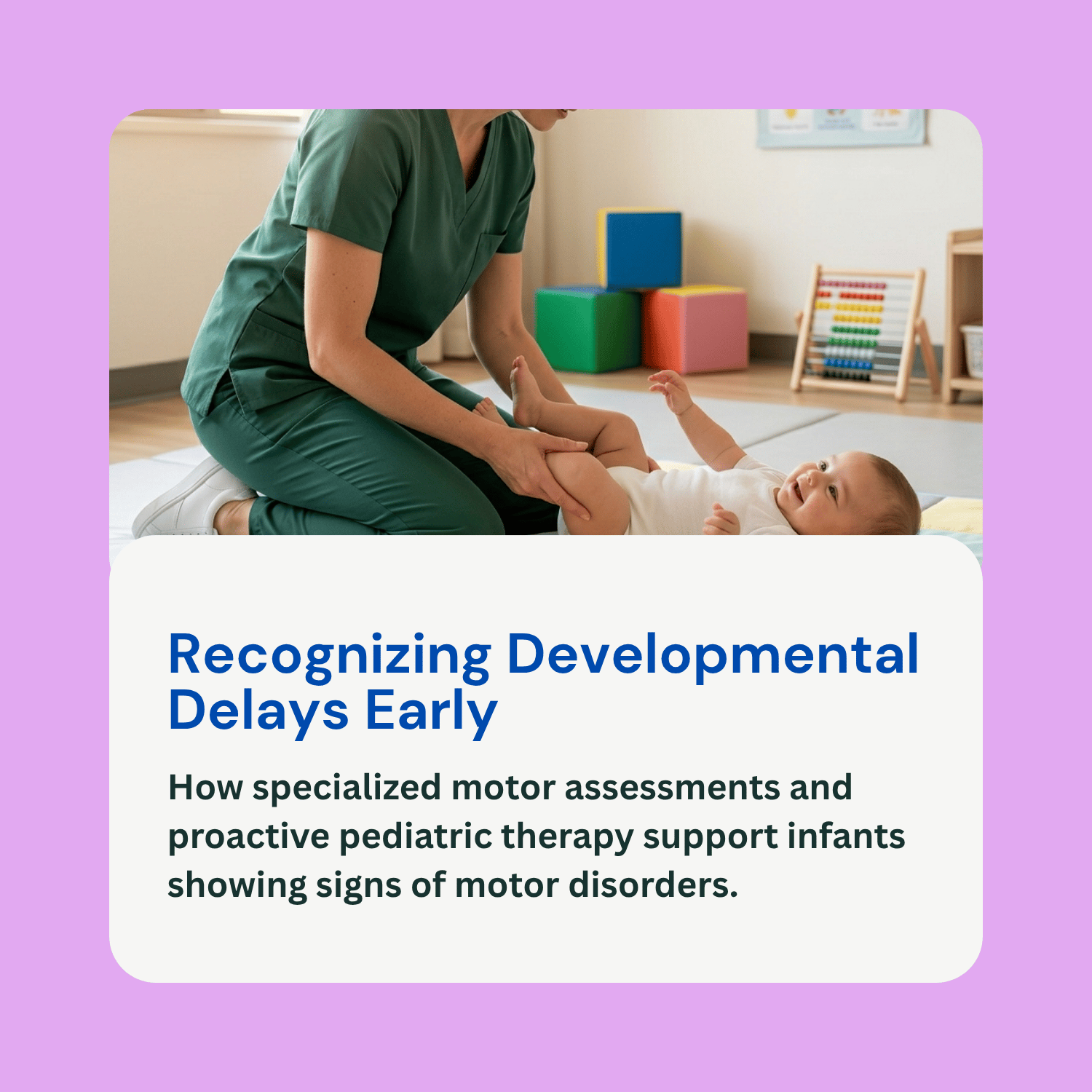

Early Signs of Cerebral Palsy Parents Should Know
Welcoming a newborn into the family brings a whirlwind of excitement, adjustments, and close observation. As parents, you naturally find yourself tracking every micro-movement, smile, and coo. While every child develops at their own unique pace, there are specific structural and motor markers that pediatricians look for to ensure a child’s nervous system is developing correctly.
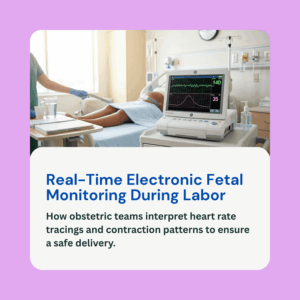
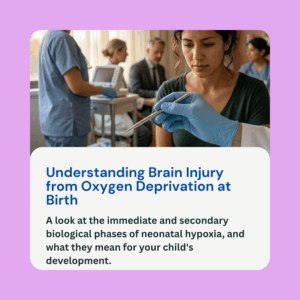
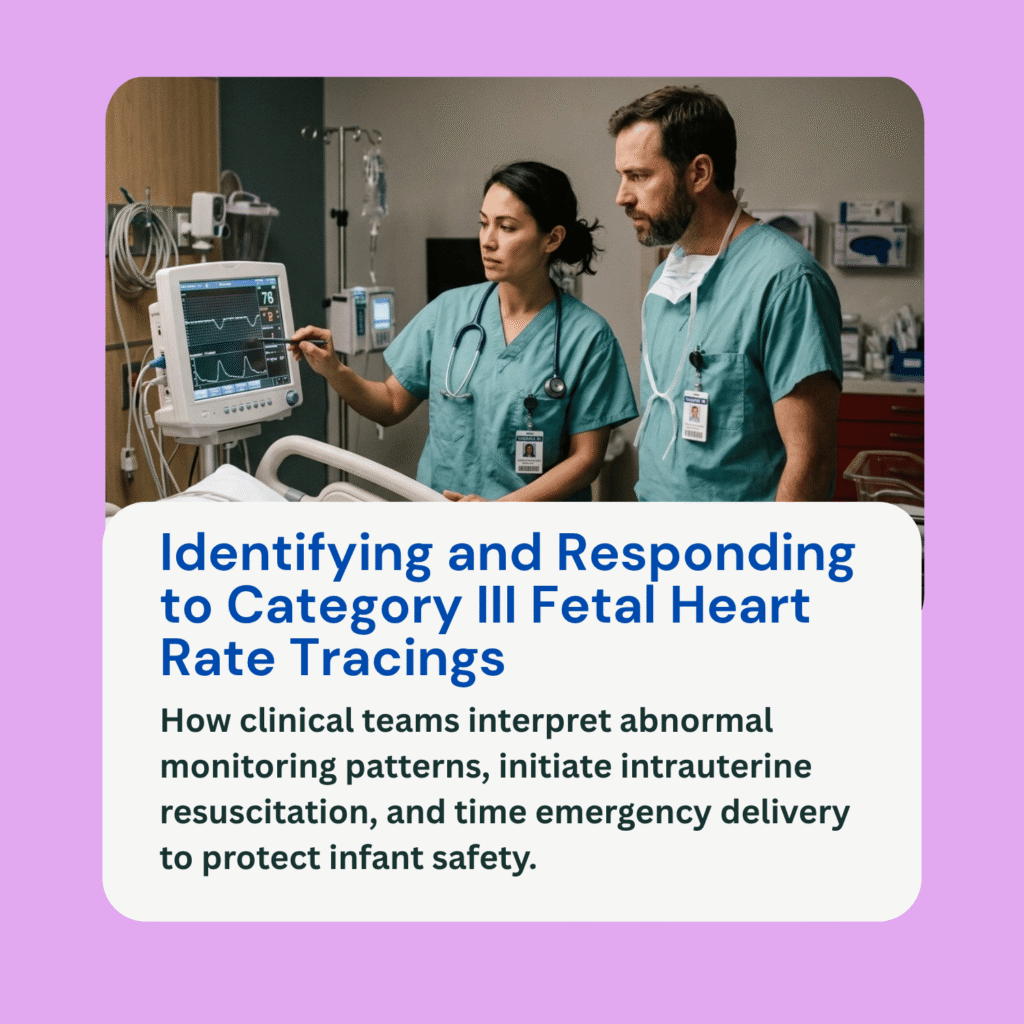
When a delivery involves complications—such as prolonged labor or oxygen deprivation—parents often become hyper-vigilant about developmental delays. Understanding the early signs of cerebral palsy can help you monitor your baby’s growth with clarity and advocate effectively for early intervention if something feels amiss.
What Is Cerebral Palsy? A Brief Overview
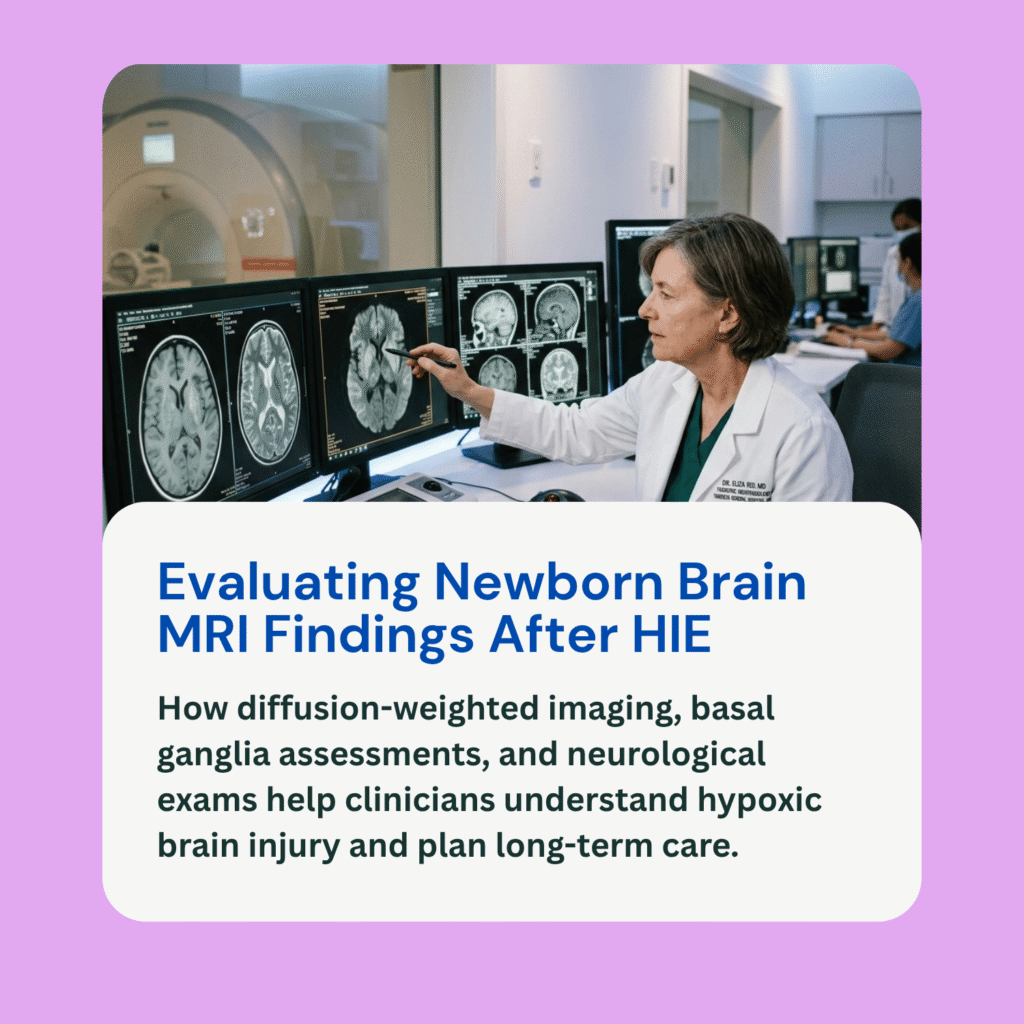
Cerebral palsy (CP) is a group of disorders that affect a person’s ability to move, maintain balance, and posture. It is the most common motor disability in childhood. CP is caused by abnormal brain development or damage to the developing brain that occurs before, during, or shortly after birth, affecting a child’s ability to control their muscles.
Because the injury occurs to the brain’s motor control centers, the muscles themselves are perfectly healthy, but the signals sent from the brain to the muscles are disrupted. CP is non-progressive, meaning the initial brain injury does not worsen over time. However, the physical symptoms can change as the child grows and faces new developmental demands.
Early Signs of Cerebral Palsy by Age Group
Cerebral palsy symptoms vary drastically based on the severity of the neurological injury and the specific region of the brain affected. Signs are rarely obvious at birth and typically unfold gradually as the infant misses typical physical milestones.
In Babies Under 6 Months
During the first half-year of life, symptoms usually present as structural abnormalities in muscle tone or posture. Watch for these indicators when handling or feeding your baby:
- Persistent Head Lag: When you lift your baby while they are lying on their back, their head flops backward instead of lifting with the torso.
- Abnormal Muscle Tone: The baby feels unusually stiff (hypertonia) or completely floppy and limp, like a ragdoll (hypotonia).
- Overextended Posture: When held in your arms, the baby consistently arches their back, neck, and hips away from you, as if pushing away.
- Scissoring Legs: When you pick the baby up under their arms, their legs stiffen and cross over each other like a pair of scissors.
In Babies Between 6 and 12 Months
As an infant enters the second half of their first year, they should begin exploring voluntary, coordinated movements. Signs of CP in this stage include:
- Asymmetrical Movement: The baby favors one side of their body. For example, they reach out, grasp objects, or wave with only their right hand while keeping their left hand fisted and held close to their chest.
- Difficulty Bringing Hands Together: The baby struggles to bring their hands to the midline of their body or to their mouth.
- Inability to Sit Independently: By 8 to 9 months, the baby cannot sit up without support or leans heavily to one side due to poor trunk control.
In Babies Over 12 Months
As toddlers cross into their second year, mobility challenges become more evident:
- Abnormal Crawling: The baby exhibits an asymmetrical or “lopsided” crawl, pushing off with one hand and leg while dragging the opposite side of their body behind them.
- Inability to Stand or Walk: The child does not attempt to stand, even when holding onto furniture for support, or walks on their tiptoes rather than flat feet.
Physical and Behavioral Red Flags
Beyond age-specific milestones, parents should observe general daily habits, feeding routines, and physical responses.
Feeding Failures and Swallowing Issues
Because chewing and swallowing require highly coordinated muscle movements in the face, mouth, and throat, feeding difficulties can be an early indicator of CP. Babies may struggle to latch, choke frequently during feedings, experience severe reflux, or have poor tongue control that causes excessive drooling long past the teething stage.
Persistent Fisting
It is entirely normal for a newborn to keep their hands closed in a tight fist. However, by the age of three to four months, an infant’s hands should open up naturally to touch surfaces and grasp toys. If a baby keeps their thumbs tucked tightly inside closed fists past four months of age, it may indicate spasticity in the upper extremities.
The Role of Primitive Reflexes in Early Detection
Infants are born with a set of involuntary survival responses controlled by the brainstem, known as primitive reflexes. Examples include the Moro reflex (the startle reflex) and the Asymmetrical Tonic Neck Reflex (ATNR), often called the “fencing posture,” where a baby turns their head to one side and automatically extends the arm on that same side while bending the opposite arm.
In typically developing babies, these involuntary reflexes naturally fade (“integrate”) within the first four to six months of life as the higher cerebral cortex matures and takes over conscious motor function. If these reflexes persist past six months, or if they are entirely absent at birth, it strongly suggests an underlying neurological or developmental disruption.
When to Consult a Pediatrician
It is vital to remember that missing a single developmental milestone on time does not automatically mean a child has cerebral palsy. Children develop at different rates. However, if your child displays multiple signs listed above—or if you notice a regression where they lose a physical ability they once had—it is time to schedule a dedicated developmental evaluation.
Early intervention is the single most powerful tool available for children with potential motor disabilities. Because an infant’s brain possesses an extraordinary amount of neuroplasticity, early physical and occupational therapy can guide the brain to build alternative neural pathways, minimizing long-term mobility limitations and helping your child maximize their physical potential.
Frequently Asked Questions (FAQ)
At what age are the first signs of cerebral palsy usually noticed?
The first signs of cerebral palsy are typically noticed by parents or pediatricians within the first 3 to 6 months of life, usually presenting as issues with head control, structural stiffness, or unusual floppiness. For milder cases, symptoms may not become completely obvious until the child fails to sit up or walk independently between 12 and 18 months.
Can a baby have mild cerebral palsy and still hit milestones?
Yes. A child with mild cerebral palsy may hit early milestones like rolling over or sitting up roughly on time, but they may perform these movements using unusual mechanics—such as using only one side of their body, displaying asymmetric posture, or walking exclusively on their tiptoes later in development.
What does a cerebral palsy cry sound like?
Some infants with severe cerebral palsy or underlying birth injuries exhibit a distinct, high-pitched, piercing cry that is difficult to soothe. This is often linked to neurological irritability, autonomic nervous system distress, or physical discomfort caused by sudden, involuntary muscle spasms.
Is missing a milestone a definitive sign of cerebral palsy?
No. Missing a milestone is not definitive proof of CP. Milestones represent broad developmental windows. A delay can be caused by various temporary factors or other unrelated developmental conditions. A formal diagnosis requires comprehensive clinical evaluations by a pediatric neurologist or developmental specialist.