
Can Lack of Oxygen During Birth Cause Brain Damage?
The birth of a child is a highly coordinated physiological event. For the baby to safely transition to the outside world, a continuous, uninterrupted supply of oxygenated blood must flow from the mother, through the placenta and umbilical cord, directly to the infant. If this vital supply line is restricted or severed during labor or delivery, the baby experiences a state known as hypoxia (low oxygen) or ischemia (restricted blood flow).
When a newborn suffers a prolonged lack of oxygen during birth, brain damage can occur. Understanding exactly how oxygen deprivation impacts a developing brain, how medical teams monitor for it, and what the long-term implications are can help families understand the clinical realities of a traumatic birth.
The Biology of Oxygen Deprivation and Brain Tissue
Brain cells, or neurons, are highly metabolically active and require a constant supply of oxygen and glucose to produce energy. Unlike other tissues in the body, such as muscle or skin, brain tissue has virtually no capacity to store oxygen. When the supply of oxygenated blood is restricted during delivery, the brain’s normal energy production halts almost immediately.
Without oxygen, brain cells cannot maintain their electrical gradients or regular cellular functions. This leads to an immediate buildup of fluid inside the cells, causing them to swell—a process known as cytotoxic edema. If oxygen is not restored within a critical window, these cells begin to break down and die. The areas of the brain that are growing most rapidly or are responsible for primary functions, like the basal ganglia and brainstem, are often the most vulnerable to this immediate energy failure.
The Two Stages of Neonatal Brain Injury
Medical research has revealed that brain damage from a lack of oxygen doesn’t happen all at once. Instead, it occurs in two distinct clinical phases:
The Primary Phase (Immediate Injury): This happens during the actual period of oxygen deprivation. Cells die due to a lack of energy, leading to a core area of tissue damage.
The Secondary Phase (Reperfusion Injury): This is a paradoxical phase that occurs after the baby is resuscitated and normal blood flow is restored. It typically begins six to 24 hours after birth.
During this secondary phase, the sudden return of oxygen triggers a cascade of inflammation, toxic chemical releases (such as glutamate), and free radical production. This biological chain reaction can cause a secondary wave of cell death that is sometimes more widespread than the initial injury. Managing this second phase is the primary focus of modern neonatal intensive care.
Clinical Causes of Intrapartum Hypoxia
A lack of oxygen during the birthing process can stem from several distinct mechanical or physiological complications. These are generally classified by where the disruption occurs in the maternal-fetal life support system:
- Umbilical Cord Complications: If the umbilical cord becomes compressed between the baby and the birth canal, wraps tightly around the neck (nuchal cord), or prolapses through the cervix ahead of the baby, blood flow is physically cut off.
- Placental Failure: Conditions like placental abruption (where the placenta detaches from the uterine wall prematurely) or placenta previa can instantly disrupt the exchange of oxygen between mother and child.
- Prolonged or Obstructed Labor: When labor is exceptionally long or the baby becomes physically stuck in the birth canal (such as in shoulder dystocia), the intense, continuous pressure of contractions compresses the baby’s chest and placenta, restricting normal blood circulation.
- Maternal Medical Conditions: Extreme maternal low blood pressure, severe preeclampsia, or uterine rupture can drastically lower the amount of oxygenated blood reaching the placenta.
How Medical Staff Identify Oxygen Deprivation During Labor
Because a baby cannot tell medical providers when they are struggling, teams rely on Electronic Fetal Monitoring (EFM) to track the fetal heart rate in real-time during labor. A baby who is tolerating contractions well will maintain a stable baseline heart rate with healthy “variability” (small, natural fluctuations up and down).
When a baby is deprived of oxygen, their heart rate pattern changes characteristically. Medical staff look for warning signs of fetal distress, which include:
- Late Decelerations: Drops in the baby’s heart rate that occur right after a uterine contraction ends, signaling that the placenta is failing to deliver enough oxygen during the stress of labor.
- Bradycardia: A persistently low fetal heart rate (under 110 beats per minute) that does not recover.
- Loss of Variability: A flatlined heart rate reading on the monitor, indicating that the baby’s central nervous system is becoming depressed due to oxygen lack.
If these patterns emerge, the accepted standard of medical care requires providers to act quickly—often by altering the mother’s position, administering oxygen, stopping labor-inducing drugs like Pitocin, or performing an expedited forceps, vacuum, or emergency C-section delivery.
Hypoxic-Ischemic Encephalopathy (HIE) Explained
When a newborn has suffered a confirmed lack of oxygen that results in visible neurological symptoms, doctors will assign the diagnosis of Hypoxic-Ischemic Encephalopathy (HIE). “Encephalopathy” simply means a temporary or permanent disorder of brain function.
HIE is graded clinically into three main categories based on the modified Sarnat staging system:
- Mild (Stage I HIE): Characterized by hyper-alertness, irritability, jitteriness, and normal muscle tone. This stage usually resolves within a few days with minimal long-term effects.
- Moderate (Stage II HIE): Symptoms include lethargy, hypotonia (floppiness), weak reflexes, and possible seizures. The outlook here is variable, requiring careful monitoring and immediate treatment to protect the brain.
- Severe (Stage III HIE): Marked by stupor or coma, a total absence of reflexes, frequent seizures, and irregular breathing. This stage carries a high risk of permanent neurological impairment or long-term disability.
Long-Term Consequences: Cerebral Palsy and Cognitive Impact
The specific long-term effects of an infant brain injury depend heavily on which areas of the brain were affected and the severity of the HIE.
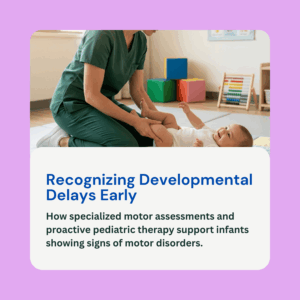
One of the most common long-term conditions linked directly to oxygen deprivation at birth is cerebral palsy. Cerebral palsy is a group of permanent disorders that affect a child’s movement, muscle tone, posture, and balance. It occurs when the motor control centers of the developing brain (such as the cerebellum or motor cortex) are permanently damaged during the hypoxic event. Children with cerebral palsy may experience stiffness (spasticity), involuntary movements, or difficulty walking and coordinating fine motor tasks.
Beyond motor dysfunction, significant oxygen deprivation can also lead to other developmental challenges that may not become fully visible until preschool or elementary school age. These can include:
- Cognitive impairments or learning disabilities
- Speech and language delays
- Sensory processing issues, including vision or hearing impairment
- Epilepsy or chronic seizure disorders
Because a child’s brain is highly adaptable (a trait known as neuroplasticity), early interventions like physical, occupational, and speech therapy can help the brain “rewire” itself around damaged areas, significantly improving a child’s functional capabilities over time.
The Window for Medical Intervention: Therapeutic Hypothermia
For decades, medical professionals could only offer supportive care to babies who suffered a lack of oxygen. However, modern neonatology utilizes a highly effective, evidence-based treatment called therapeutic hypothermia, or cooling therapy.
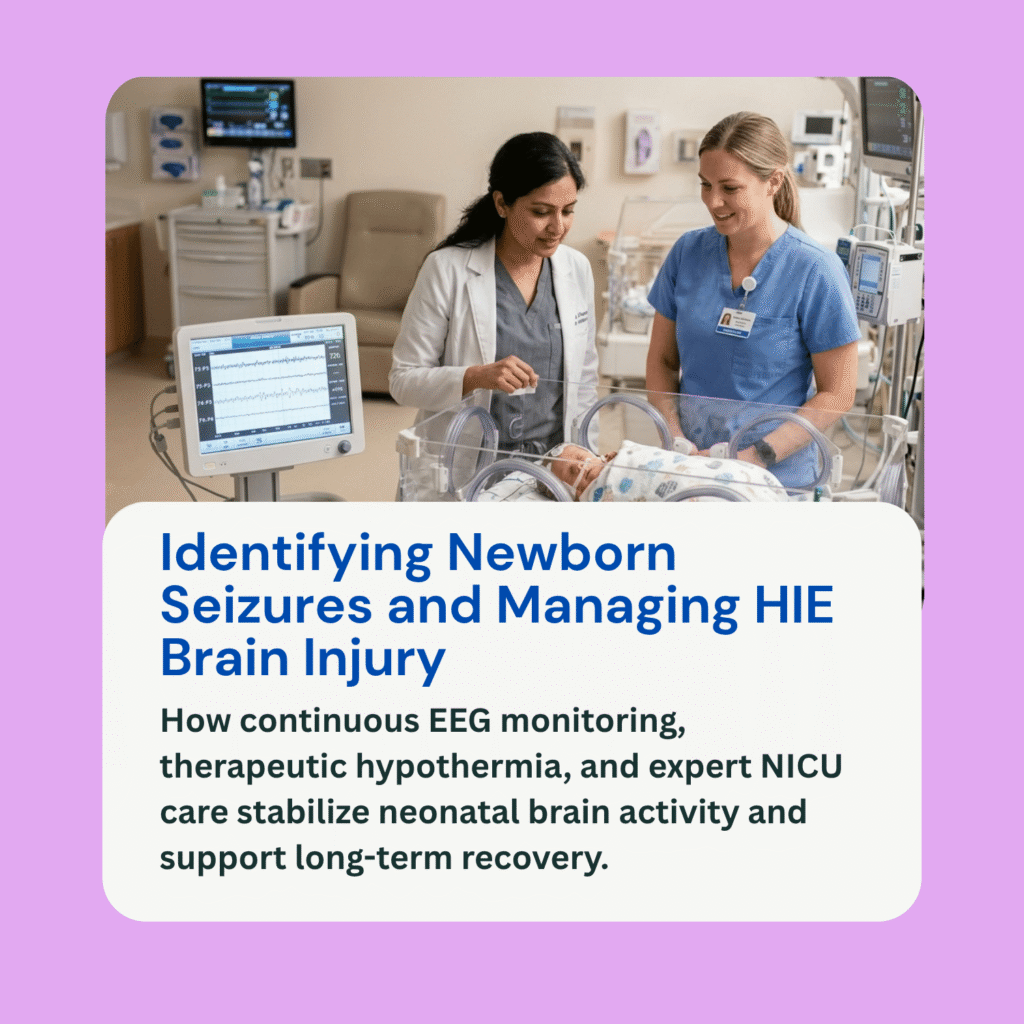
If a newborn meets specific criteria for moderate-to-severe HIE, they are placed on a special cooling blanket or fitted with a cooling cap within the first six hours of birth. The baby’s core body temperature is safely lowered to approximately 33.5°C (92.3°F) and kept there for exactly 72 hours before being slowly warmed back to normal temperature.
By cooling the brain, doctors can dramatically slow down cellular metabolism, reduce dangerous brain swelling, and interrupt the toxic biochemical cascade of the secondary phase of injury. Clinical trials have proven that therapeutic hypothermia significantly reduces the risk of death and major developmental disabilities, including cerebral palsy, in infants who have experienced birth asphyxia.
Building a Foundation of Support for Your Child
Discovering that your baby experienced oxygen deprivation during delivery can leave parents feeling overwhelmed, anxious, and uncertain about what the future holds. It is important to remember that every child’s brain is resilient, and an initial diagnosis of HIE does not completely dictate their future potential.
In the weeks and months following your departure from the Neonatal Intensive Care Unit (NICU), building a robust care team is the most effective step you can take. Working closely with pediatric neurologists, developmental pediatricians, and early intervention therapists ensures that any subtle developmental delays are caught early, giving your child access to targeted therapies when their brain is at its most adaptable.
Gaining a clear, unbiased understanding of the medical events that took place in the delivery room can give your family the confidence and clarity needed to navigate your child’s ongoing development, ensuring they have every resource necessary to thrive.