
What Is Birth Asphyxia? Causes, Symptoms, and the Path to Recovery
Childbirth is a complex biological process that requires precise synchronization between the mother’s body, the placenta, and the infant. While most deliveries proceed without major complications, certain emergencies require immediate, highly skilled medical intervention. One of the most critical situations that can arise in the delivery room is birth asphyxia, a condition where a newborn is deprived of adequate oxygen before, during, or immediately after birth. Understanding the mechanisms behind this condition, its warning signs, and its potential long-term effects is essential for families navigating the aftermath of a complicated delivery.
Defining Birth Asphyxia in Plain English
To understand birth asphyxia, it helps to break down what happens to an infant’s respiratory system during transition to the outside world. While inside the womb, a fetus does not use its lungs to breathe; instead, it relies entirely on the placenta and umbilical cord to deliver oxygenated blood from the mother. At the moment of birth, a rapid series of chemical and physical triggers prompts the baby to take their first breath, expanding the lungs and shifting the circulatory system. Birth asphyxia occurs when this transition is disrupted, and the baby cannot initiate or sustain normal breathing.
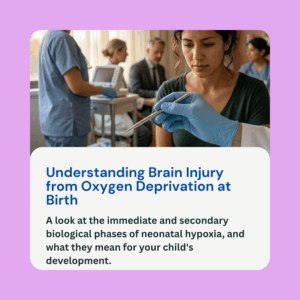
Medical professionals classify this condition as an acute hypoxic-ischemic event, meaning there is a severe mismatch between the baby’s demand for oxygen and the available supply. If the restriction occurs for more than a few minutes, the baby’s internal organs, particularly the brain, begin to suffer from a lack of cellular fuel. While the human body has temporary defense mechanisms to divert blood flow to vital organs during stress, these reserves are quickly depleted during a prolonged delivery crisis.
The Physiological Impact of Oxygen Deprivation
When a newborn experiences a lack of oxygen, the body undergoes a predictable sequence of physiological changes. Initially, the infant’s heart rate may spike as it attempts to pump the remaining oxygenated blood to the brain and heart. If the deprivation continues, the heart rate drops significantly, a condition known as bradycardia. Without oxygen, cells can no longer produce energy efficiently through normal pathways, forcing them to switch to anaerobic metabolism, which leads to a dangerous buildup of lactic acid in the blood.
This metabolic shift can result in systemic acidosis, which further damages delicate tissues and compromises organ function. The brain is uniquely vulnerable to this energy failure because its cells require a constant, uninterrupted supply of glucose and oxygen to survive. If blood flow is not restored promptly, a cascade of cellular inflammation and damage begins, which can lead to permanent structural changes in the central nervous system.
Common Causes During Labor and Delivery
Birth asphyxia can stem from a variety of clinical factors, many of which involve disruptions to the maternal-fetal life support system. Umbilical cord complications are among the most frequent causes observed in the delivery room. If the cord becomes wrapped tightly around the baby’s neck (nuchal cord), develops a true knot, or prolapses into the birth canal ahead of the baby, the physical compression can instantly choke off the supply of oxygenated blood.
Other primary causes include placental issues, such as a placental abruption, where the placenta prematurely separates from the uterine wall before delivery, halting all oxygen transfer. Maternal conditions can also play a major role; severe pregnancy-induced hypertension or preeclampsia can restrict blood flow through the uterine arteries long before labor begins. Additionally, mechanical difficulties during delivery, such as a prolonged second stage of labor or shoulder dystocia, can cause severe chest compression that physically prevents the infant from expanding their lungs after the head emerges.
Recognizing the Immediate Warning Signs
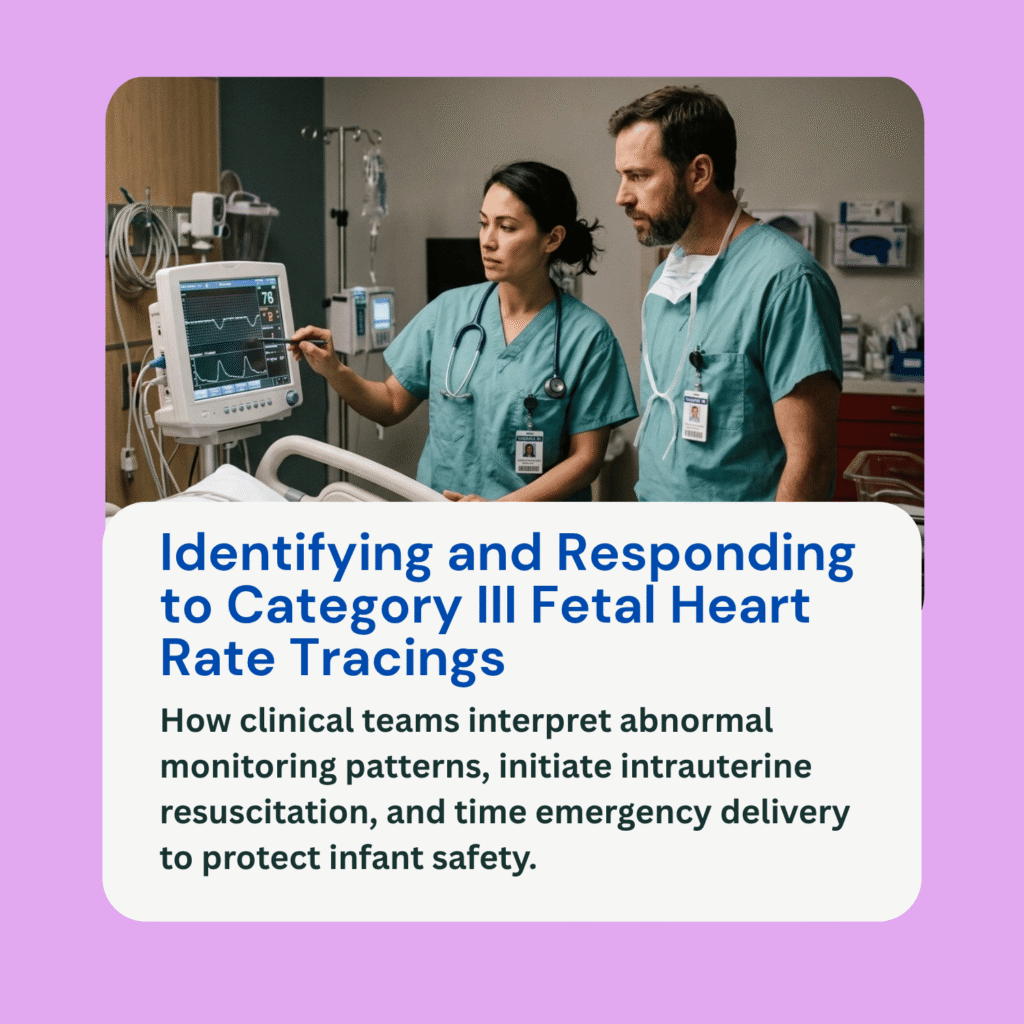
In many cases, the warning signs of potential asphyxia appear on the electronic fetal monitor before the baby is actually born. Fetal distress is often signaled by late heart rate decelerations, a loss of normal heart rate variability, or a persistently low baseline heart rate. These patterns indicate to the medical team that the baby is struggling to recover from the natural stress of uterine contractions and may require an expedited delivery, such as an emergency Cesarean section.
Immediately after birth, the clinical signs of asphyxia are evaluated using the Apgar scoring system, which measures a newborn’s heart rate, respiratory effort, muscle tone, reflex irritability, and color at one and five minutes. A baby who has suffered significant oxygen deprivation will typically present with a very low Apgar score, often below three. These infants are frequently born limp, pale or blue, completely silent, and lacking the normal spontaneous movements or crying expected of a healthy newborn.
The Critical Role of Therapeutic Hypothermia
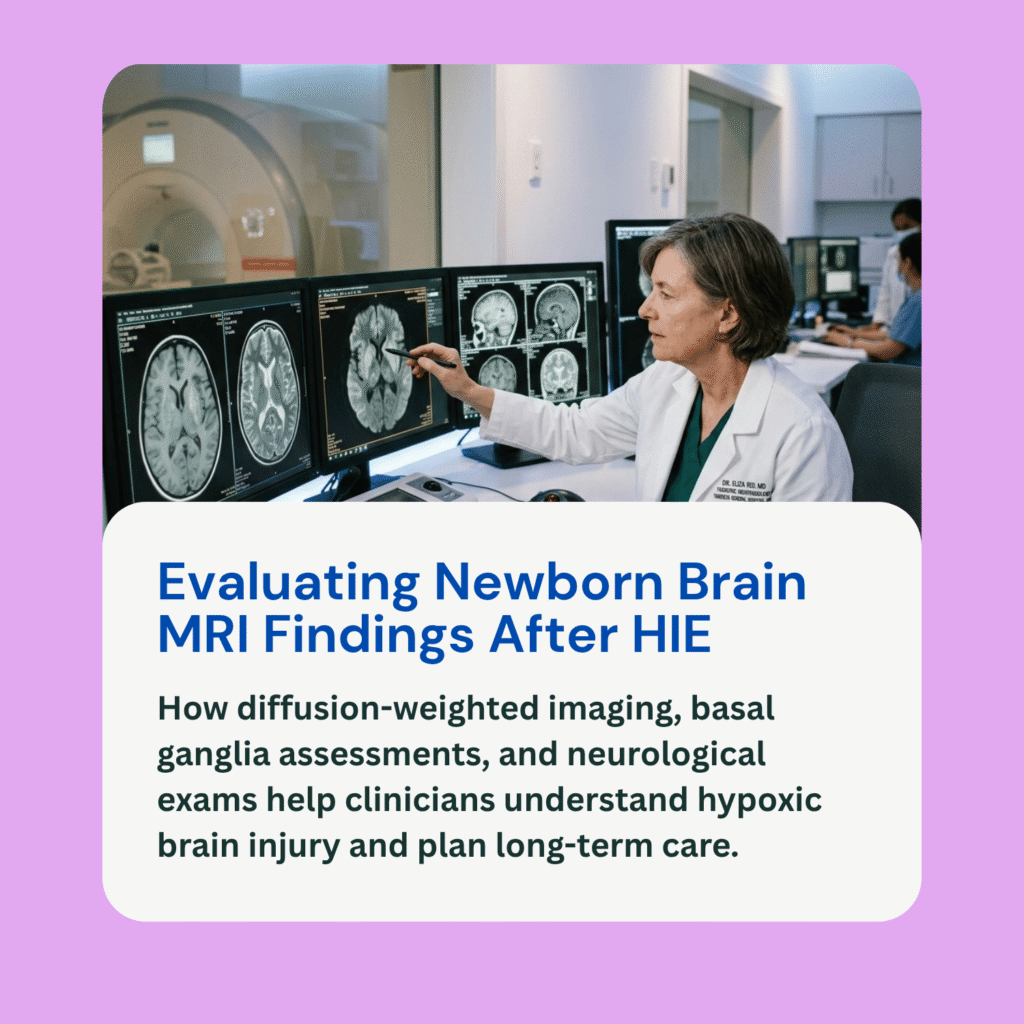
When a newborn shows signs of moderate to severe brain dysfunction following oxygen deprivation—a condition known as Hypoxic-Ischemic Encephalopathy (HIE)—immediate specialized care is required. The current clinical standard of care for stabilizing these infants is therapeutic hypothermia, commonly referred to as cooling therapy. This treatment involves carefully lowering the baby’s core body temperature to approximately 33.5°C using a specialized cooling blanket or head cap.
The cooling process must be initiated within the first six hours of life and maintained continuously for 72 hours. By lowering the brain’s temperature, medical providers can slow down the cellular metabolic rate, reduce harmful inflammation, and limit the secondary wave of cell death that occurs after blood flow is restored. While cooling therapy is a highly technical and intensive intervention, clinical studies have shown that it significantly improves outcomes and reduces the severity of permanent neurological injuries for many infants.
Long-Term Neurological and Physical Outcomes
The long-term effects of birth asphyxia vary widely depending on the duration of the oxygen deprivation and how quickly effective resuscitation was established. Mild cases may resolve completely with appropriate neonatal care, leaving no permanent marks on the child’s development. However, severe or prolonged episodes can result in permanent neurological conditions that shape the child’s life and require ongoing medical and therapeutic support.
Cerebral palsy is one of the most common long-term diagnoses associated with severe birth asphyxia, resulting from damage to the motor control centers of the developing brain. Children with cerebral palsy may face lifelong challenges with muscle tone, coordination, and physical mobility. Other potential outcomes include developmental delays, cognitive impairments, speech disorders, and epilepsy. Because the brain is highly adaptable during early childhood, many of these challenges do not manifest fully until the child reaches major developmental milestones.
The Importance of Early Medical Intervention
For children who have experienced birth asphyxia, the period following discharge from the Neonatal Intensive Care Unit (NICU) is critical for maximizing recovery. Early intervention programs, which incorporate pediatric neurology, physical therapy, occupational therapy, and speech therapy, play a foundational role in helping the child build new neural pathways. These specialized therapies focus on encouraging motor development, improving sensory processing, and supporting communication skills during the brain’s most plastic stage of growth.
Consistent tracking of developmental milestones is essential for identifying subtle challenges early, allowing families to adjust therapy plans as the child grows. While managing a complex care schedule can be challenging, a structured, multidisciplinary approach ensures that the child receives the targeted stimulation necessary to reach their full physical and cognitive potential.
Navigating Next Steps for Your Family
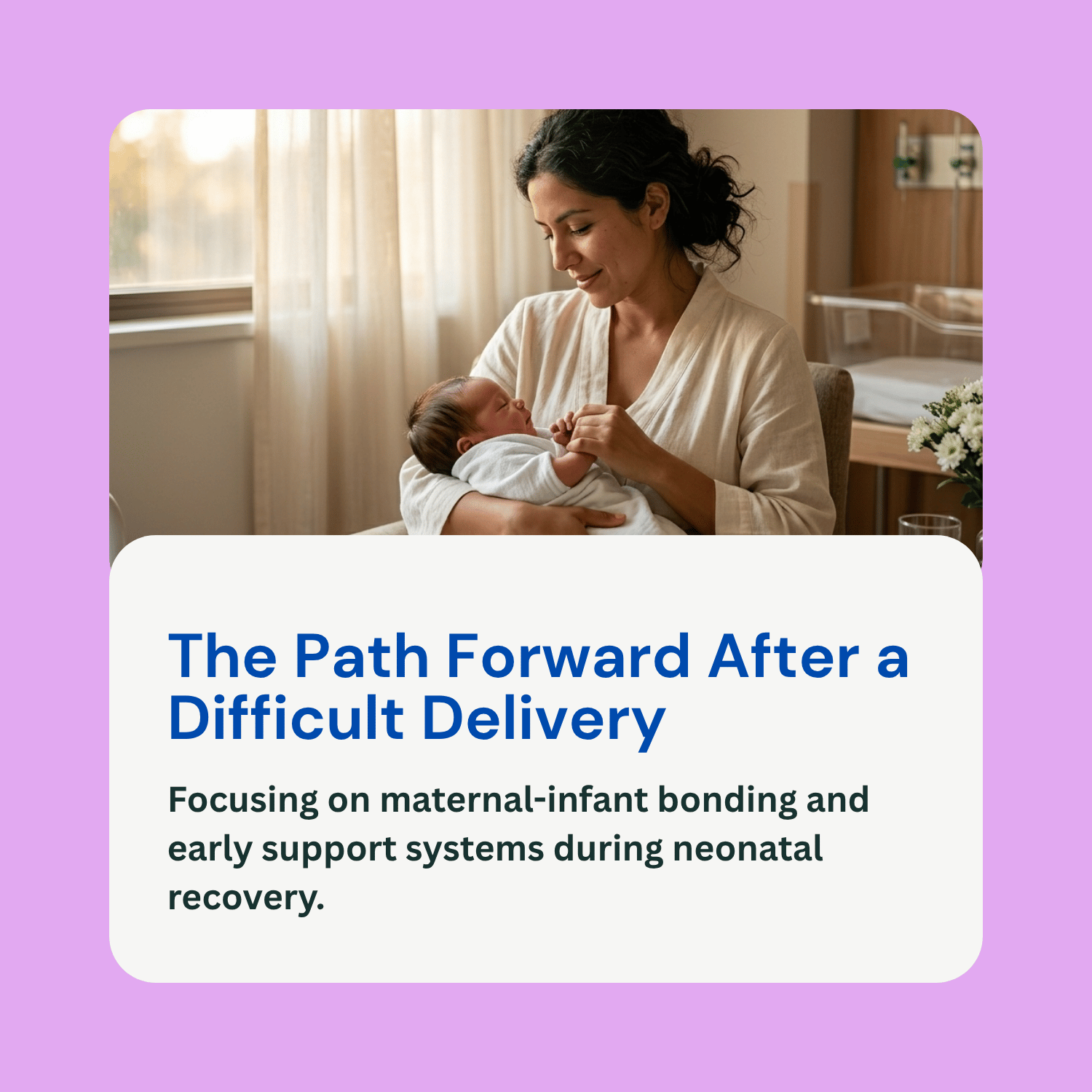
Processing a birth experience that involves an unexpected medical crisis can be deeply overwhelming for parents. It is entirely natural to feel a wide range of emotions, from anxiety about the future to a desire for clear answers regarding the specific sequence of events in the delivery room. Reviewing the complete neonatal medical records with trusted pediatric specialists can help clarify the clinical timeline and provide your family with a clearer understanding of your child’s ongoing health needs.
As you look toward the future, focusing on building a strong network of medical professionals, developmental therapists, and family support systems is the most effective way to care for your child. Understanding the medical realities of birth asphyxia allows you to advocate confidently for the resources, early interventions, and specialized care your child deserves on their unique journey toward healing and growth. For more detailed information on managing complications from delivery, you can explore our comprehensive page.