

What Causes Cerebral Palsy at Birth? Understanding Medical Mistakes and Risk Factors
A diagnosis of cerebral palsy is a life-altering event for any family. In the months following the diagnosis, parents often find themselves searching for answers regarding how a seemingly healthy pregnancy could result in a permanent disability. While cerebral palsy is a broad term for a group of disorders that affect movement, muscle tone, and posture, the origins of the condition are often rooted in the window of time surrounding labor and delivery. Understanding the specific cerebral palsy birth injury causes is the first step toward finding clarity and determining if your child’s condition was preventable.
Cerebral palsy birth injury causes are done by damage to the developing brain, specifically the parts of the brain that control motor function. This damage can occur during pregnancy, but a significant percentage of cases are the result of injuries sustained during the birthing process itself. When brain damage occurs during labor, it is often due to a lack of oxygen or physical trauma. While some medical complications are truly unavoidable, many cases of cerebral palsy are the direct result of medical negligence or a failure to follow the accepted standard of care in the delivery room.
This comprehensive guide will explore the various factors that lead to brain damage during birth. We will examine the difference between natural risk factors and medical errors. By the end of this article, you will have a clearer understanding of why these injuries occur and whether your family has grounds to seek legal accountability for a preventable medical mistake.
The Role of Oxygen Deprivation (Hypoxia and Asphyxia)
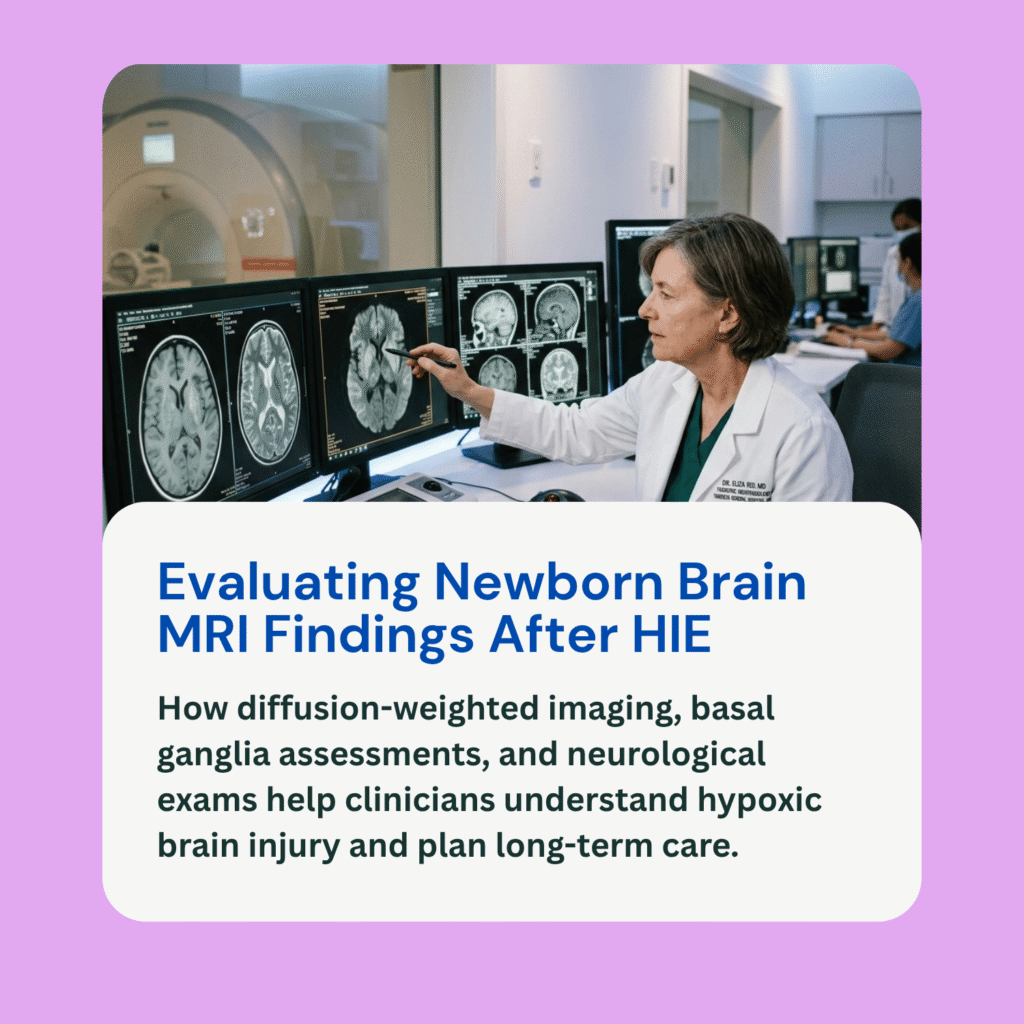
Oxygen deprivation is perhaps the most significant and common of all cerebral palsy birth injury causes. The human brain requires a constant, uninterrupted supply of oxygen to function and develop correctly. During labor, the baby relies entirely on the mother and the placenta for this oxygen. If that supply is restricted for even a short period, brain cells can begin to die, leading to a condition known as Hypoxic-Ischemic Encephalopathy (HIE).
HIE is a leading precursor to cerebral palsy. When the brain is starved of oxygen, the damage often occurs in the basal ganglia or the motor cortex, which are the areas responsible for controlling movement. If a baby is born unresponsive, requires immediate resuscitation, or undergoes “cooling therapy” in the NICU, it is a definitive sign that an oxygen deprivation event occurred. Medical teams are trained specifically to monitor for signs of hypoxia and must act immediately to restore oxygen flow or deliver the baby to prevent permanent neurological damage.
Failure to react to oxygen deprivation is a hallmark of medical malpractice. Many birth injury lawsuits revolve around the fact that the medical team had ample warning that the baby was losing oxygen but chose a “wait and see” approach instead of taking decisive action. When a baby’s oxygen supply is compromised, every second that passes increases the likelihood of a permanent disability like cerebral palsy.
Delayed Emergency C-Section: A Failure of Timing
One of the most frequent medical mistakes leading to cerebral palsy is the failure to perform a timely emergency Caesarean section. While many mothers intend to have a vaginal delivery, complications can arise that make a vaginal birth dangerous for the child. In these moments, a C-section is not just a secondary option but a life-saving necessity. When doctors delay the decision to operate, they leave the baby in a hostile environment where brain damage is likely to occur.
The medical standard for an emergency C-section is often defined by the “30-minute rule,” which suggests that the baby should be delivered within 30 minutes of the decision to operate. However, in many negligence cases, we see delays that stretch into several hours. These delays are often caused by understaffing, a lack of available operating rooms, or a physician’s failure to recognize the urgency of the situation. A delay of even 15 minutes past the point of safety can be the difference between a healthy child and a child who will require lifelong care for cerebral palsy.
If your labor was prolonged and you were eventually rushed to an emergency C-section after hours of “failure to progress,” it is possible that the delay caused your child’s injury. Attorneys and medical experts review the hospital’s timeline to see exactly when the “red flags” appeared and why the surgical intervention was not initiated sooner. Timely intervention is a core requirement of obstetric care.
Misuse of Forceps and Vacuum Extractors
Physical trauma to the head is another major cause of cerebral palsy that occurs during the birthing process. This trauma is often the result of “instrument-assisted delivery,” where doctors use forceps or vacuum extractors to pull the baby through the birth canal. While these tools can be helpful in specific circumstances, they carry a high risk of causing intracranial hemorrhages or brain bleeds if they are misused.
Forceps are metal instruments shaped like large spoons that are placed around the baby’s head. If they are applied with too much pressure or if the doctor pulls too forcefully, they can crush the delicate skull or cause a brain bleed. Similarly, a vacuum extractor uses a suction cup attached to the baby’s scalp. If the suction is too high or if the cup is placed incorrectly, it can pull the scalp away from the skull, leading to a subgaleal hemorrhage. These types of brain bleeds can cause permanent damage to the motor centers of the brain, resulting in cerebral palsy.
Many experts argue that the use of these tools has become a dangerous shortcut in modern obstetrics. In many situations, an emergency C-section would be a much safer alternative to an instrument-assisted delivery. If your doctor used these tools and your baby was born with significant scalp swelling, bruising, or was later diagnosed with a brain bleed, it is a strong indicator of medical negligence.
Failure to Monitor and Respond to Fetal Distress
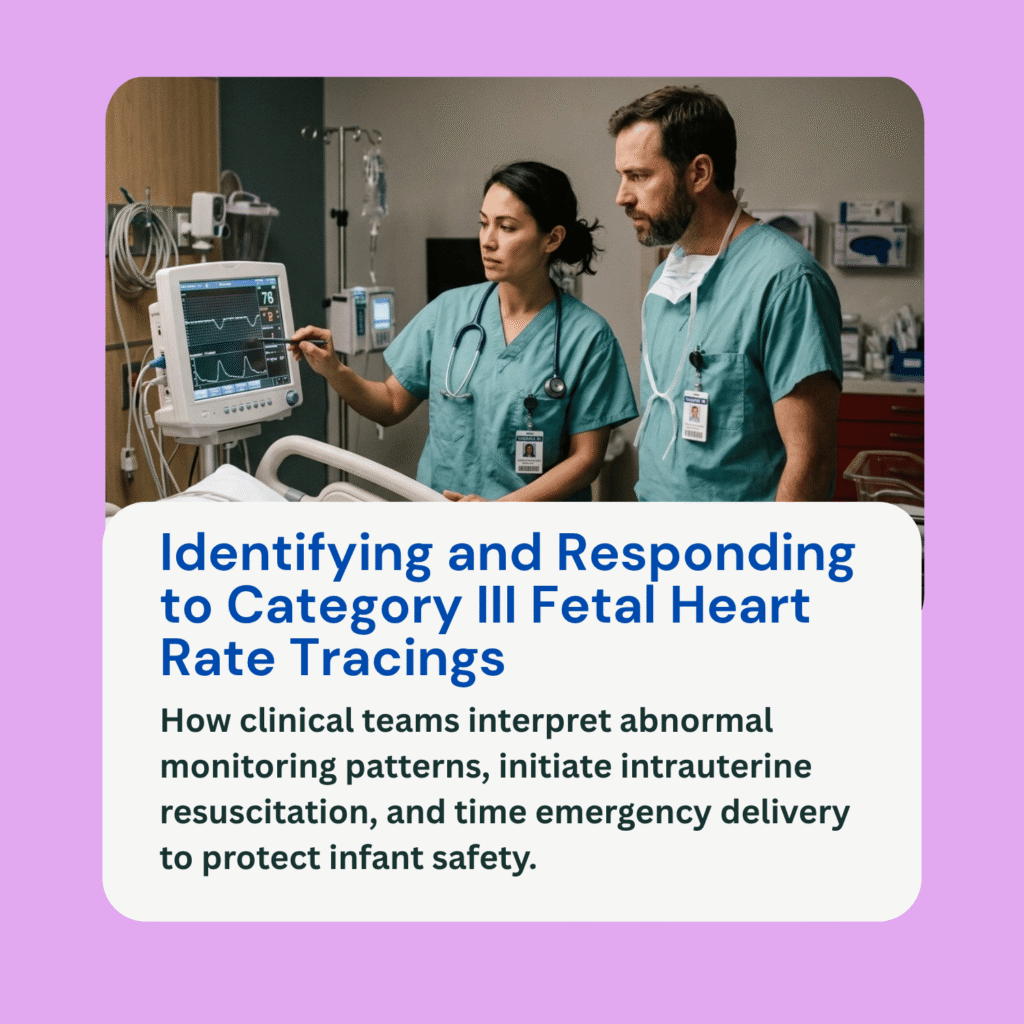
During labor, the medical team uses electronic fetal monitoring to track the baby’s heart rate and the mother’s contractions. This monitor acts as the baby’s only lifeline and way to communicate distress. A healthy baby will have a heart rate that fluctuates in a specific pattern. When the heart rate drops (decelerations) or stays flat (lack of variability), it means the baby is in distress and is likely losing oxygen.
Medical negligence often occurs when nurses or doctors fail to monitor these heart rate strips correctly. In some cases, a nurse might leave the room for an extended period, missing critical warning signs. In other cases, the medical team may misinterpret a “Category II” or “Category III” strip, believing the baby is fine when they are actually in crisis. Failure to monitor fetal distress is a direct violation of the standard of care expected in any New York hospital.
When a lawyer investigates a cerebral palsy case, the fetal heart rate strips are the most important piece of evidence. These strips provide a minute by minute account of how the baby was doing during labor. If the strips show that the baby was struggling for hours without any intervention from the staff, it creates a very strong case for medical malpractice. The monitor provides the data, but the humans in the room have the responsibility to act on that data.
Infections and Maternal Health Complications
Not all cerebral palsy birth injury causes are related to the mechanics of delivery. Sometimes, brain damage is caused by infections that are passed from the mother to the baby during labor. Infections like Group B Strep, chorioamnionitis, or even urinary tract infections can cause significant inflammation in the baby’s brain. This inflammation can lead to the death of brain cells and subsequent cerebral palsy.
Doctors have a responsibility to screen for these infections and treat them with antibiotics before or during labor. If a mother has a fever or a high heart rate during labor, these are signs of an infection that must be addressed immediately. When a medical team fails to recognize the signs of maternal infection, they allow the infection to attack the baby’s developing nervous system.
While the infection itself may be a natural occurrence, the failure to diagnose and treat it is a medical error. A proactive medical team can almost always prevent an infection from causing permanent brain damage. If your child’s cerebral palsy was linked to an infection that occurred during birth, a legal review can determine if the doctors missed the opportunity to intervene with life saving antibiotics.
Distinguishing Between Unavoidable Risks and Preventable Errors
It is important for parents to understand that not every case of cerebral palsy is the result of a medical mistake. Some cases are caused by genetic mutations, placental issues that occurred early in pregnancy, or other factors that were truly beyond the control of the medical team. However, a significant number of families are told their child’s condition was “unavoidable” simply because the hospital is trying to protect itself from liability.
Preventable errors are defined by a deviation from the “standard of care.” This means that another reasonably competent doctor, faced with the same situation, would have made a different and safer choice. For example, a reasonably competent doctor would not ignore a fetal heart rate deceleration for three hours. A reasonably competent doctor would not use excessive force with a vacuum extractor when the baby is not descending.
Distinguishing between these two categories requires a deep dive into the medical records by both legal and medical experts. You should not take the hospital’s word at face value. If you feel in your gut that something went wrong or that you were not listened to during labor, you have the right to seek an independent investigation into the true cause of your child’s condition.
The Long-Term Consequences of a Preventable Birth Injury
When a child is diagnosed with cerebral palsy due to a medical mistake, the consequences are lifelong. Cerebral palsy is not a condition that goes away. It requires constant management and support. This places an immense emotional and financial burden on the family. A child with cerebral palsy may face challenges including:
- Mobility Issues: Many children will require wheelchairs, walkers, or braces to navigate their world.
- Communication Difficulties: Speech therapy and communication devices are often necessary for children with non-verbal cerebral palsy.
- Cognitive Delays: While many children with CP have normal intelligence, others may suffer from learning disabilities due to the extent of the brain damage.
- Chronic Pain: Muscle spasticity can be incredibly painful and may require surgeries or medications to manage.
A birth injury lawsuit is not just about finding fault. It is about ensuring that your child has the financial resources to pay for the best possible care. This includes specialized schooling, 24-hour nursing care if needed, and the most advanced medical technology available. By identifying the cerebral palsy birth injury causes in your specific case, you can hold the responsible parties accountable and secure your child’s future.
Frequently Asked Questions
1. How do I know if my child’s cerebral palsy was caused by a medical mistake?
The only way to know for sure is to have your medical records reviewed by a team of experts. However, common signs of a medical mistake include a long delay in performing a C-section, the use of forceps or a vacuum, a low Apgar score, or the baby needing to be resuscitated or cooled at birth. If any of these occurred, there is a higher probability that the condition was preventable.
2. Can cerebral palsy be diagnosed immediately at birth?
Cerebral palsy is rarely diagnosed the moment a baby is born. Instead, a baby may be diagnosed with HIE or neonatal encephalopathy first. The actual diagnosis of cerebral palsy usually comes later, between the ages of 12 and 24 months, as the child begins to miss developmental milestones like sitting up, crawling, or walking.
3. What is the most common cause of cerebral palsy during delivery?
Oxygen deprivation, also known as birth asphyxia, is considered the most common cause during the delivery process. This can happen due to problems with the umbilical cord, placental abruption, or the baby being stuck in the birth canal for too long. If the medical team does not act quickly to resolve the oxygen issue, permanent brain damage occurs.
4. Is it possible to sue for cerebral palsy if the injury happened years ago?
Yes. In New York, there is a “tolling” provision for minors that allows families to file a lawsuit for a birth injury until the child is ten years old. This is important because it often takes several years for the full extent of a child’s disability to become clear. However, it is always better to start the process as early as possible while evidence is fresh.
5. What kind of compensation can be recovered in a cerebral palsy lawsuit?
A successful lawsuit can recover “economic damages” and “non-economic damages.” Economic damages cover the actual costs of medical care, therapy, specialized equipment, and lost future earning capacity for the child. Non-economic damages cover the child’s pain and suffering and the loss of enjoyment of life.
6. Will filing a lawsuit affect the medical care my child receives?
Filing a lawsuit against a hospital or a specific doctor will not prevent your child from receiving care at other facilities. In fact, the compensation from a successful lawsuit often allows parents to move their child’s care to top-tier specialized centers that they previously could not afford. Your child’s health and safety remain the primary focus.
7. What is HIE and how does it relate to cerebral palsy?
HIE stands for Hypoxic-Ischemic Encephalopathy. It is a type of brain dysfunction that occurs when the brain does not receive enough oxygen or blood flow. While not all babies with HIE develop cerebral palsy, it is one of the most significant risk factors and precursors for the condition.
Taking the Next Steps Toward Accountability
If you suspect that your child’s cerebral palsy was caused by a birth injury, you have every right to seek the truth. The medical community often hides behind complex jargon to avoid admitting fault, but you deserve clear and honest answers. Taking action is not just about the legal process; it is about advocating for your child and ensuring they have every advantage in life despite their diagnosis.
Your first step should be to gather all available medical records from your pregnancy, labor, and the child’s stay in the NICU. These documents are the foundation of any investigation into cerebral palsy birth injury causes. Once you have these records, you should consult with a legal team that specializes specifically in birth injuries and medical malpractice in New York. They can provide the resources and medical experts necessary to uncover the facts.
By speaking with a specialist, you can gain a better understanding of the timelines involved and the potential for a claim. Do not let the complexity of the medical system deter you from seeking justice for your child.