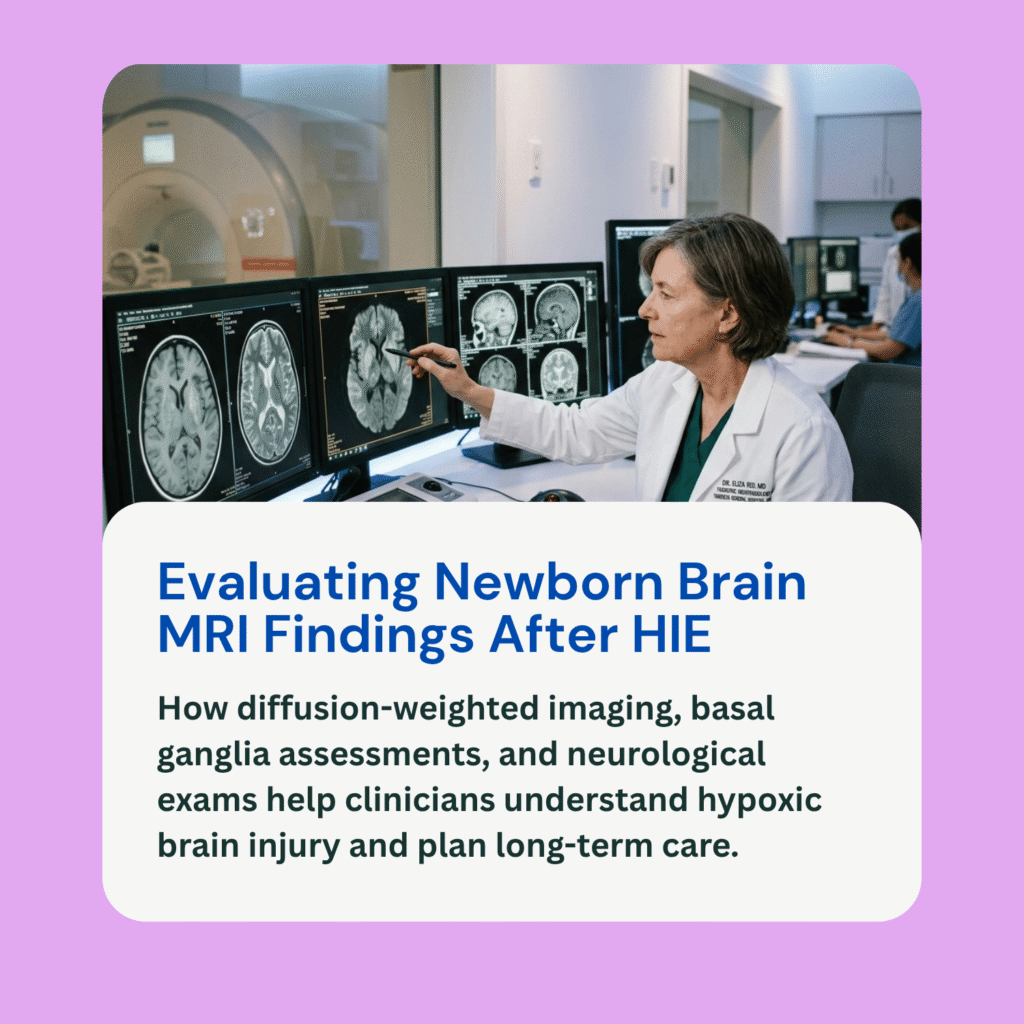


When a baby is born, every coo, stretch, or smile is a milestone. But what happens when something doesn’t seem right? If your baby isn’t developing like other infants, it’s not just a phase—it could be an early sign of cerebral palsy (CP), one of the most serious and life-altering birth injuries.
What Is Cerebral Palsy?
Cerebral palsy is a lifelong neurological disorder caused by brain damage or abnormal brain development. It affects muscle control, posture, movement, and balance. Many cases are congenital, but some are the tragic result of preventable birth injuries caused by medical negligence. Learn more about oxygen deprivation at birth and CP.
📚 According to the CDC, cerebral palsy is the most common motor disability among children in the United States.
Key Early Warning Signs of Cerebral Palsy
These symptoms may appear during infancy or early toddler years:
1. Developmental Milestone Delays
- Not holding head up by 2 months
- Not rolling over by 6 months
- Trouble sitting or crawling
- Delays in walking or speech development
2. Abnormal Muscle Tone or Posture
- Floppy limbs (hypotonia) or stiffness (hypertonia)
- Legs that cross like scissors when lifted
- Arched back or rigid neck when being held
3. Unusual Movement Patterns
- Favoring one side of the body
- Poor coordination
- Involuntary movements or tremors
4. Feeding and Swallowing Challenges
- Difficulty nursing or sucking
- Gagging, choking, or drooling excessively
- Trouble gaining weight
5. Behavioral or Sensory Symptoms
- Lack of responsiveness
- Vision or hearing problems
- Frequent crying or irritability
Early intervention can make a major difference in outcomes for children with CP. Don’t delay if you notice any of these signs.
Common Causes of Cerebral Palsy From Birth Injuries
Some of the most devastating cases of CP are linked to:
- Oxygen deprivation during labor (hypoxic-ischemic encephalopathy)
- Untreated maternal infections
- Misuse of forceps or vacuum extractors
- Delayed C-section
- Fetal distress not properly monitored
These are not “just bad luck”—they are medical mistakes, and they may qualify as obstetric malpractice.
Diagnosis: How Cerebral Palsy Is Confirmed
Doctors use a combination of:
- Developmental screening tests
- Brain imaging (MRI, CT, or ultrasound)
- Reflex and motor function assessments
- Genetic and metabolic testing (to rule out other conditions)
A diagnosis may not be given immediately, but if your child is missing milestones, insist on testing and documentation.
Treatment Options for Children with CP
While CP has no cure, interventions can significantly improve your child’s quality of life:
- Physical therapy for mobility
- Occupational therapy for daily skills
- Speech-language therapy for feeding and communication
- Adaptive equipment like walkers, braces, and communication tools
- Surgery or muscle relaxants in severe spastic cases
Could Medical Negligence Be the Cause of Your Child’s CP?
If your child’s CP diagnosis followed a difficult or traumatic birth, there’s a chance it could have been prevented. Medical providers are expected to:
- Monitor fetal heart rate
- Act quickly when complications arise
- Follow accepted delivery procedures
If they fail in their duty, you may be entitled to compensation for:
- Medical bills
- Therapy and assistive devices
- In-home care
- Pain and suffering
- Loss of future earning potential
See how Merson Law has secured justice in cerebral palsy lawsuits.
When to Contact a Birth Injury Lawyer in New York
If your child is showing signs of CP and you suspect something went wrong during labor or delivery, don’t wait. A skilled birth injury attorney can:
- Analyze your medical records
- Work with top pediatric and OB-GYN experts
- Identify errors or negligence
- Help you file a lawsuit within New York’s statute of limitations
💡 You only get one shot at justice—make it count.
📞 Schedule your free consultation with a birth injury attorney today.
Frequently Asked Questions (FAQ)
How soon can CP be diagnosed?
Some forms of CP are diagnosed in infancy, while others may take years. If your baby isn’t meeting milestones, request an early evaluation.
Can cerebral palsy improve over time?
It is a lifelong condition, but therapy and treatment can help many children live full, active lives.
What if I signed hospital paperwork—can I still sue?
Yes. Signing routine medical forms does not waive your child’s right to pursue compensation for malpractice.