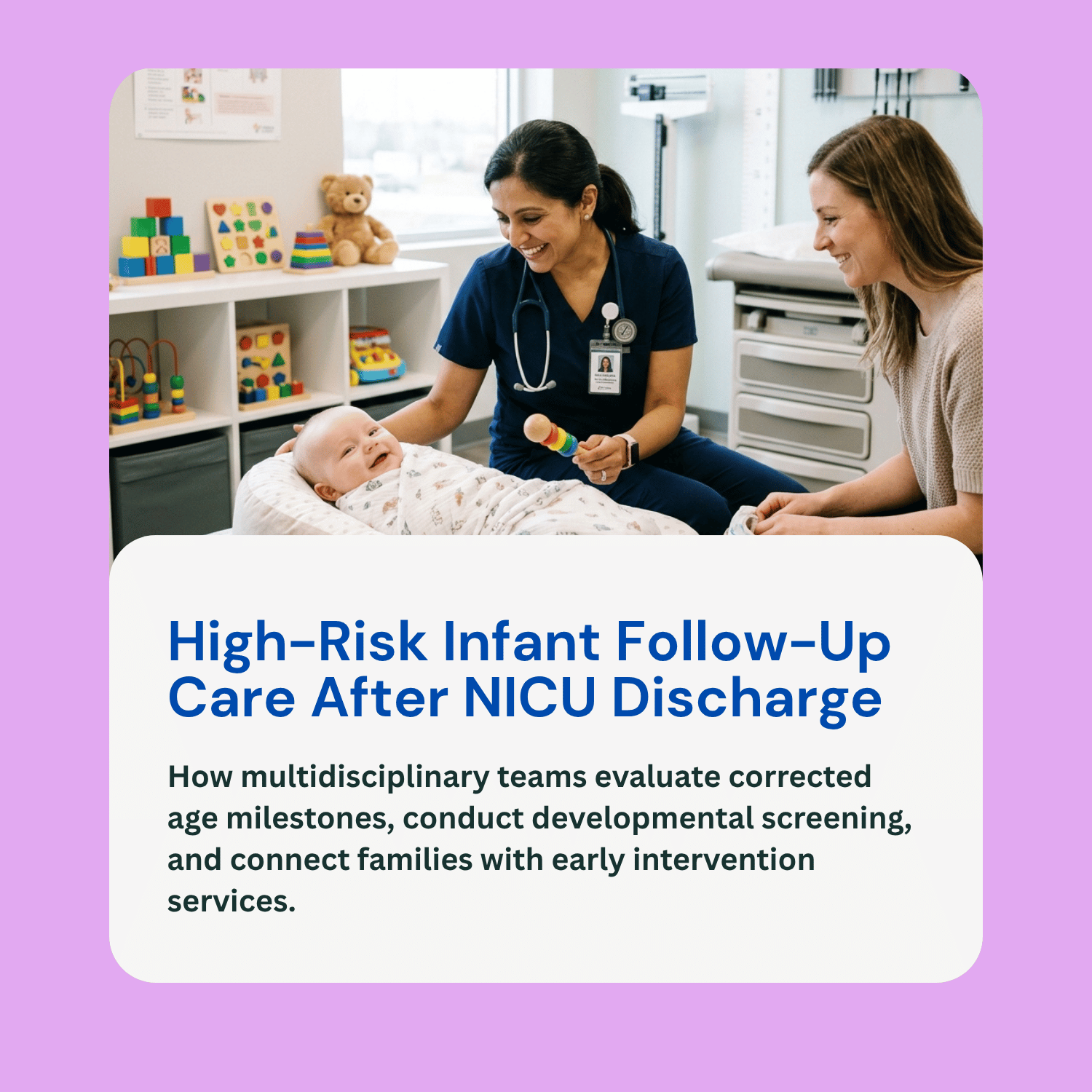

What Is a High-Risk Infant Follow-Up Clinic After NICU Discharge?
A successful Neonatal Intensive Care Unit (NICU) discharge is a momentous milestone for families, following weeks or months of intensive medical care. For infants born prematurely, those who required therapeutic hypothermia for Hypoxic-Ischemic Encephalopathy (HIE), or those who experienced complex birth complications, leaving the hospital marks the beginning of a dedicated outpatient surveillance phase.
This ongoing developmental care is centered in a high risk infant follow up clinic. Unlike the acute inpatient NICU environment, a high-risk follow-up clinic is an outpatient program designed for structured surveillance, developmental tracking, and family support. These specialized clinics provide a vital bridge between intensive hospital care and long-term community pediatric care, helping to identify subtle developmental variations early so that timely intervention services can be put in place. This educational guide explains how multidisciplinary follow-up teams operate, the concept of corrected age, how developmental evaluations are conducted, and how follow-up care differs from acute newborn assessments.
The Multidisciplinary Team and Care Approach
A high-risk infant follow-up clinic brings together a specialized team of pediatric experts under one roof, reducing the burden on parents to coordinate multiple separate appointments. Care teams typically include:
Developmental Pediatricians and Neonatologists: Physicians who oversee the infant’s overall neurological trajectory, medical stability, and long-term developmental progress.
Pediatric Nurse Practitioners (NPs): Advanced practice nurses who perform physical assessments, conduct developmental screenings, and serve as primary contacts for family support and education.
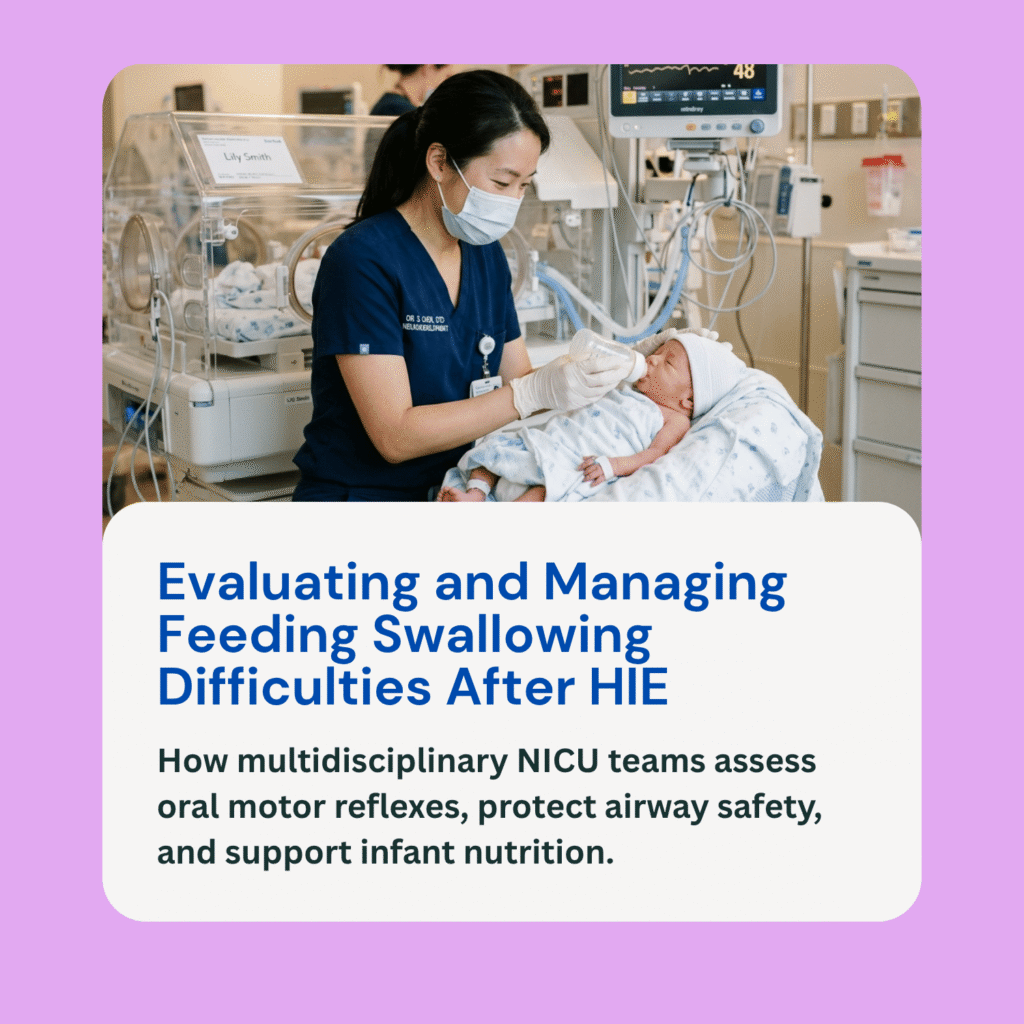
Physical and Occupational Therapists (PT/OT): Physical therapists evaluate gross motor development, muscle tone, and postural control. Occupational therapists focus on fine motor skills, sensory processing, and oral-motor coordination needed for safe feeding.
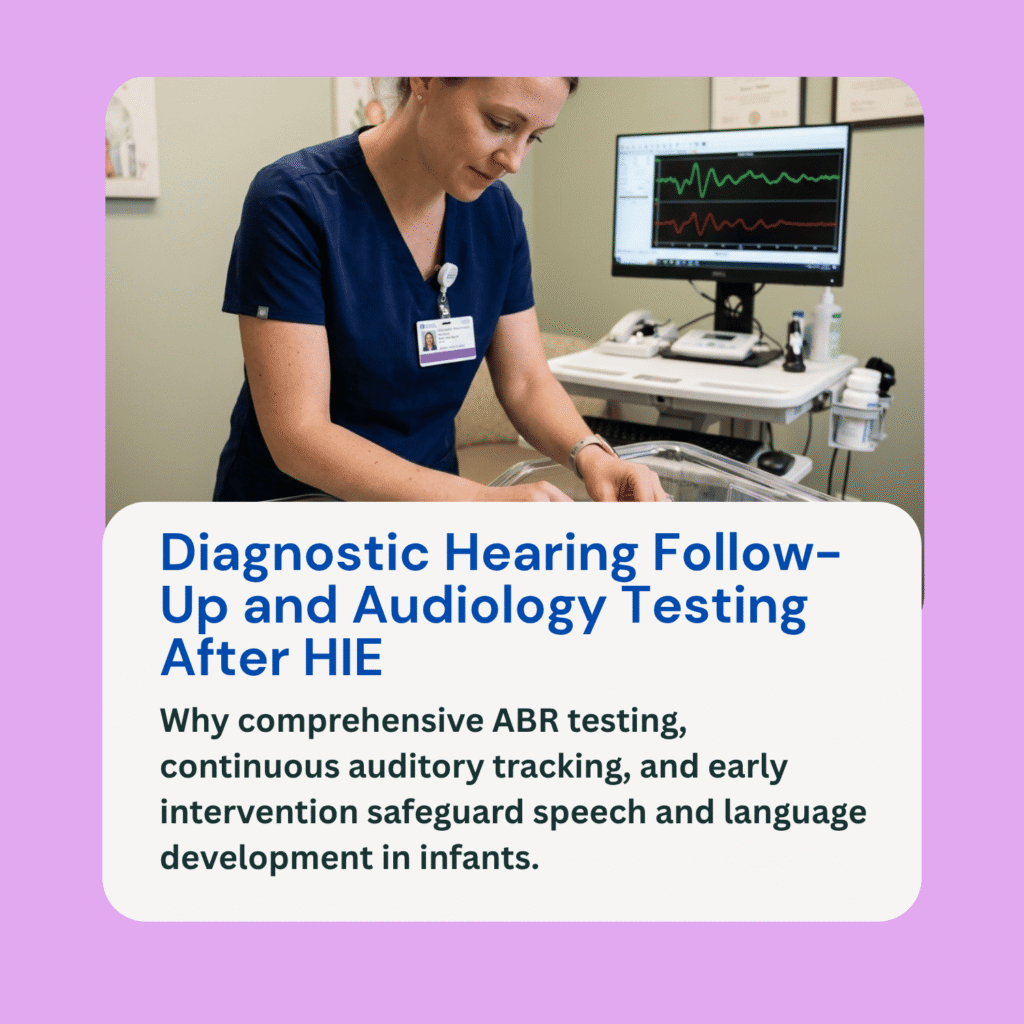
Speech-Language Pathologists (SLPs) and Audiologists: SLPs track early communication, babbling, and feeding safety, while audiologists ensure ongoing hearing surveillance, which is essential after NICU risk factors such as oxygen deprivation or ototoxic medication exposure.
Pediatric Dietitians: Clinical nutritionists monitor growth parameters and ensure the infant receives adequate caloric intake to support brain development.
Understanding Corrected Age for Premature Infants
For infants born before 37 weeks of gestation, developmental pediatricians evaluate progress using corrected age (also called adjusted age). Corrected age accounts for the weeks or months a baby was born early, aligning their developmental expectations with their actual brain maturity rather than their birth date.
Chronological age is calculated from the day of birth. Corrected age is calculated by subtracting the number of premature weeks from the chronological age. For example, if a baby was born two months premature and is now six months old chronologically, their corrected age is four months. In the follow-up clinic, gross motor skills, fine motor control, and social responses are measured against four-month expectations. Corrected age calculations are typically used until the child reaches approximately two years of age.
Developmental Surveillance vs. Acute Examinations
It is important to distinguish the high-risk infant follow-up clinic from the acute evaluations conducted during the initial hospital stay:
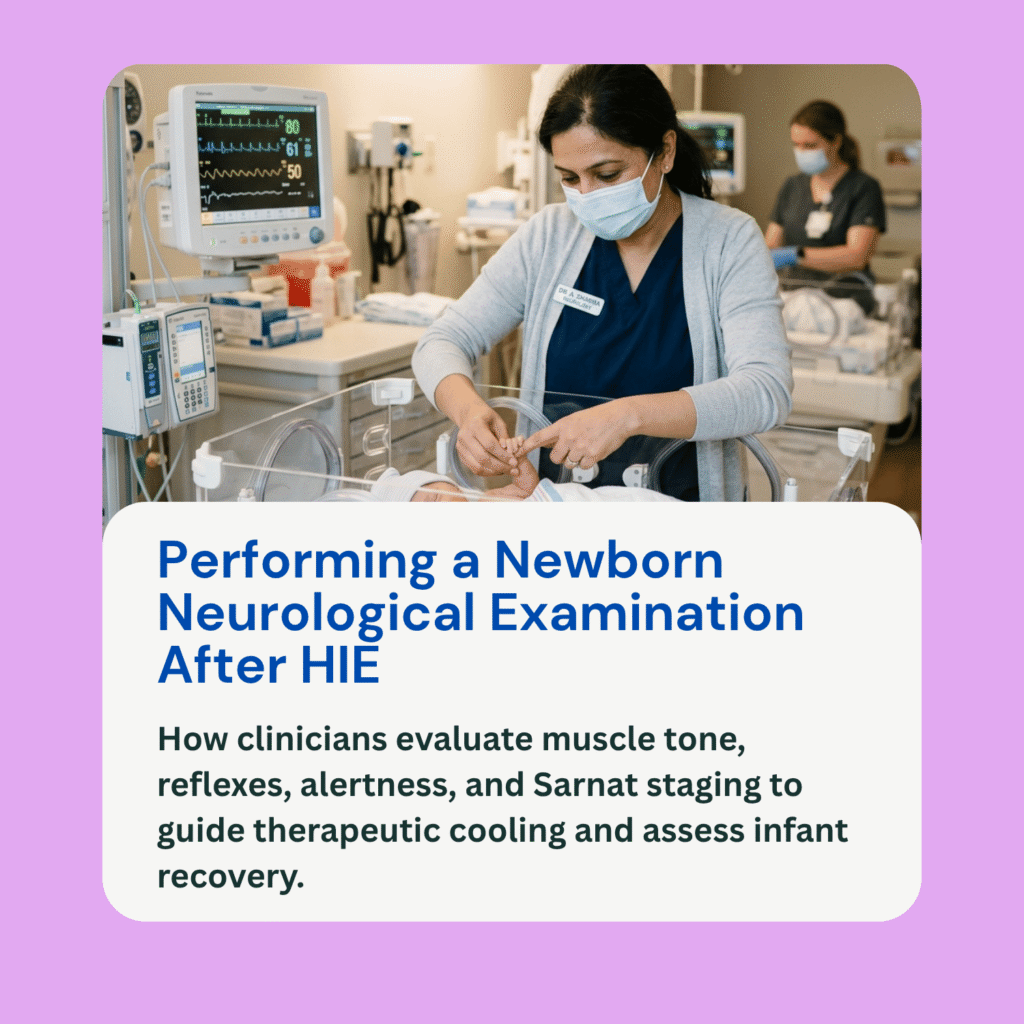
Focus on Long-Term Function: The acute newborn neurological exam performed after birth evaluates immediate brainstem reflexes, muscle tone, and Sarnat staging to guide emergency treatments like cooling therapy. In contrast, the high-risk follow-up clinic focuses on long-term functional progress across motor, language, cognitive, and social domains.
Standardized Screening Tools: Clinics utilize standardized, objective screening instruments—such as the Bayley Scales of Infant and Toddler Development—to track progress over time. These evaluations measure baseline skills without making rigid predictions about a child’s ultimate outcome.
Connecting with Early Intervention: If screening reveals a motor or communication delay, the clinic team provides direct referrals to local early intervention programs, such as community physical, occupational, or speech therapy services. Early therapeutic support takes advantage of the infant brain’s neuroplasticity during key developmental windows.
Frequently Asked Questions (FAQ)
When is the first appointment at a high-risk infant follow-up clinic scheduled?
The initial follow-up visit is typically scheduled between 1 and 4 weeks after hospital discharge, depending on the infant’s clinical stability and specific monitoring needs. Subsequent visits usually align with key corrected-age milestones at 4 to 6 months, 12 months, and 18 to 24 months.
Does visiting a follow-up clinic mean my baby will have a permanent disability?
No. Referral to a high-risk follow-up clinic is a proactive, preventative measure for infants who faced medical challenges at birth. Many NICU graduates meet all developmental milestones without long-term complications. The clinic exists to monitor growth and ensure early support is available if any delays do arise.
Will the follow-up clinic replace my regular community pediatrician?
No. High-risk follow-up clinics work in partnership with your primary care pediatrician. While the clinic focuses specifically on neurodevelopmental tracking, your primary pediatrician continues to handle routine well-child checkups, vaccinations, and everyday healthcare needs.