
How Do Doctors Monitor a Newborn for Bleeding After Vacuum-Assisted Birth?
When a baby requires assistance during the second stage of labor, obstetricians and midwives may use a soft or rigid vacuum cup to help guide the head through the birth canal. While most infants born via vacuum extraction recover quickly with only mild, temporary scalp marks, the gentle traction applied during delivery can occasionally strain delicate blood vessels beneath the scalp. Because internal bleeding beneath the scalp layers can develop gradually over the first several hours of life, hospital care teams follow structured post-delivery observation protocols to watch closely for subgaleal hemorrhage vacuum delivery complications.
Understanding how nurses and pediatricians monitor a subgaleal hemorrhage vacuum delivery risk helps parents distinguish normal post-birth scalp changes from warning signs that require immediate medical evaluation. Guided by neonatal clinical standards, including the Merck Manual Professional Edition on Birth Injuries and position statements from the Canadian Paediatric Society (CPS) and the American Academy of Pediatrics (AAP), this educational guide explains how clinicians examine the newborn scalp, what vital signs are tracked after assisted birth, and when urgent symptoms require immediate bedside attention.
Distinguishing Expected Scalp Changes from Concerning Bleeding
Newborn scalp anatomy consists of several distinct tissue layers above the skull bone. Depending on which anatomical space accumulates fluid or blood during delivery, a baby may develop one of three different types of scalp swelling. Clinicians examine the shape, firmness, and boundaries of any swelling to differentiate harmless fluid collections from serious bleeding:
Caput Succedaneum (Expected Temporary Swelling): This common, benign swelling consists of clear fluid (edema) trapped just beneath the outer skin layer above the connective tissue. It often appears immediately at birth, feels soft and puffy, crosses over the skull suture lines, and typically resolves on its own within a few days without treatment.
Cephalohematoma (Localized Subperiosteal Bleeding): A cephalohematoma occurs when small blood vessels rupture beneath the periosteum, the fibrous membrane tightly covering a single skull bone. Because the membrane attaches firmly at the edges of each bone plate, the bump stays strictly confined within suture lines and never crosses to the opposite side of the head. It feels firm, develops over the first 24 hours, and gradually reabsorbs over weeks to months, though it can increase the baby’s risk for newborn jaundice as red blood cells break down.
Subgaleal Hemorrhage (Urgent Deep Scalp Bleeding): A subgaleal hemorrhage happens when emissary veins rupture in the loose connective tissue space between the scalp aponeurosis (galea) and the skull periosteum. Unlike a cephalohematoma, this potential space has no suture boundaries and extends across the entire skull from the eyebrows to the nape of the neck. Because this large area can hold a substantial portion of a newborn’s total blood volume, early detection and prompt volume support are critical to prevent hypovolemic shock.
How the Hospital Care Team Monitors Your Baby After Delivery
Following any vacuum-assisted birth, maternity nurses and pediatric providers perform scheduled physical assessments during the first 12 to 24 hours of life, even when the baby appears alert and vigorous right after birth:
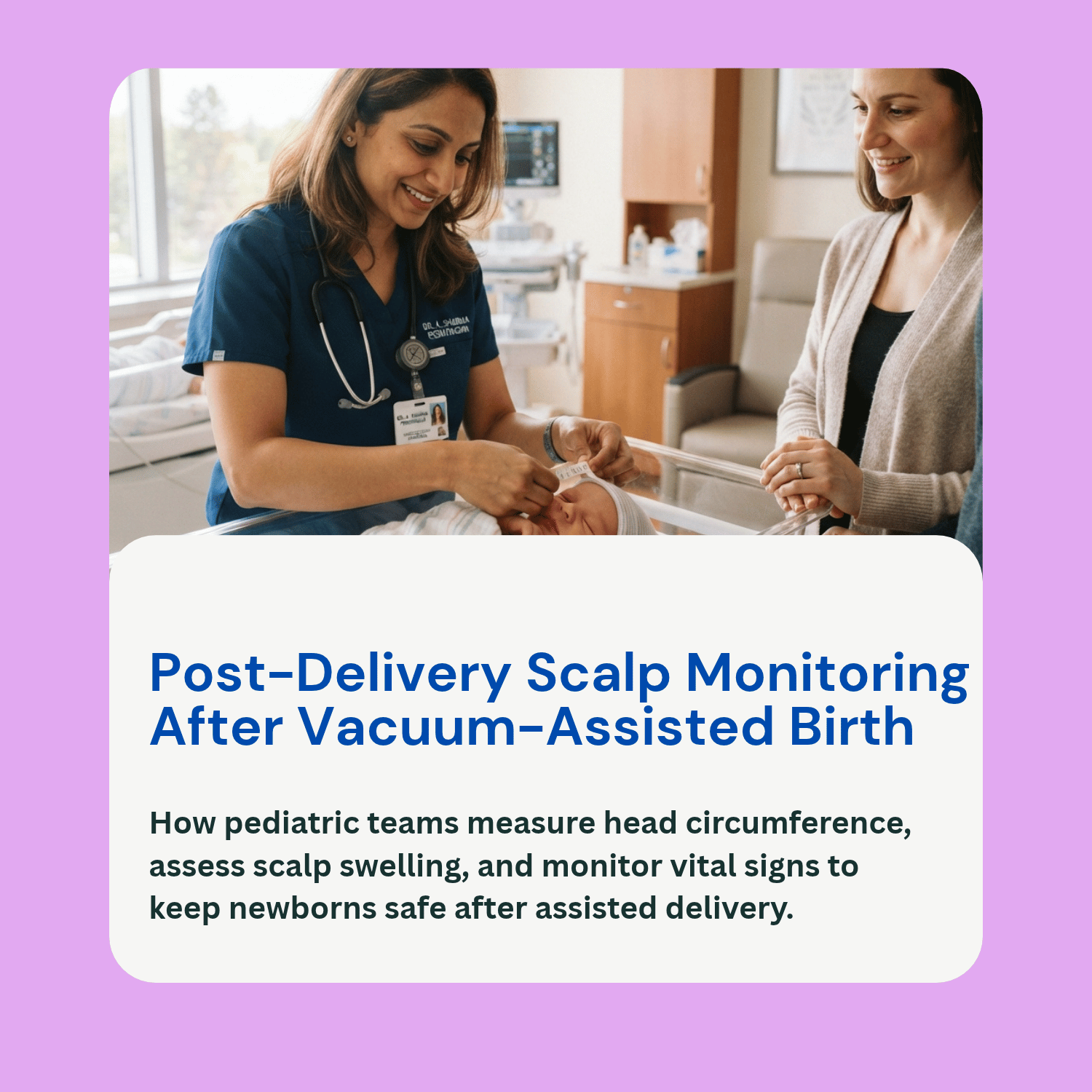
Serial Head Circumference Measurements: Nurses measure the widest part of the baby’s head shortly after birth and repeat the measurement at regular intervals. A steady, progressive increase in head circumference can be an early objective indicator of fluid or blood accumulating beneath the scalp.
Hands-On Scalp Palpation: Clinicians gently feel the scalp to check whether swelling is soft, pitting, or fluctuant (a fluid-wave sensation often described as boggy) and whether the edges cross skull suture lines or spread toward the ears and neck.
Frequent Vital Sign and Perfusion Checks: Because significant blood loss into the subgaleal space lowers circulating blood volume, nurses closely monitor heart rate, respiratory rate, blood pressure, skin color, and capillary refill time. A persistently fast heart rate (tachycardia) or pale, cool skin can signal early blood volume stress before blood pressure drops.
Laboratory and Imaging Evaluation: If scalp swelling expands or vital signs shift, the pediatric team orders urgent blood tests, including hemoglobin, hematocrit, platelet counts, coagulation studies, and bilirubin levels, and may use bedside cranial ultrasound or computed tomography (CT) to confirm the exact location and extent of bleeding.
Urgent Warning Signs That Require Immediate Medical Attention
While hospital staff perform scheduled checks, parents spend continuous time at the bedside and often notice subtle changes first. Alert your nurse or physician immediately, or seek emergency medical care if your baby has already been discharged, if you observe any of the following warning signs:
Diffuse, soft, or boggy scalp swelling that seems to spread across the top or back of the head, especially if it pushes the ears slightly forward or downward.
Increasing puffiness around the eyelids or at the base of the neck.
Sudden paleness (pallor), mottled skin, or cool hands and feet.
Unusual lethargy, extreme sleepiness, difficulty waking for feedings, or a weak, high-pitched cry.
Rapid breathing, grunting, or pauses in breathing.
Yellowing of the skin or whites of the eyes (jaundice) appearing early or deepening rapidly.
Questions Parents Can Ask the Care Team
Asking clear questions during postpartum rounds helps ensure you understand your baby’s observation plan before hospital discharge. It is completely normal and encouraged to check in with your bedside nurse or pediatrician:
What type of scalp swelling does our baby currently have, and does it cross the skull suture lines?
How often will our baby’s head circumference and vital signs be checked over the next 24 hours?
What is the baseline head measurement, and what changes would prompt further blood tests or a NICU evaluation?
Because scalp bruising can raise bilirubin levels, when will our baby be screened for jaundice before we go home?
Once we are discharged, what specific scalp changes or feeding behaviors should prompt an immediate call to our pediatrician or a return to the hospital?
Clinical Uncertainty and Avoiding Assumptions
Experiencing scalp swelling or requiring close observation after a vacuum-assisted delivery does not automatically mean a baby has sustained a serious injury or that medical care fell below clinical standards. Vacuum extraction is a well-established obstetric tool used to safely expedite delivery when fetal heart rate patterns or maternal exhaustion make prolonged pushing risky. Most infants monitored after vacuum birth go home healthy with harmless caput succedaneum that fades within days.
Even when a cephalohematoma or subgaleal hemorrhage occurs, outcomes depend heavily on how quickly bleeding is recognized and supported with fluids, blood products, or phototherapy. Determining whether obstetric or neonatal monitoring protocols were appropriately followed requires a comprehensive, independent review of the complete labor, delivery, and newborn medical record rather than drawing conclusions from a single diagnosis or symptom alone.
Frequently Asked Questions (FAQ)
How soon after a vacuum delivery would a subgaleal hemorrhage appear?
Most subgaleal hemorrhages become clinically noticeable within the first 1 to 12 hours after birth, though gradual expansion can occasionally continue up to 24 to 48 hours. This timeline is why hospitals maintain structured scalp and vital sign checks throughout the first day of life.
Does a bump on my baby’s head after vacuum birth mean brain damage?
No. Caput succedaneum, cephalohematoma, and subgaleal hemorrhage all occur outside the skull bone in the layers of the scalp rather than inside the brain tissue itself. Promptly treating significant blood loss or secondary jaundice protects the brain from secondary complications.
Can a subgaleal hemorrhage cause severe jaundice later in the first week?
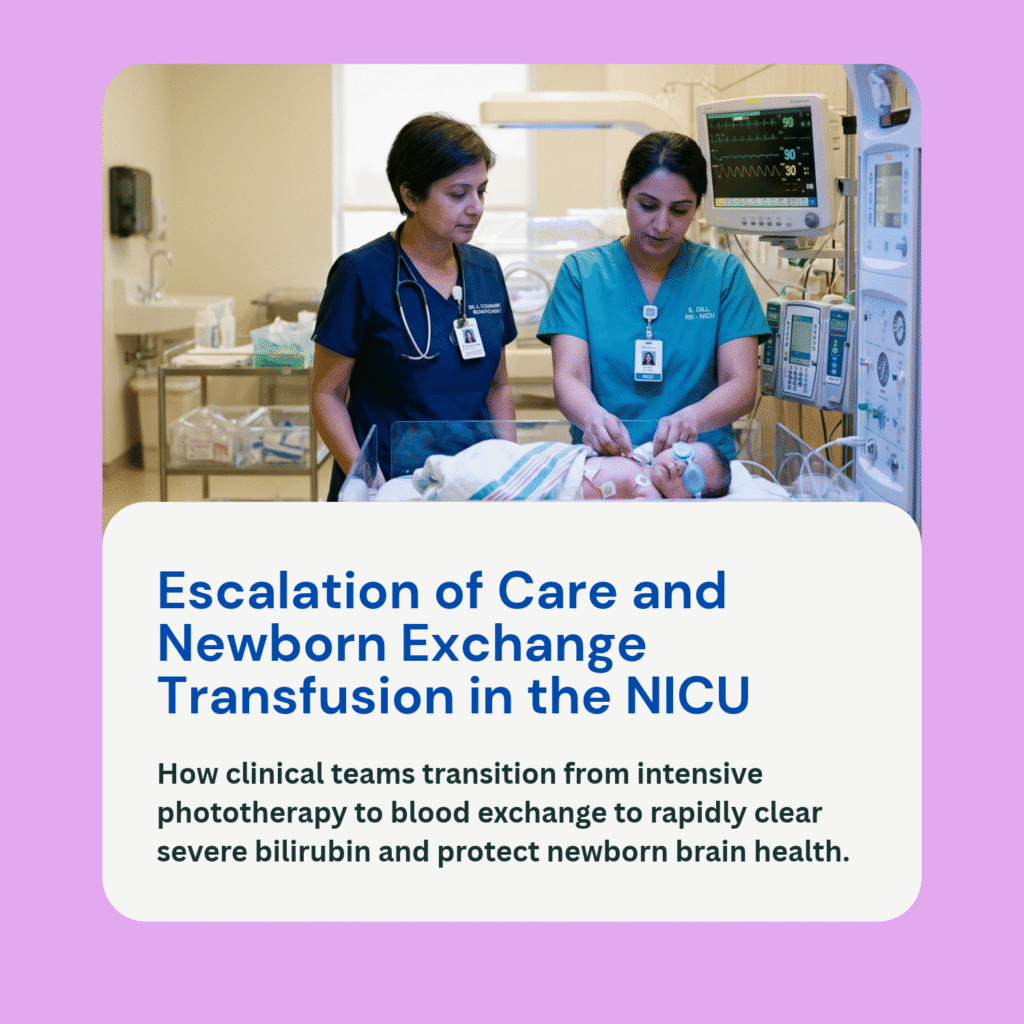
Yes. As trapped blood beneath the scalp breaks down over the first several days of life, it releases bilirubin into the bloodstream. Babies with significant scalp bruising or hematomas require careful bilirubin monitoring and sometimes phototherapy or newborn exchange transfusion if levels escalate rapidly.