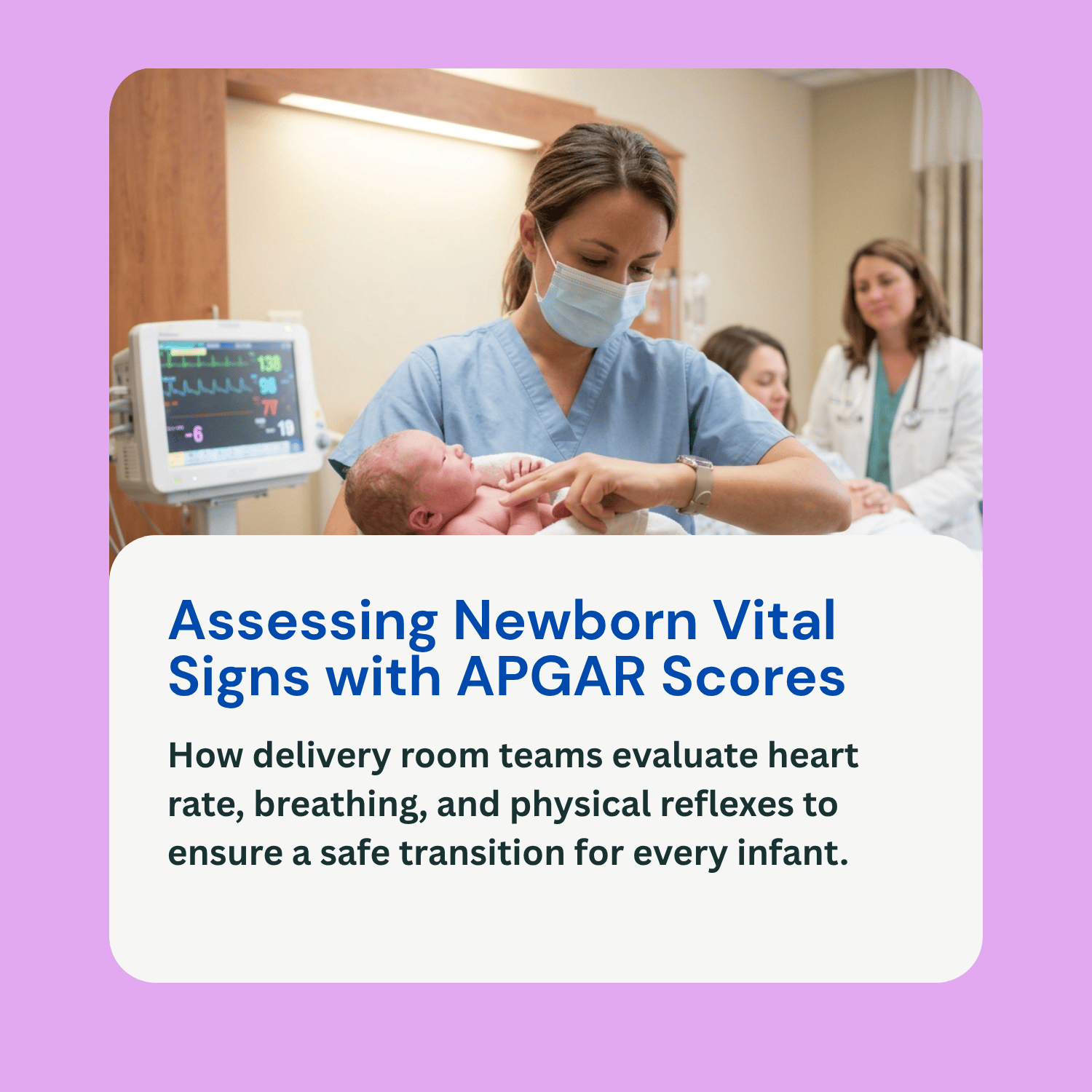

Understanding APGAR Scores After Birth
In the immediate moments following childbirth, medical personnel perform a series of rapid clinical evaluations to assess a newborn’s transition from the womb to the outside world. The most famous and standardized of these tests is the APGAR score. Created in 1952 by Dr. Virginia Apgar, this quick assessment provides delivery room teams with a standardized way to evaluate an infant’s overall physical condition right after birth.
While an apgar score newborn assessment is a routine part of almost every delivery, receiving a low score can cause immediate concern for parents. Understanding what this score actually evaluates, recognizing its clinical limitations, and knowing when persistent low scores indicate a serious birth injury like oxygen deprivation is essential for families navigating a difficult delivery.
What the APGAR Score Measures
The APGAR test evaluates five specific physical criteria, measured at one minute and five minutes after birth. If the baby shows signs of distress at five minutes, clinicians will continue scoring at five-minute intervals up to 20 minutes. Each category receives a score of 0, 1, or 2, with the total score ranging from a low of 0 to a maximum of 10.
The five criteria correspond directly to the letters in the name APGAR:
Appearance (Skin Color): A score of 0 indicates the baby is completely pale or blue. A score of 1 means the body is pink but the hands and feet remain blue (acrocyanosis). A score of 2 shows the baby’s entire body is completely pink.
Pulse (Heart Rate): A score of 0 means no heartbeat is detected. A score of 1 indicates a slow heart rate below 100 beats per minute. A score of 2 reflects a healthy heart rate above 100 beats per minute.
Grimace (Reflex Irritability): A score of 0 means no response to airway stimulation. A score of 1 indicates minor facial grimacing or weak movement. A score of 2 shows a vigorous cry, cough, or sneeze when stimulated.
Activity (Muscle Tone): A score of 0 indicates a completely limp or “floppy” baby with no muscle tone. A score of 1 reflects some flexion of the arms and legs. A score of 2 means active, strong limb movement.
Respiration (Breathing Effort): A score of 0 means the baby is not breathing at all. A score of 1 indicates slow, shallow, or irregular breathing. A score of 2 reflects a strong, robust cry and steady breathing.
Interpreting APGAR Score Ranges
An APGAR score of 7 to 10 is considered normal and reassuring, signaling that the newborn is transitioning well and requires only routine care, such as warming and suctioning. A score of 4 to 6 is moderately abnormal and indicates the baby needs immediate medical assistance, such as clearing the airways, oxygen administration, or gentle stimulation.
A score of 0 to 3 is severely abnormal and represents a critical medical emergency. It indicates that the infant is in profound physiological distress, requiring immediate resuscitation, endotracheal intubation, or chest compressions to stabilize heart rate and breathing.
The Limitations of the APGAR Test
While the APGAR test is invaluable for guiding immediate resuscitation efforts, it has several important clinical limitations that parents should understand. First, the APGAR score is a subjective evaluation. Scores can vary based on the observer’s clinical judgment, the birth environment, and whether the mother received pain medications or anesthesia during labor, which can temporarily dampen a baby’s reflexes and breathing.
Second, the APGAR score was never designed to predict a child’s long-term health, intelligence, or neurological development. Premature infants, for example, almost always receive lower APGAR scores simply due to underdeveloped lungs and immature muscle tone, rather than an underlying brain injury. Therefore, a low score at one minute merely signals that the baby needs help transitioning; it does not automatically mean the child will suffer permanent harm.
When Low Scores Signal a Serious Birth Injury
Although a low APGAR score at one minute is often temporary, a low score that persists at 5, 10, 15, or 20 minutes is a major red flag for severe oxygen deprivation. When an infant’s APGAR score remains between 0 and 3 past the 5-minute mark, it strongly suggests that the baby experienced prolonged birth asphyxia during labor or delivery.
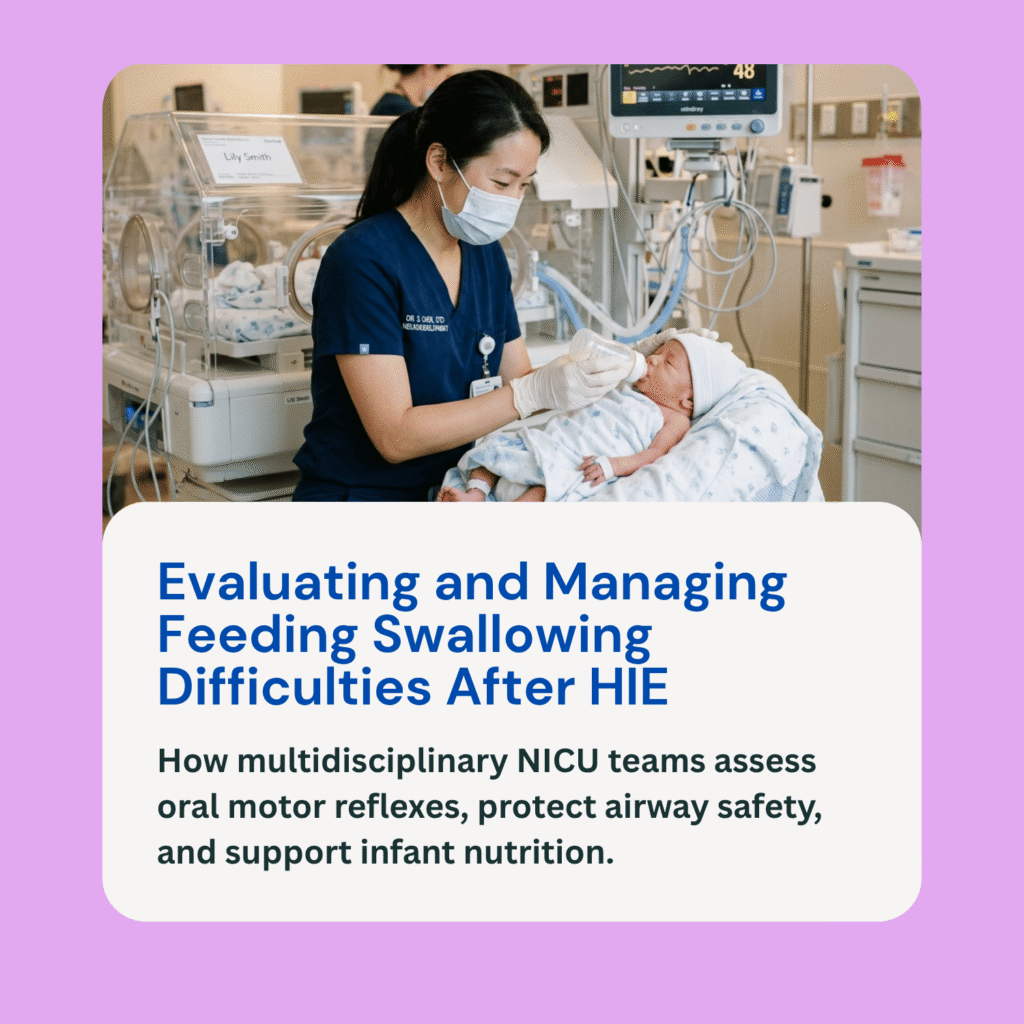
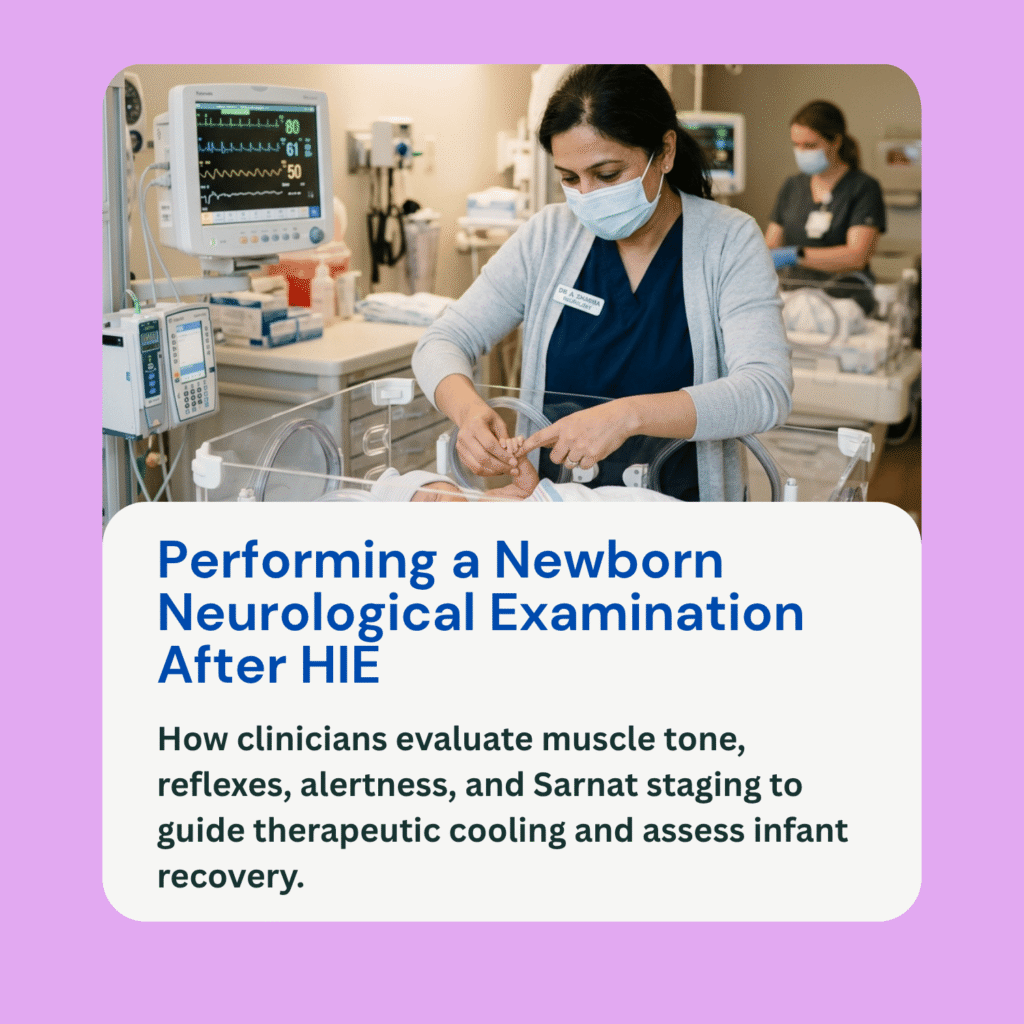
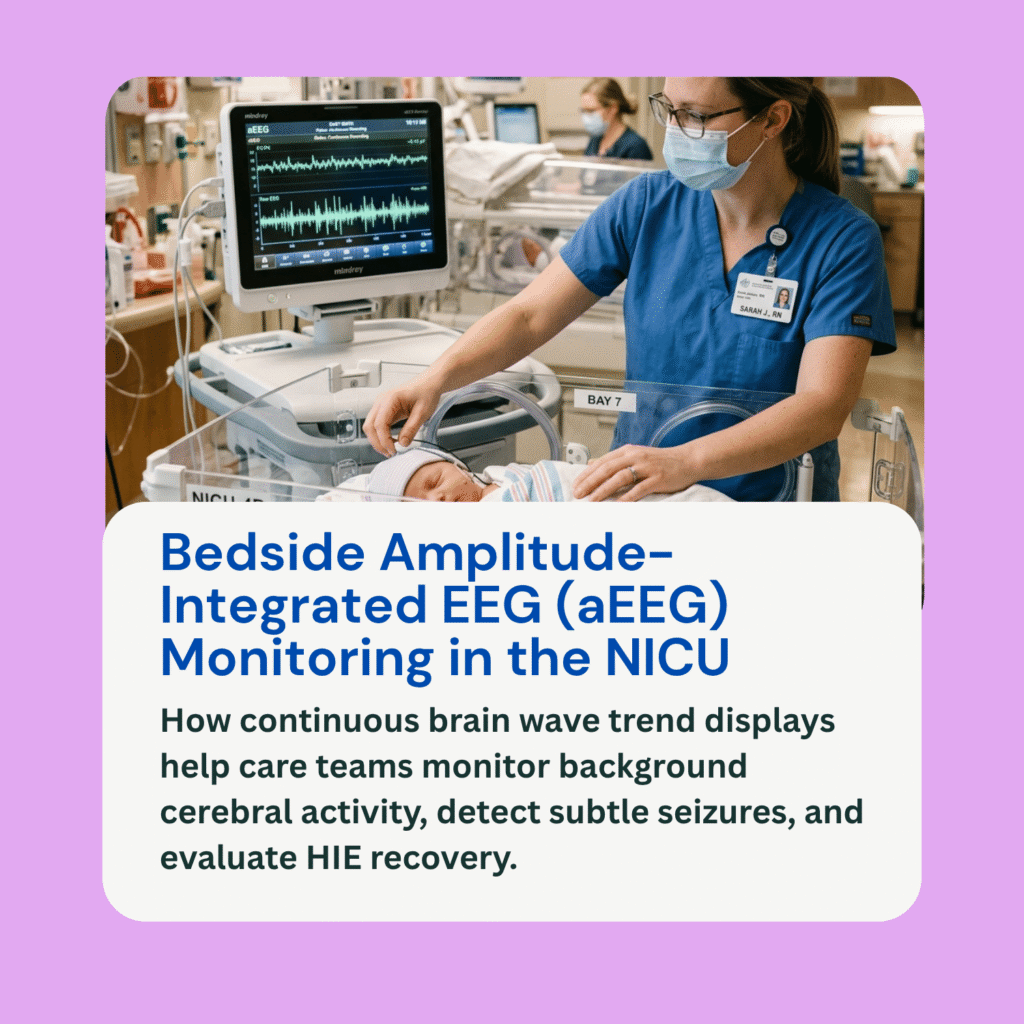
Persistent low scores combined with an umbilical cord blood pH reading below 7.0 signal severe metabolic acidosis. This chemical imbalance proves that the infant’s vital organs were starved of oxygenated blood flow. In these critical cases, the severe oxygen deficit can trigger Hypoxic-Ischemic Encephalopathy (HIE), an acute brain injury. Unaddressed HIE can lead to permanent neurological conditions, including cerebral palsy, developmental delays, epilepsy, or cognitive impairments.
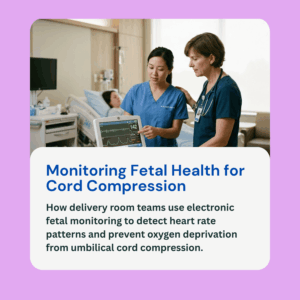
When persistent low APGAR scores occur alongside fetal monitoring errors or delayed emergency C-sections, medical experts review these scores as key evidence of preventable delivery room errors.
Frequently Asked Questions (FAQ)
Is a perfect APGAR score of 10 common?
No, a score of 10 is actually quite rare. Most healthy newborns receive an APGAR score of 8 or 9 because it is very common for a baby’s hands and feet to remain slightly blue (acrocyanosis) for the first few hours after delivery, deducting one point for appearance.
What is the difference between the 1-minute score and the 5-minute score?
The 1-minute APGAR score measures how well the baby tolerated the physical stress of labor and delivery. The 5-minute APGAR score measures how well the baby is responding to initial medical interventions and adapting to life outside the womb.
Can a baby with a low APGAR score fully recover?
Yes. Many babies who receive low APGAR scores at 1 or 5 minutes respond quickly to resuscitation, supplemental oxygen, or therapeutic hypothermia (brain cooling). If oxygen levels are restored rapidly before tissue death occurs, many children recover completely without any long-term health issues.
Does a low APGAR score prove medical malpractice?
Not on its own. A low APGAR score simply documents that a baby was in distress at birth. To prove medical malpractice, experts must show that the distress was caused by a healthcare provider’s failure to follow accepted standards of care, such as ignoring fetal heart monitor warnings or unreasonably delaying a C-section.