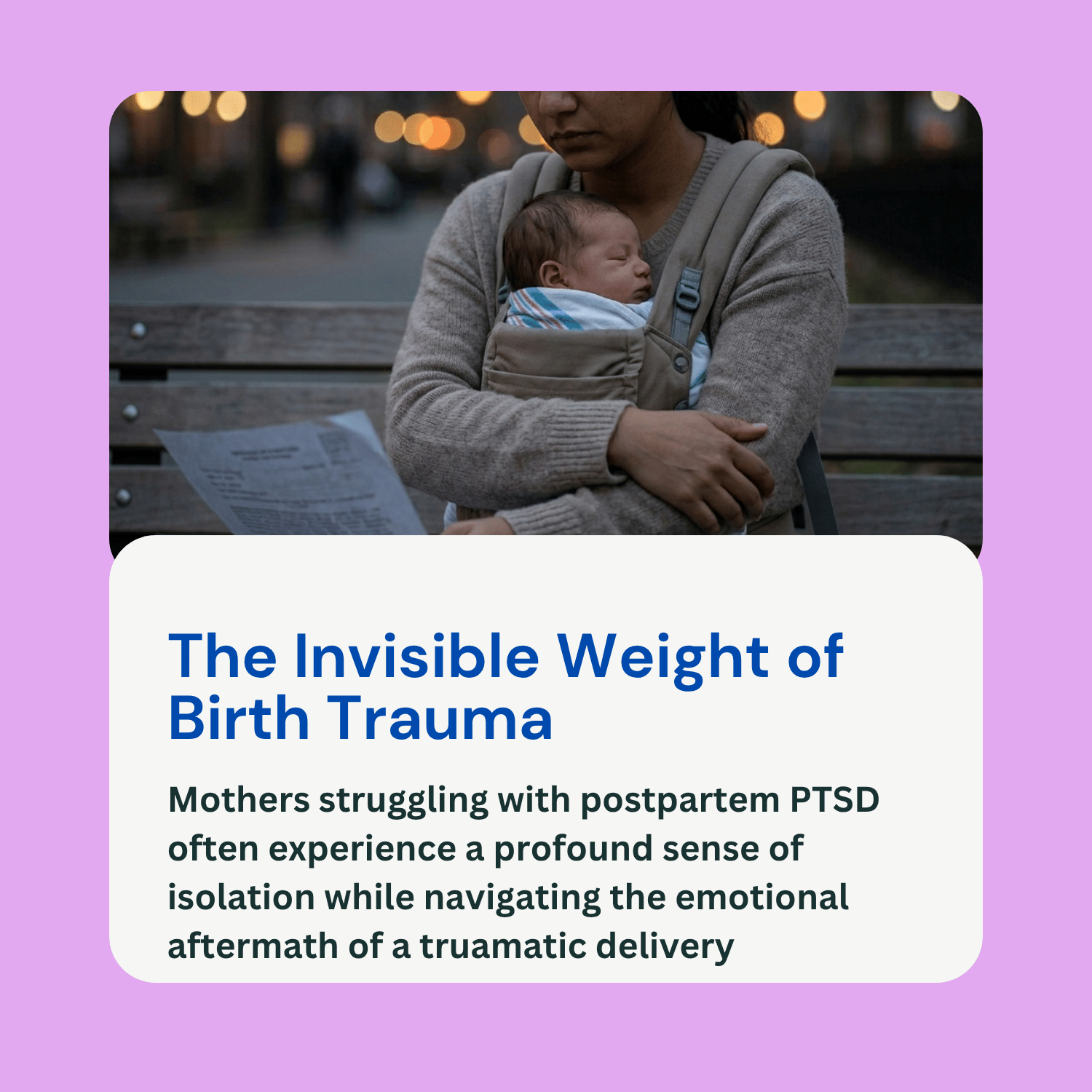

PTSD from Childbirth: Recognizing the Signs and Your Legal Rights
While the physical injuries sustained during a difficult labor are often visible and immediate, the psychological scars can be just as debilitating and significantly longer-lasting. PTSD from childbirth, also known as birth-related post-traumatic stress disorder, is a serious mental health condition that arises after a delivery involving a perceived or actual threat of death or serious injury. For many mothers in New York, the joy of a new baby is overshadowed by intrusive memories, extreme anxiety, and a profound sense of fear that lingers long after they leave the hospital. This condition is not a sign of weakness but is a biological and psychological response to an overwhelming medical event that often involved a loss of control or a lack of informed consent.
The medical community has historically overlooked the psychological impact of birth, often focusing exclusively on the physical health of the mother and infant. However, as our understanding of trauma evolves, it is becoming clear that a traumatic delivery can alter a woman’s brain chemistry and her ability to function in daily life. When a birth is mismanaged by medical professionals, the resulting trauma is often categorized as a “preventable” psychological injury. Families who are struggling with the aftermath of a traumatic birth deserve to know that their mental health is just as valid as their physical health in the eyes of the law.
This guide explores the diagnostic criteria for birth-related PTSD, the specific ways it differs from postpartum depression, and the legal pathways available for seeking compensation. By focusing on this specific cluster of birth trauma, we aim to provide a roadmap for healing and accountability. Understanding that you are not alone and that your trauma has a name is the first step toward reclaiming your life after a traumatic delivery.
Table of Contents
- What is Birth-Related PTSD?
- How PTSD Differs from Postpartum Depression
- Symptoms Parents Can Observe
- The Role of Medical Negligence in Birth Trauma
- Psychological Injuries as Legal Damages
- The Impact on the Family and Partner
- New York’s Legal Approach to Emotional Distress
- Frequently Asked Questions
- Next Steps Toward Healing and Justice
What is Birth-Related PTSD?
Post-Traumatic Stress Disorder is traditionally associated with combat or natural disasters, but the intensity of a life-threatening delivery fits the diagnostic criteria perfectly. According to the DSM-5, PTSD can develop after experiencing or witnessing an event involving actual or threatened death, serious injury, or sexual violence. A delivery that involves an emergency hysterectomy, a neonatal resuscitation, or a maternal hemorrhage is a quintessential traumatic event. Even if the baby is eventually born healthy, the subjective experience of fearing for one’s life or the life of one’s child is enough to trigger the disorder.
PTSD from childbirth is characterized by four main clusters of symptoms: intrusion, avoidance, negative alterations in cognition and mood, and alterations in arousal and reactivity. Intrusion symptoms often manifest as vivid flashbacks where the mother feels as though she is back in the delivery room, hearing the alarms or feeling the physical pain of the event. Avoidance symptoms might involve a mother refusing to drive past the hospital where she gave birth or feeling unable to look at photos of her newborn’s first days. These symptoms are involuntary and can be triggered by seemingly small reminders of the traumatic delivery.
It is estimated that up to 9 percent of women meet the full criteria for PTSD following childbirth, with many more experiencing “sub-clinical” symptoms that still significantly impair their lives. The risk increases exponentially when the mother felt that the medical staff was dismissive, cold, or acted without her consent. In these cases, the trauma is not just about the medical complication itself but about the betrayal of the “duty of care” owed to the patient by her doctors and nurses.
How PTSD Differs from Postpartum Depression
It is common for medical providers to misdiagnose PTSD from childbirth as postpartum depression (PPD). While both conditions are serious and can occur simultaneously, they require very different treatment approaches. Postpartum depression is primarily characterized by persistent sadness, low energy, and a lack of interest in the baby or daily activities. In contrast, PTSD from childbirth is rooted in fear and the physiological “fight or flight” response. A mother with PTSD may be very interested in her baby but may also be paralyzed by the fear that something terrible will happen to them at any moment.
The core of PTSD is the “re-experiencing” of the trauma, which does not typically happen in standard PPD. Mothers with birth trauma often describe feeling “wired” or hyper-vigilant, constantly checking the baby’s breathing or being unable to sleep even when the baby is resting. This state of constant high alert leads to exhaustion and can eventually look like depression, which is why a careful clinical evaluation is necessary. Distinguishing between the two is vital for legal purposes, as PTSD is often more directly linked to specific instances of medical negligence during the labor process.
Furthermore, PPD is often treated with a combination of medication and general talk therapy. PTSD often requires more specialized interventions such as Eye Movement Desensitization and Reprocessing (EMDR) or Trauma-Focused Cognitive Behavioral Therapy (TF-CBT). These therapies are designed to help the brain process the “trapped” traumatic memories so they no longer trigger a physical panic response. Because these specialized treatments are expensive and often not fully covered by insurance, they represent a significant portion of the “damages” in a medical malpractice claim.
Symptoms Parents Can Observe
If you are wondering if your birth experience has led to PTSD, there are specific behavioral signs you can look for in your own life or in your partner’s life. One of the most common signs is an extreme emotional reaction to any talk of the birth. If a mother becomes visibly distressed, begins to shake, or completely shuts down when the delivery is mentioned, she is likely experiencing a traumatic response. Some mothers also report feeling a “disconnection” from their body, as if they are watching their lives from the outside, which is a symptom known as dissociation.
Hyper-vigilance is another hallmark symptom that parents should recognize. This manifests as a constant, intrusive fear that the baby is in danger, leading to obsessive behaviors. A mother might stay awake all night to watch the baby sleep because she no longer trusts medical monitors or her own intuition after the trauma of the delivery. This state of chronic stress can lead to physical symptoms such as heart palpitations, headaches, and a weakened immune system, further complicating the postpartum recovery period.
Finally, you may notice a significant change in how the mother views medical professionals. A woman who was previously comfortable with doctors may suddenly experience panic attacks at the thought of a six-week postpartum checkup. She may avoid all medical care for herself or her child because the clinical environment is too powerful of a trigger for her trauma. When medical negligence is the root cause of the trauma, this fear is often combined with a deep sense of anger and a desire for the truth about what happened in the delivery room.
The Role of Medical Negligence in Birth Trauma
Not every difficult birth leads to PTSD, but the way a medical team handles a crisis is often the deciding factor in whether a mother is traumatized. Negligence in this context often takes the form of “poor communication” or a total disregard for the patient’s physical and emotional pain. If a doctor performs an episiotomy without anesthesia or continues with a painful procedure after the mother has asked them to stop, they are committing a form of obstetric violence. This violation of the patient’s bodily integrity is a primary driver of long-term psychological injury.
Legal claims for PTSD from childbirth often focus on the “lack of informed consent.” In New York, patients have a right to be told the risks and benefits of any medical intervention. During a traumatic delivery, medical teams often act unilaterally, leaving the parents feeling like spectators in a violent and terrifying event. If a doctor could have taken a moment to explain the necessity of a procedure but chose not to, they may be held liable for the psychological damage caused by that lack of transparency.
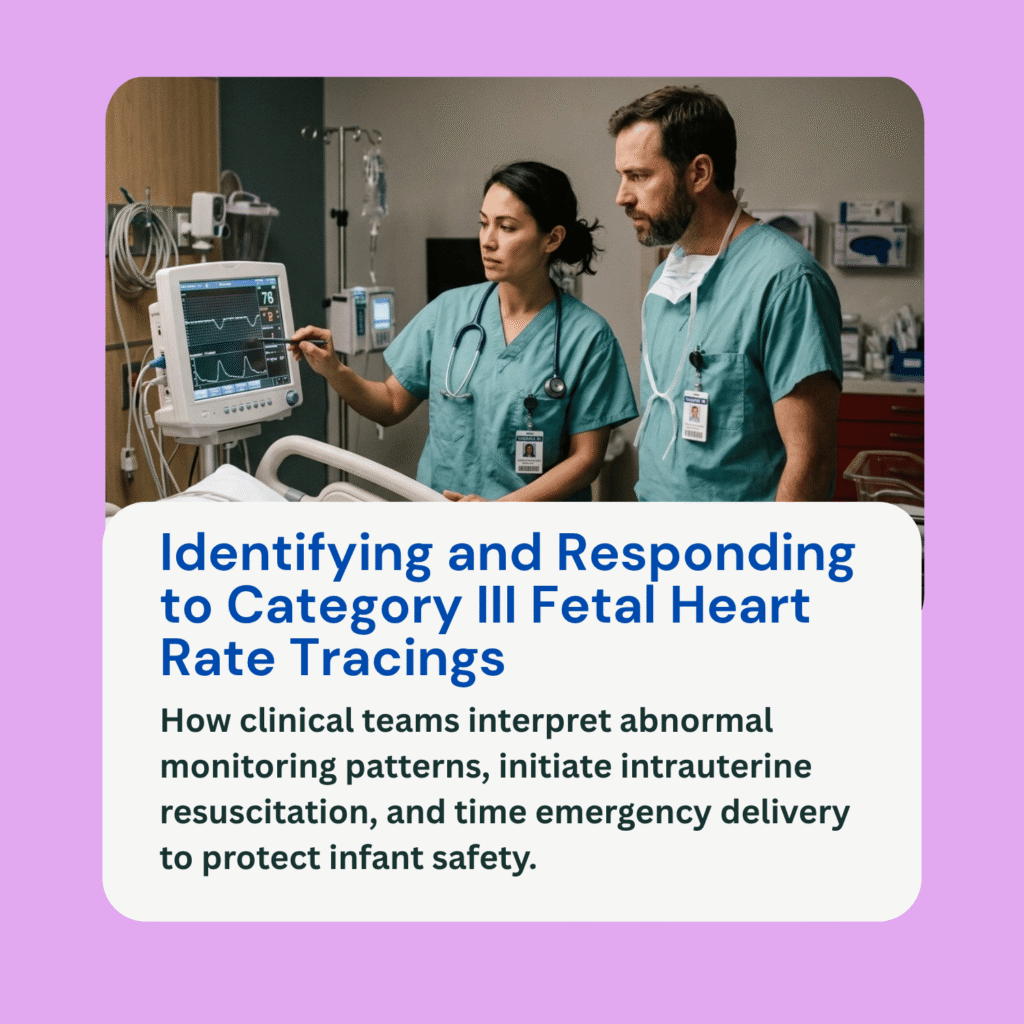
Furthermore, the failure to recognize fetal distress or maternal hemorrhage in a timely manner creates a “chaos” that is inherently traumatic. When a medical team panics because they missed earlier warning signs, the mother is subjected to an environment of fear and urgency that could have been avoided. In these cases, the PTSD is a direct consequence of the hospital’s failure to maintain a safe and controlled environment. A legal investigation can uncover these systemic failures and provide a basis for a psychological injury claim.
Psychological Injuries as Legal Damages
In a medical malpractice lawsuit, “damages” refer to the specific losses a family has suffered because of the doctor’s negligence. While physical injuries to the baby are often the focus, the mother’s psychological injuries are also a valid form of damage in New York. To successfully claim damages for PTSD, you must demonstrate that the condition has had a measurable impact on your life. This can include the cost of mental health treatment, loss of wages if you are unable to return to work, and the “loss of enjoyment of life.”
Proving a psychological injury requires testimony from expert witnesses, such as forensic psychiatrists or psychologists. These experts will evaluate the mother and review her medical records to establish a clear link between the traumatic delivery and her current symptoms. They will also project the future costs of care, which can be substantial if the mother requires years of specialized trauma therapy. In many cases, the settlement from a birth injury claim is what allows a mother to finally access the high-quality mental healthcare she needs to recover.
Additionally, New York law allows for “non-economic damages,” which cover pain and suffering. PTSD is a profoundly painful experience that can strip a person of their sense of safety and joy. A jury can award significant compensation for the emotional distress caused by a traumatic birth, especially when the negligence was particularly egregious. This compensation acknowledges that a mother’s mental well-being is a fundamental right that was violated by the medical team.
The Impact on the Family and Partner
PTSD from childbirth does not just affect the mother; it has a profound impact on the entire family unit. Partners who witnessed the traumatic delivery can also suffer from “secondary trauma.” They may experience their own flashbacks of seeing their spouse or child in a life-threatening situation. This shared trauma can strain the relationship and make it difficult for the couple to support each other during the already challenging postpartum period.
The bonding process between the mother and the baby can also be compromised. If a mother is struggling with avoidance symptoms, she may find it difficult to be near her child or to provide the emotional attunement that a newborn requires. This is not because she does not love her baby, but because the baby is a subconscious trigger for the most terrifying moment of her life. Overcoming this hurdle requires specialized “parent-infant” trauma therapy, the cost of which can be included in a legal claim.
Furthermore, the siblings of the newborn may be affected by the mother’s emotional withdrawal or her frequent panic attacks. The entire household can become a place of tension and fear, rather than a place of joy and growth. Legal accountability ensures that the family has the financial resources to hire help, such as doulas or home health aides, who can support the family while the mother focuses on her recovery. This holistic approach to damages is essential for the long-term health of the family.
New York’s Legal Approach to Emotional Distress
New York has a complex history regarding claims for “emotional distress” without physical injury. For many years, it was difficult to sue for the trauma of a birth unless the mother also suffered a significant physical injury herself. However, recent legal shifts and case law have become more supportive of mothers who suffer psychological harm. New York courts are increasingly recognizing that the “zone of danger” during a traumatic birth includes the mother’s mental health, especially when she feared for her own life or her child’s life.
When filing a claim for PTSD from childbirth in New York, it is important to work with a lawyer who understands these nuances. Your attorney will need to build a case that clearly connects the medical error to the psychological outcome. For example, if a doctor’s delay in performing a C-section led to a “near-miss” where the baby stopped breathing, the mother’s fear during those minutes is a powerful component of her legal claim. These “bystander” or “direct” emotional distress claims are becoming a vital tool for families seeking justice.
Because New York has a strict statute of limitations, you should not wait to explore your options. Even if you are not sure if you want to file a lawsuit, a consultation with a birth injury lawyer can help you understand your rights. They can help you secure your medical records and ensure that you have the evidence needed if you decide to move forward later. Taking action can be an empowering part of the healing process, as it allows you to stand up for yourself and your family.
Frequently Asked Questions
1. Can I sue for PTSD if both I and my baby are physically healthy now?
Yes, you can still pursue a claim for psychological injuries even if there are no permanent physical disabilities. PTSD is a recognized medical injury that can result in significant financial losses and a reduced quality of life. If the trauma was caused by a deviation from the standard of medical care, you have a right to seek compensation for the resulting emotional distress and the cost of therapy.
2. How is birth-related PTSD diagnosed?
A diagnosis is usually made by a licensed mental health professional, such as a psychologist or psychiatrist, after a clinical interview. They will use the DSM-5 criteria to determine if you have symptoms of intrusion, avoidance, and hyper-arousal that have lasted for more than one month. For a legal case, an independent medical exam (IME) by a forensic expert may also be required to confirm the diagnosis and its cause.
3. What kind of evidence is used to prove a PTSD from childbirth claim?
Evidence includes your testimony about the birth and its impact on your life, as well as testimony from friends or family who have observed your symptoms. Your medical records will be used to show the “traumatic event” that occurred in the delivery room. Expert medical testimony is also used to explain how the hospital’s negligence directly led to the development of your PTSD symptoms.
4. How long do I have to file a claim for birth trauma in New York?
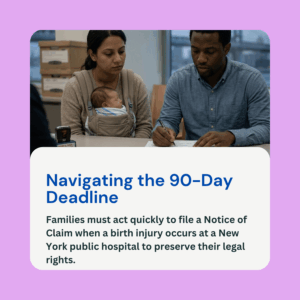
For the mother’s psychological injuries, the standard statute of limitations is two years and six months from the date of the trauma. If the claim is against a public hospital, you must file a Notice of Claim within 90 days. Because these deadlines are strict and often shorter than the ones for the child’s physical injuries, it is critical to consult an attorney as soon as possible.
5. Can a partner or father sue for secondary trauma after a birth?
In New York, it is more difficult for a bystander to sue for emotional distress, but it is not impossible if they were in the “zone of danger.” If the partner was present during a life-threatening medical error, they may have their own grounds for a claim. However, these cases are highly specific and require a detailed legal analysis of the events that occurred in the delivery room.
6. Will a lawsuit make my PTSD symptoms worse?
While the legal process can be stressful, many mothers find that it is ultimately a cathartic experience. It allows them to feel heard and to hold the people who hurt them accountable for their actions. Your attorney will work to protect you during the process, ensuring that you are not re-traumatized by the litigation and that your focus remains on your recovery.
7. What if the doctor said my trauma was “just the way birth is”?
You should never take a doctor’s dismissal at face value. Many medical providers downplay the trauma of birth to avoid liability or because they are desensitized to the intensity of delivery. If your experience felt violent, terrifying, or ignored, your feelings are valid. An independent legal and medical review can determine if the events you experienced were actually a result of preventable medical errors.
Next Steps Toward Healing and Justice
If you are struggling with PTSD from childbirth, your first priority must be finding a trauma-informed therapist who can help you manage your symptoms. Look for professionals who specialize in perinatal mental health and who are trained in modalities like EMDR. Healing is possible, but it requires specialized support and time. Do not suffer in silence; reaching out for help is the bravest thing you can do for yourself and your baby.
Once you have secured medical support, your next step should be to explore your legal options. Contact a birth injury lawyer in New York who has experience with maternal psychological injury claims. They can review your delivery records and help you determine if medical negligence played a role in your trauma. You deserve to know the truth about what happened, and you deserve the resources to help you and your family recover.
By taking these steps, you are advocating for a future where maternal mental health is treated with the same urgency and respect as physical health. Holding negligent hospitals accountable is not just about your own case; it is about changing the culture of obstetrics so that other mothers do not have to endure the same trauma. Your voice matters, and your path to justice starts today.