
Uterine Rupture During Labor: Medical Malpractice and Your Rights
A uterine rupture during labor malpractice case is one of the most urgent and high-stakes areas of birth injury law. This catastrophic event occurs when the wall of the uterus tears open, often at the site of a previous cesarean section scar, potentially expelling the baby into the mother’s abdominal cavity. It is a true medical emergency that threatens the lives of both the mother and the infant within minutes. When a rupture occurs, the supply of oxygen to the baby is often severed instantly, and the mother is at extreme risk of fatal internal hemorrhaging. Because the window for intervention is so narrow, the responsiveness of the medical team is the primary factor in determining the outcome of the delivery.
While some uterine ruptures are unpredictable, many are the result of identifiable medical errors or a failure to properly assess a mother’s risk factors. Doctors have a strict duty to monitor patients who are high-risk, especially those attempting a Vaginal Birth After Cesarean (VBAC). If a medical team ignores the warning signs of an impending rupture or fails to prepare for an emergency surgical intervention, their negligence can lead to permanent brain damage for the baby or a hysterectomy for the mother. For families in New York, understanding the clinical standards for managing these risks is essential for determining if their traumatic delivery was preventable.
This guide provides a comprehensive look at the causes of uterine rupture, the critical “standard of care” for emergency response times, and the legal pathways for seeking compensation. We will examine how the misuse of labor-inducing drugs like Pitocin can contribute to this disaster and what your rights are if a hospital was not properly equipped to handle your emergency. By the end of this post, you will have a clear understanding of whether your experience fits the criteria for a medical malpractice claim in New York.
Table of Contents
- The Clinical Signs of a Rupturing Uterus
- The Risks of VBAC and Informed Consent
- Pitocin and the Danger of Hyper-Stimulation
- The “30-Minute Rule” for Emergency C-Sections
- Consequences for the Mother: Hemorrhage and Hysterectomy
- Neonatal Brain Damage and HIE
- Proving Malpractice in Uterine Rupture Cases
- Seeking Justice for a Preventable Crisis
- Frequently Asked Questions
The Clinical Signs of a Rupturing Uterus
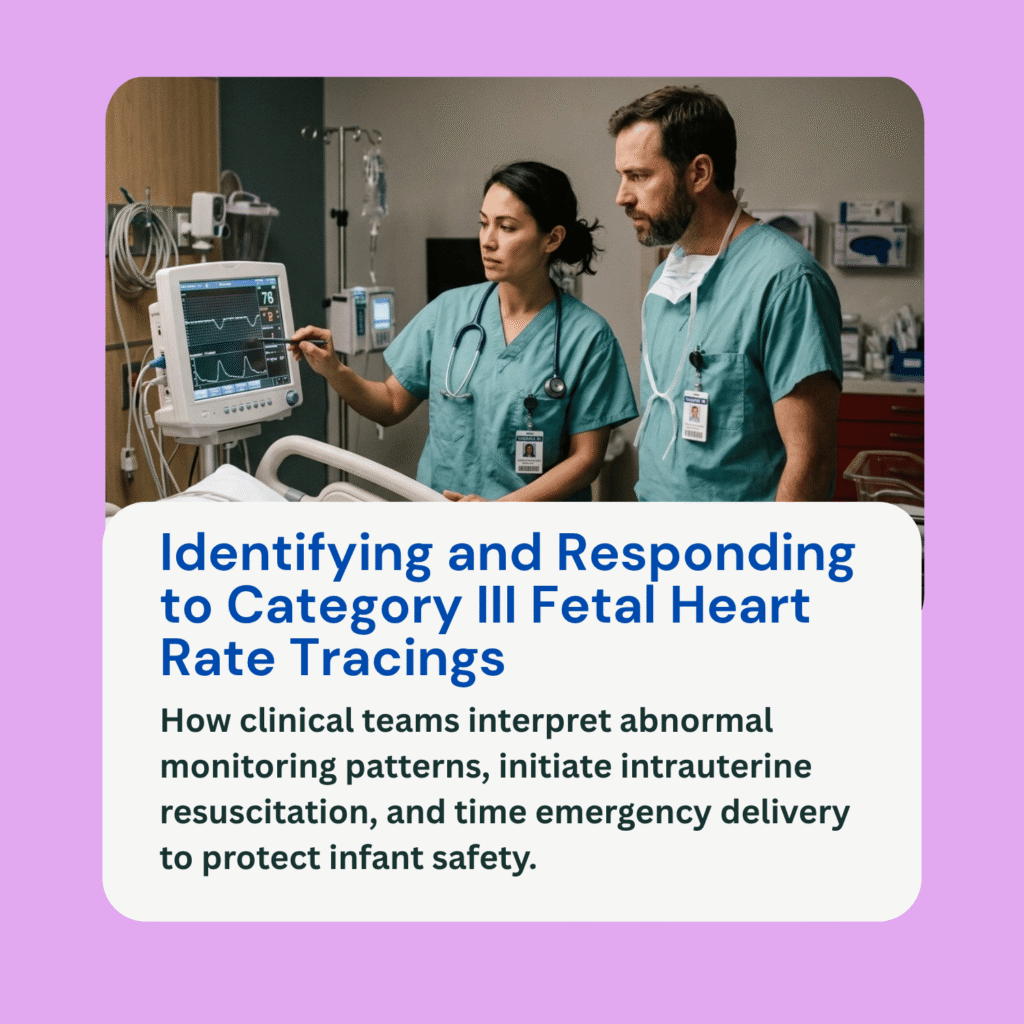
Recognizing the early warning signs of a uterine rupture is the most critical responsibility of a labor and delivery nurse. One of the first indicators is often a sudden and significant change in the fetal heart rate, typically presenting as prolonged bradycardia or deep decelerations. Because the baby is no longer receiving oxygen through the placenta, their heart rate will drop rapidly as they enter a state of acute distress. If the medical staff is not closely monitoring the fetal heart rate strips, they may miss the only window they have to save the child’s life.
For the mother, the symptoms can include sudden, sharp abdominal pain that is distinct from the regular pain of contractions. Many women describe a “tearing” sensation or a feeling that something has gone fundamentally wrong inside their bodies. However, if a mother has an effective epidural, she may not feel this pain, making the electronic fetal monitor the most important tool in the room. Other physical signs include a loss of uterine stationary pressure, a change in the shape of the abdomen, and signs of maternal shock such as a rapid pulse and low blood pressure.
A total uterine rupture is often preceded by a “dehiscence,” which is a partial thinning or opening of a previous scar. If a doctor identifies signs of dehiscence early, they can move to a controlled C-section before a full rupture occurs. The failure to distinguish between normal labor progress and the signs of a failing uterine wall is a frequent point of contention in malpractice litigation. Expert witnesses often review the nursing logs to see if the staff reported these “soft signs” to the attending physician in a timely manner.
The Risks of VBAC and Informed Consent
A Vaginal Birth After Cesarean (VBAC) is a common choice for many women, but it carries a specific risk of uterine rupture at the site of the previous surgical scar. While many VBACs are successful, the medical facility must be “immediately capable” of performing an emergency C-section if the scar fails. The American College of Obstetricians and Gynecologists (ACOG) has established strict guidelines for how these deliveries should be managed. If a hospital allows a VBAC but does not have a surgical team or an anesthesiologist on-site and ready, they are violating the standard of care.
Informed consent plays a massive role in uterine rupture during labor malpractice cases. A doctor must explain the statistical risk of rupture to the mother before she decides to attempt a VBAC. This includes discussing the hospital’s specific ability to handle a crisis and the potential consequences for the baby if a rupture occurs. If a mother was pressured into a VBAC or was not told that the facility lacked 24-hour surgical coverage, her consent was not truly informed. This failure to provide full disclosure can be a strong basis for a legal claim if an injury occurs.
Furthermore, certain factors make a VBAC significantly more dangerous, such as having multiple previous C-sections or a “classical” vertical uterine incision. Doctors are expected to review a patient’s prior operative reports to determine if they are even a candidate for a vaginal trial. If a doctor proceeds with a VBAC for a patient who is clearly at high risk according to medical literature, they are placing the patient in unnecessary danger. A legal review of your prior medical records can often reveal that a VBAC should never have been attempted in your specific case.
Pitocin and the Danger of Hyper-Stimulation
One of the leading causes of preventable uterine rupture is the misuse of labor-inducing drugs, specifically Pitocin (synthetic oxytocin). Pitocin is used to strengthen or speed up contractions, but it must be administered with extreme caution. If the dose is too high or increased too quickly, it can cause “hyper-stimulation” of the uterus. This means the contractions become so frequent and powerful that the uterine muscle does not have time to rest between them, creating immense pressure on the uterine wall.
In a patient with a previous C-section scar, Pitocin-induced hyper-stimulation is like putting too much air into a tire with a patched hole. The intense pressure can cause the scar to burst, leading to a catastrophic rupture. The standard of care requires that if a mother shows signs of hyper-stimulation or fetal distress, the Pitocin must be turned off immediately. If a nurse continues to increase the Pitocin despite signs that the uterus is struggling, they are directly contributing to the risk of a rupture.
Medical malpractice lawyers look closely at the “Pitocin log” to see how the dosage was managed. They compare the time the drug was increased to the time the fetal heart rate began to drop. If there is a clear pattern of the medical team pushing the drug while ignoring the baby’s distress, the case for negligence becomes very strong. Over-medicalizing a labor with high doses of induction drugs is a primary factor in turning a manageable birth into a traumatic emergency.
The “30-Minute Rule” for Emergency C-Sections
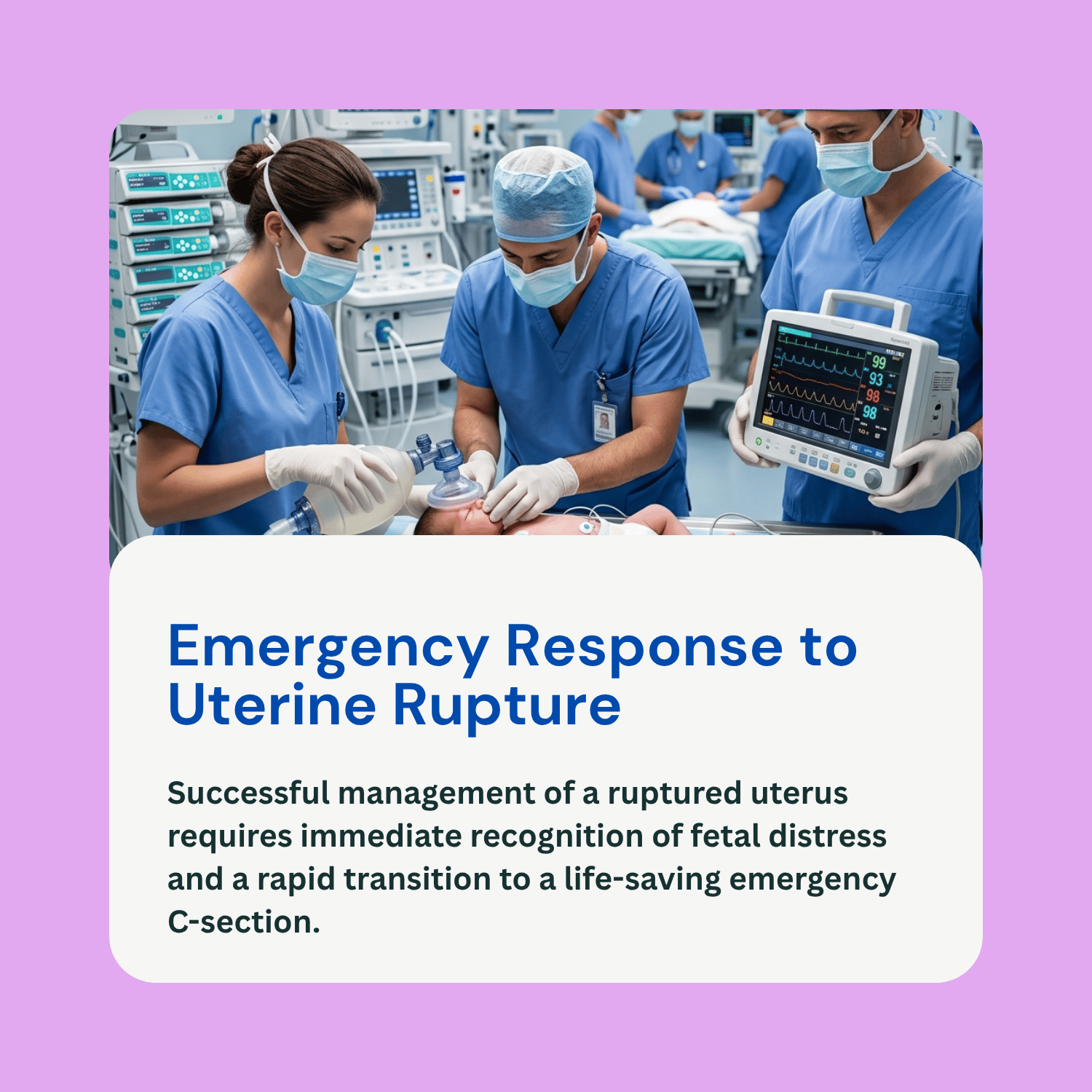
Once a uterine rupture is suspected, the clock starts ticking on what is known as the “decision-to-delivery interval.” While every second counts, the general medical standard is that a hospital should be able to perform an emergency C-section within 30 minutes of the decision to operate. In the case of a total uterine rupture, even 30 minutes may be too long to prevent brain damage, but it remains the benchmark for hospital preparedness. If it takes the medical team 45 or 60 minutes to get the mother into surgery, the delay is often considered negligent.
The causes of these delays are often systemic. It may be that the anesthesiologist was in another building, the operating room was not clean, or the surgeon was not in the hospital at all. Hospitals that offer high-risk labor services are required to have these resources available “around the clock.” If a delay in surgery led to the baby suffering from Hypoxic-Ischemic Encephalopathy (HIE), the hospital can be held liable for the lifetime of care that the child will now require.
Proving a delay requires a meticulous timeline of the events. Your attorney will use the “time stamps” on electronic fetal monitors and hospital logs to reconstruct the minutes leading up to the birth. They will look for gaps in care where the staff was waiting for a doctor to arrive or struggling to find an available room. This evidence is crucial for showing that the injury was not an act of nature, but a result of a slow and disorganized medical response.
Consequences for the Mother: Hemorrhage and Hysterectomy
A uterine rupture is not only a danger to the baby; it is a life-threatening event for the mother. When the uterus tears, the blood vessels that supply the womb are often severed, leading to a massive internal hemorrhage. The mother can lose several liters of blood in a matter of minutes, leading to organ failure and death if not treated immediately. This trauma is a “maternal near-miss” that often leaves the woman with permanent physical and psychological damage.
In many cases, the only way to stop the bleeding and save the mother’s life is to perform an emergency hysterectomy. This is a devastating outcome for a woman, as it permanently ends her ability to have more children and forces her into immediate surgical menopause. The loss of fertility is a significant “damage” in a medical malpractice case. When a hysterectomy could have been avoided through better monitoring or a more timely C-section, the mother is entitled to seek compensation for this life-altering loss.
The recovery from a ruptured uterus and an emergency hysterectomy is long and painful. It often involves multiple blood transfusions, intensive care stays, and long-term hormone replacement therapy. The emotional trauma of nearly dying while giving birth also contributes to the development of birth-related PTSD. A legal claim for uterine rupture during labor malpractice must account for all of these maternal injuries, ensuring that the mother’s suffering is not overshadowed by the baby’s condition.
Neonatal Brain Damage and HIE
When a uterine rupture occurs, the baby is often deprived of oxygen-rich blood, a condition known as birth asphyxia. If the baby is expelled into the abdominal cavity, the placenta may detach entirely, cutting off all oxygen. This leads to Hypoxic-Ischemic Encephalopathy (HIE), which is a type of brain damage that can cause cerebral palsy, cognitive impairments, and motor delays. The severity of the brain damage is directly related to how long the baby was deprived of oxygen before being delivered.
Babies born after a uterine rupture usually require immediate and aggressive resuscitation. They are often transferred to the Neonatal Intensive Care Unit (NICU) and may undergo “cooling therapy” (therapeutic hypothermia) to try and limit the extent of the brain damage. While cooling therapy can be effective, it cannot reverse damage that has already occurred due to a delayed C-section. The cost of caring for a child with a significant brain injury can reach into the tens of millions of dollars over their lifetime.
A lawsuit can provide the funds necessary to pay for this specialized care. This includes home nursing, physical and occupational therapy, speech therapy, and specialized educational programs. Without a settlement, most families cannot afford the level of care their child needs to reach their full potential. Holding the hospital accountable ensures that the child has a secure future, regardless of the parents’ financial situation.
Proving Malpractice in Uterine Rupture Cases
To win a uterine rupture during labor malpractice case in New York, your legal team must prove three things. First, they must show that a doctor-patient relationship existed, which established a duty of care. Second, they must prove that the medical team breached that duty by failing to act as a reasonably competent professional would have in the same situation. Finally, they must prove that this breach of duty directly caused the injuries to the mother or the baby.
Evidence in these cases is highly technical. It includes fetal monitor strips, Pitocin administration records, hospital staffing schedules, and the mother’s prior surgical history. Your attorney will hire expert witnesses—usually board-certified obstetricians and maternal-fetal medicine specialists—to review the records. These experts will testify about exactly when the medical team should have recognized the danger and what they should have done differently to prevent the rupture or the resulting injuries.
New York law also requires a “Certificate of Merit” to be filed with the lawsuit. This is a document signed by your attorney stating that they have consulted with a medical expert who believes there is a reasonable basis for the claim. This step prevents frivolous lawsuits and ensures that every case that moves forward has a foundation in medical science. Because of these requirements, it is essential to work with a law firm that has the resources to hire the best experts in the country.
Seeking Justice for a Preventable Crisis
If your family has been devastated by a uterine rupture, you are likely dealing with a mountain of medical bills and a long road to recovery. It is important to remember that you do not have to carry this burden alone. The legal system is designed to provide a way for families to get the support they need when medical professionals fail to meet their obligations. Seeking a legal review of your case is not about being “litigious”; it is about protecting your child’s future and ensuring they have the resources to thrive.
A birth injury lawyer who understands the complexities of uterine rupture during labor malpractice can provide the guidance you need. They can handle the difficult work of investigating the hospital, talking to experts, and navigating the New York court system. This allows you to focus on your family and your own healing process. Many families find that the process of seeking accountability helps them find the closure they need after such a terrifying experience.
Your journey toward justice starts with a conversation. By sharing your story with a qualified attorney, you are taking the first step toward uncovering the truth and securing the help your family deserves. Whether you delivered at a private hospital or a public facility like NYC Health + Hospitals, your rights are the same. You deserve a legal team that will fight as hard for your family as you have since that traumatic day in the delivery room.
Frequently Asked Questions
Yes, although it is much rarer. An “unscarred” uterine rupture can be caused by the extreme use of Pitocin, physical trauma to the abdomen, or certain congenital abnormalities of the uterus. When it happens to a woman without a previous scar, it is often even more difficult for the medical team to diagnose, making the monitoring of fetal distress even more critical.
In many cases, yes. If a hospital advertises as a high-risk birth center or offers VBAC services, they are often required to have a surgeon “immediately available.” If the surgeon was at home and it took them too long to arrive, causing an injury to the baby, the hospital can be held liable for “corporate negligence” or for the actions of their staff.
A review of the fetal monitor strips and the IV pump records will show if your contractions were too frequent (tachysystole) and if the nurse continued to increase the drug despite this. If the rupture occurred during a period of hyper-stimulation caused by the drug, there is a high probability that the Pitocin was a contributing factor.
For the mother’s injuries, you generally have two years and six months from the date of the rupture. For the child’s injuries, the deadline can be extended up to 10 years, but you should never wait. If the hospital is a public or city-run facility, you must file a Notice of Claim within 90 days.
Sometimes. If the tear is clean and the bleeding can be controlled quickly, a surgeon may be able to sew the uterus back together. However, the risk of a repeat rupture in a future pregnancy is very high, and many women are advised not to carry another child after a significant uterine rupture.
Compensation can include the physical pain of the surgery, the emotional distress of losing your fertility, and the cost of future hormone treatments. In New York, juries recognize the profound impact that a loss of fertility has on a woman’s life and can award significant non-economic damages for this injury.
Doctors often use this phrase to avoid admitting that a mistake was made. While a rupture is a biological event, the response to that event is a medical duty. If the team failed to monitor you or delayed your surgery, the “act of God” excuse does not protect them from legal liability for the resulting injuries.