
Baby Not Moving One Arm After Birth: Signs of Nerve Injury
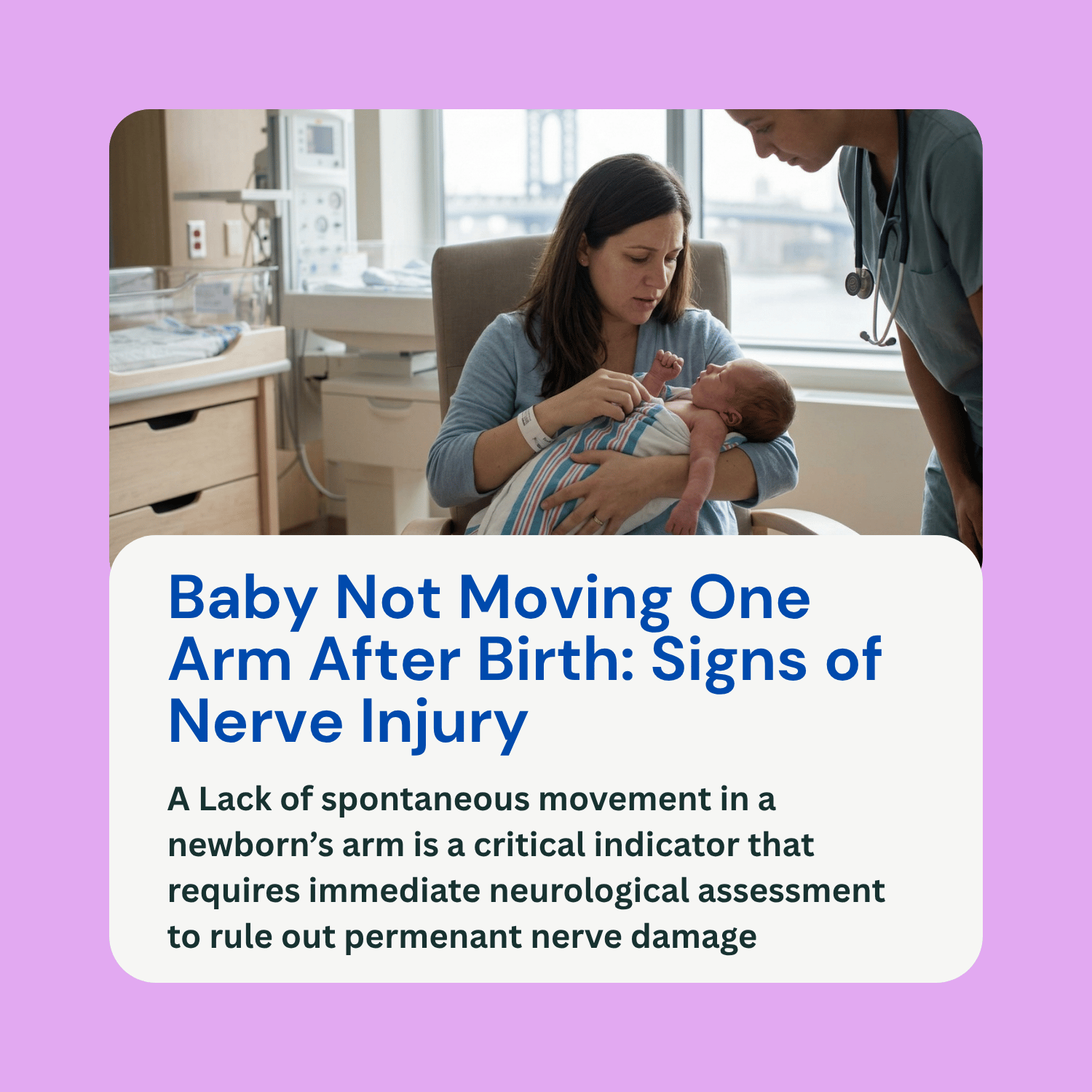
Noticing that your newborn is not moving one of their arms can be a deeply alarming experience for any parent. In the quiet moments after delivery, you may observe that while one arm is moving vigorously, the other remains limp at the baby’s side. This lack of movement, often referred to as “pseudoparalysis,” is frequently a sign that the baby sustained a physical injury during the labor and delivery process. While some of these injuries are minor and temporary, others indicate severe damage to the nerves or bones that requires immediate medical attention. Understanding why your baby is not moving one arm after birth is the first step in ensuring they receive the correct treatment and that your family’s legal rights are protected.
Table of Contents
- Early Warning Signs: What to Look For
- The Moro Reflex: A Key Diagnostic Tool
- Differentiating Between Nerve Damage and Bone Fractures
- Common Causes: Shoulder Dystocia and Birth Trauma
- The Importance of Early Pediatric Neurology Referral
- Documenting the Injury for a Malpractice Claim
- Your Legal Options in New York State
- Frequently Asked Questions
Early Warning Signs: What to Look For
In the first few days of life, babies typically have a “flexed” posture, meaning their arms and legs are naturally pulled toward their chest. If you notice that one arm is consistently extended and seems to have no muscle tone, this is a significant clinical finding. You may also observe that the baby does not use the affected arm to reach toward their face or to grasp your finger. This asymmetry in movement is often the most obvious sign that something went wrong during the delivery process.
Another sign to watch for is the position of the hand and wrist. If the arm is hanging straight and the wrist is turned backward in what doctors call the “waiter’s tip” position, it is a classic indicator of Erb’s palsy. You should also pay attention to the baby’s level of comfort; if they cry or seem to be in pain when the arm is moved by a nurse or during a diaper change, it may suggest a fracture. Conversely, a total lack of sensation or reaction to touch in the arm suggests a more profound nerve injury.
Parents are often the first to notice these issues, even before the hospital staff. Do not let your concerns be dismissed by medical providers who claim that the baby is “just tired” or that “all babies develop differently.” If you see a consistent lack of movement in one limb, you must insist on a formal evaluation by a neonatologist. Early documentation of these symptoms is vital for both the medical treatment of your child and any potential legal action you may need to take later.
The Moro Reflex: A Key Diagnostic Tool
One of the most important ways that doctors check for birth injuries is by testing the “Moro reflex,” also known as the startle reflex. This reflex is present in all healthy newborns and occurs when the baby feels as though they are falling or is startled by a loud noise. In a normal response, the baby will throw back their head, extend both arms and legs, and then pull them back in. If the baby only extends one arm while the other remains still, it is a definitive sign of a neurological or skeletal problem.
An asymmetrical Moro reflex is a major “red flag” that indicates the nerves of the brachial plexus have been damaged. The doctor will look to see if the baby can at least move their fingers or if the entire limb is unresponsive. If the reflex is missing entirely on one side, it suggests that the electrical signals from the brain are not reaching the muscles of that arm. This test is simple, non-invasive, and should be performed during the baby’s very first physical exam in the nursery.
In many baby not moving one arm after birth cases, the medical records will show that the Moro reflex was “absent” or “diminished” on the affected side. If your child’s records show this finding, but the doctor did not explain why it happened, it may indicate that they were trying to downplay a birth injury. A legal expert will look specifically for these reflex tests to establish a timeline of when the injury was first discovered by the hospital staff.
Differentiating Between Nerve Damage and Bone Fractures
When a baby is not moving their arm, the two most common causes are a brachial plexus nerve injury or a fractured clavicle (collarbone). A fractured clavicle is a relatively common birth injury that occurs when the baby’s shoulder is squeezed through the birth canal. While a fracture is painful, it usually heals perfectly on its own within a few weeks with simple immobilization. A nerve injury, however, is much more serious and can lead to permanent paralysis if the nerves were torn or avulsed during the delivery.
To tell the difference, doctors will often order an X-ray to look for a break in the bone. If the X-ray is clear but the baby still cannot move the arm, the diagnosis shifts toward a nerve injury like Erb’s palsy. It is also possible for a baby to have both a fracture and a nerve injury simultaneously, which often suggests that an extreme amount of force was used during the birth. In these cases, the fracture may actually be the result of the doctor’s attempts to resolve a shoulder dystocia.
If your baby was diagnosed with a “broken bone” but continues to have weakness in the arm months later, the original diagnosis may have been incomplete. Nerve damage is often hidden behind the symptoms of a fracture, and it requires a different set of diagnostic tests like an EMG or an MRI to identify. Ensuring your child gets the right imaging early on is essential for determining the long-term outlook for their recovery.
Common Causes: Shoulder Dystocia and Birth Trauma
The most frequent cause of a limp arm at birth is the mismanagement of shoulder dystocia. As we have explored in our previous guides, this happens when the baby’s head is delivered but the shoulders remain stuck behind the mother’s pelvis. If the obstetrician panics and pulls on the baby’s head to free the body, they stretch the brachial plexus nerves in the neck. This “excessive traction” is a direct violation of medical standards and is the primary cause of permanent arm paralysis in newborns.
Other causes of arm immobility include the improper use of forceps or vacuum extractors. These tools are designed to assist the baby through the birth canal, but if they are placed incorrectly or used with too much force, they can compress the nerves in the baby’s neck and face. Sometimes, a lack of movement can also be caused by a “breech” delivery, where the baby is born feet-first and the arms become extended over the head, leading to a stretch injury. Regardless of the specific scenario, the common thread is often a lack of patience or skill on the part of the medical team.
In a New York malpractice investigation, the “delivery note” is scrutinized to see if the doctor mentioned any difficulty delivering the shoulders. Often, the records are vague, but the physical reality of a baby not moving their arm speaks louder than the written chart. If your delivery was described as “difficult” or “traumatic,” and your baby was born with a limp arm, there is a high probability that medical negligence played a role.
The Importance of Early Pediatric Neurology Referral
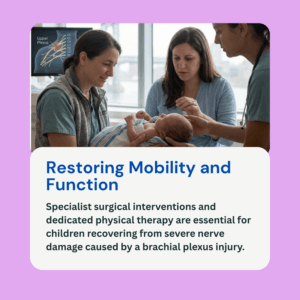
If your baby is diagnosed with a suspected nerve injury, they should be referred to a pediatric neurologist or a specialist brachial plexus clinic as soon as possible. The first few months of life are a critical window for neurological recovery. A specialist will perform more advanced testing to determine if the nerves are simply bruised or if they have been completely severed. They will also coordinate the physical therapy that is necessary to prevent the baby’s joints from becoming stiff and permanently contracted.
Many parents are told to “wait and see” for six months, but this is often poor advice. While many nerve injuries do show improvement on their own, a specialist can identify early on if the baby is a candidate for nerve graft surgery. This surgery is most effective when performed between three and six months of age. If you wait too long to see a specialist, your child may miss the opportunity for a surgical intervention that could have restored significant function to their arm.
In New York, we have some of the best pediatric neurologists in the world at institutions like Mount Sinai and Columbia University. If your hospital did not provide a referral to one of these specialists, they may have been trying to limit their own liability by keeping the injury “in-house.” You have the right to seek a second opinion and to ensure that your child is being seen by the best experts available.
Documenting the Injury for a Malpractice Claim
From the moment you notice your baby is not moving one arm after birth, you should begin keeping your own records. Start a “birth injury journal” where you record the names of the doctors and nurses involved in the delivery, the specific comments they made about the birth, and the dates of all follow-up appointments. Take photos and videos of the baby’s arm to show the lack of movement and the specific “waiter’s tip” position. This visual evidence can be incredibly powerful in a courtroom, as it shows the reality of the injury in a way that medical records cannot.
You should also request a complete copy of the mother’s and the baby’s medical records from the hospital. Be sure to ask for the “electronic fetal monitor strips,” which are the long printouts of the baby’s heart rate during labor. These strips often contain the evidence of fetal distress that preceded the traumatic delivery. Hospitals are required by law to provide these records to you, although they may charge a small fee for the copies.
Finally, keep track of all the expenses related to the injury. This includes co-pays for physical therapy, the cost of traveling to specialists, and any specialized clothing or equipment you have had to purchase. These “out-of-pocket” costs are part of the economic damages that can be recovered in a lawsuit. Proper documentation from day one ensures that your legal team has the strongest possible foundation for your case.
Your Legal Options in New York State
If your baby’s arm injury was caused by medical negligence, you have the right to seek compensation through a medical malpractice lawsuit. In New York, these cases are designed to provide for the lifetime of care that a child with a permanent injury will require. This includes the cost of multiple surgeries, years of occupational therapy, and the loss of future income if the child cannot use their arm for work as an adult.
The legal process begins with a thorough review of the medical records by a birth injury attorney and an independent medical expert. If the expert confirms that the doctor used excessive force or failed to follow the standard of care, a lawsuit is filed. Most of these cases are settled before they ever reach a trial, providing the family with the funds they need to support their child’s development. Because New York has a 10-year statute of limitations for child injuries, you have time to see how the injury progresses before making a final decision.
However, if your baby was born at a city-run hospital, remember that you must file a Notice of Claim within 90 days. This is a strict procedural requirement in New York that can disqualify even the most severe injury cases if it is missed. Whether you delivered at a private or public hospital, the first step is always the same: consult with a specialized lawyer who can explain the specific rules that apply to your situation.
Frequently Asked Questions
1. Is it normal for a baby to keep one arm still after birth?
No, it is not normal. While newborns don’t have perfect control over their limbs, they should show symmetrical movement in both arms. If one arm is consistently still while the other is moving, it is a sign of a physical injury or a neurological issue that requires immediate investigation.
2. Can Erb’s palsy be cured?
Many children with Erb’s palsy recover significantly through physical therapy, and some regain full function. However, if the nerves were torn or avulsed, the damage is permanent. In these cases, surgery can improve function, but the arm may always be weaker or have a limited range of motion compared to the healthy arm.
3. How long should I wait to see if the arm starts moving?
You should not wait. If you notice a lack of movement, you should bring it to the attention of the pediatrician immediately. While some “stretches” heal quickly, early intervention with physical therapy is essential for preventing the muscles from shrinking (atrophy) and the joints from becoming stiff.
4. What if the doctor said it’s “just a bruised nerve”?
A “bruised nerve” (neurapraxia) is the mildest form of a brachial plexus injury and usually heals in a few months. However, you should still have the baby monitored by a specialist to ensure that the “bruise” isn’t actually a more serious tear. If the movement doesn’t return within a few weeks, the injury is likely more than just a bruise.
5. Can I sue if my baby’s arm injury was temporary?
You can, but it may not be financially practical. Medical malpractice cases are extremely expensive to litigate. If the injury heals completely within a few months, the “damages” (the cost of the injury) may not be high enough to justify the cost of the lawsuit. Most birth injury lawyers focus on cases where the injury is permanent or requires surgery.
6. Will my child need surgery if their arm isn’t moving?
Not necessarily. Surgery is usually reserved for cases where there is no significant improvement after three to six months of physical therapy. A neurologist will use an EMG (electromyogram) to see if the nerves are sending any signals to the muscles before deciding if surgery is the best option.
7. Why didn’t the hospital tell me my baby was injured?
Unfortunately, some medical providers are hesitant to admit that a birth injury occurred because they fear legal repercussions. They may use vague language like “weakness” or “slow to move” instead of “paralysis” or “nerve damage.” This is why it is so important for parents to be observant and to seek independent medical advice.
Moving Forward with Confidence
Discovering that your baby is not moving one arm after birth is a heavy emotional burden, but you do not have to carry it alone. By educating yourself on the signs of nerve injury and the standards of medical care, you are already becoming a better advocate for your child. Your focus should remain on your baby’s physical therapy and daily care, but you must also keep an eye on the legal clock to ensure your family’s future is secure.
The path to recovery for a brachial plexus injury is often a marathon, not a sprint. There will be milestones of progress followed by periods of frustration, but with the right medical team and a dedicated legal partner, your child can lead a vibrant and successful life. Accountability for medical mistakes is not just about the past; it is about building a safer future for your child and for every other family that enters a New York delivery room.
Reach out to a professional who understands both the medicine and the law of birth injuries. They can provide the clarity and support you need to navigate this difficult chapter of your life. Whether you are seeking a second medical opinion or a legal evaluation, the most important thing is to take that first step toward answers. Your child’s future is worth the effort, and justice is the foundation upon which that future is built.