
Birth Asphyxia Medical Malpractice: Causes, Signs, and Legal Rights
Birth asphyxia is a medical condition that occurs when a baby is deprived of adequate oxygen before, during, or immediately after the delivery process. While the human body has a limited capacity to withstand brief periods of reduced oxygen, prolonged deprivation can lead to catastrophic damage to the brain and other vital organs. This lack of oxygen is often the common denominator in the most severe birth injury cases, leading to a condition known as Hypoxic-Ischemic Encephalopathy (HIE). When birth asphyxia is the result of a medical professional’s failure to monitor fetal health or respond to an emergency, it is considered a form of medical malpractice.
Table of Contents
- Understanding the Mechanism of Birth Asphyxia
- Fetal Monitoring and the Failure to Intervene
- The Link Between Traumatic Delivery and Oxygen Loss
- Apgar Scores and Cord Gas Analysis: Clinical Evidence
- Hypoxic-Ischemic Encephalopathy (HIE) and Long-Term Damage
- Neonatal Resuscitation: The Duty of the Pediatric Team
- Legal Recourse for Families in New York
- Frequently Asked Questions
Understanding the Mechanism of Birth Asphyxia
The biological process of birth asphyxia involves a decrease in oxygen (hypoxia) or a complete lack of oxygen (anoxia) combined with a reduced blood flow (ischemia) to the baby’s brain. During a healthy labor, the placenta and umbilical cord provide a continuous stream of oxygenated blood to the infant. However, various complications can disrupt this lifeline, forcing the baby’s body to divert blood to the brain and heart at the expense of other organs. If the oxygen deprivation continues for too long, even the brain’s compensatory mechanisms fail, leading to the death of brain cells and permanent neurological impairment.
Medical professionals are trained to recognize that time is the most critical variable when dealing with asphyxia. The brain is the most oxygen-sensitive organ in the body, and even a few minutes of total anoxia can cause irreversible lesions. This is why the management of labor requires constant vigilance and an immediate transition to a higher level of care if the baby’s status changes. When a hospital’s internal systems fail or a doctor delays a necessary intervention, they are directly responsible for the duration of the asphyxia and the resulting damage.
In many cases of birth asphyxia medical malpractice, the injury is not caused by a single catastrophic event but by a slow “simmering” hypoxia that is ignored. A baby may be struggling for hours with a compressed cord or a failing placenta while the medical team assumes that labor is progressing normally. This cumulative oxygen debt is often more damaging than a sudden, brief event because it depletes the baby’s physiological reserves. Identifying this slow progression through medical records is a hallmark of a successful birth injury investigation.
Fetal Monitoring and the Failure to Intervene
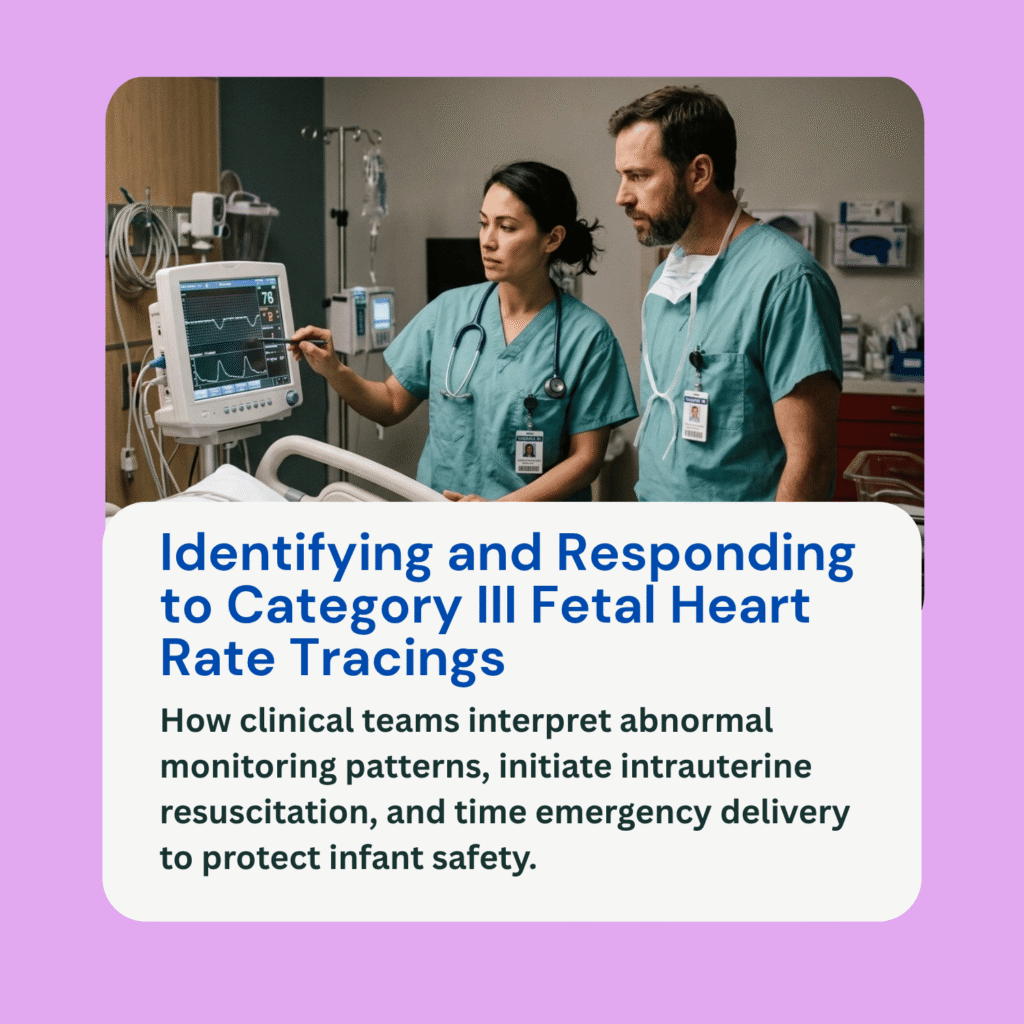
The primary tool used to prevent birth asphyxia in modern hospitals is the electronic fetal monitor (EFM). This device tracks the baby’s heart rate and the mother’s contractions, providing a real-time visual representation of how the baby is tolerating the stress of labor. A healthy baby will have a heart rate that shows “variability” and “accelerations,” indicating a robust nervous system and adequate oxygenation. Conversely, certain patterns, such as late decelerations or a loss of variability, are clear warning signs that the baby is in distress and potentially suffering from asphyxia.
Malpractice often occurs when the nursing staff or physicians fail to correctly interpret these monitor strips. In many busy New York hospitals, a single nurse may be monitoring multiple patients, leading to “alarm fatigue” or missed signals. If the monitor shows that a baby is in “Category II” or “Category III” distress, the medical team is required by the standard of care to take immediate action. This may involve repositioning the mother, providing oxygen, or, if these measures fail, performing an emergency cesarean section.
When a lawsuit is filed, the fetal monitor strips are the most important piece of evidence. Experts will review every minute of the tracings to determine exactly when the signs of distress began and how long the medical team waited to act. If there is a gap of thirty minutes or an hour between the onset of severe decelerations and the delivery of the baby, the hospital is likely liable for the resulting asphyxia. The failure to intervene in the face of clear distress is a fundamental breach of medical duty.
The Link Between Traumatic Delivery and Oxygen Loss
As we have discussed in previous guides, traumatic delivery events such as uterine rupture or umbilical cord prolapse are direct causes of acute birth asphyxia. In a cord prolapse, the umbilical cord drops into the birth canal ahead of the baby and becomes compressed by the baby’s head, effectively cutting off all oxygen. This is a “surgical emergency” that requires the doctor to physically hold the baby’s head off the cord while rushing the mother to the operating room. Any delay in this process will lead to profound asphyxia and potential brain death.
Similarly, a uterine rupture or a placental abruption creates an immediate loss of the baby’s oxygen source. These events are often accompanied by maternal hemorrhage, which further reduces the blood pressure and oxygen levels available to the infant. The standard of care in these scenarios is absolute: the baby must be delivered as fast as humanly possible. If a hospital is understaffed or the surgical team is not available, the minutes lost can result in a lifetime of disability for the child.
Forceps and vacuum extractors can also contribute to asphyxia if they are used improperly. If an operative delivery is attempted for too long without success, the baby is subjected to repeated trauma and prolonged compression. This “failed instrumental delivery” often wastes precious time that should have been spent on a C-section. In the context of birth asphyxia medical malpractice, the choice to use force instead of surgery is a common point of negligence that lawyers investigate.
Apgar Scores and Cord Gas Analysis: Clinical Evidence
Following a birth involving asphyxia, there are several clinical markers that doctors use to assess the severity of the injury. The first is the Apgar score, which is a quick assessment of the baby’s heart rate, breathing, muscle tone, reflex irritability, and color at one and five minutes after birth. A low Apgar score (usually below 3 or 4) is a significant indicator that the baby suffered from a lack of oxygen during the delivery process. While a low score at one minute is common, a persistently low score at five and ten minutes is highly correlated with long-term neurological damage.
Another critical piece of evidence is the umbilical cord blood gas analysis. Immediately after birth, a sample of blood is taken from the umbilical cord to measure the pH level and the presence of “base excess.” A low pH (acidosis) indicates that the baby’s body was forced to switch to anaerobic metabolism because of a lack of oxygen, leading to a buildup of lactic acid. This objective chemical evidence is often the “smoking gun” in an HIE lawsuit, as it proves the timing and severity of the oxygen deprivation.
Hospitals are sometimes accused of failing to perform these tests or losing the results when a bad outcome occurs. This is because cord gas results are difficult to dispute in court; they provide a biological snapshot of the baby’s distress. If your child had low Apgar scores and required immediate intubation or resuscitation, it is essential that your legal team secures these lab reports as soon as possible. These numbers provide the foundation for proving that the asphyxia occurred during the window of time when the doctors were responsible for the baby’s safety.
Hypoxic-Ischemic Encephalopathy (HIE) and Long-Term Damage
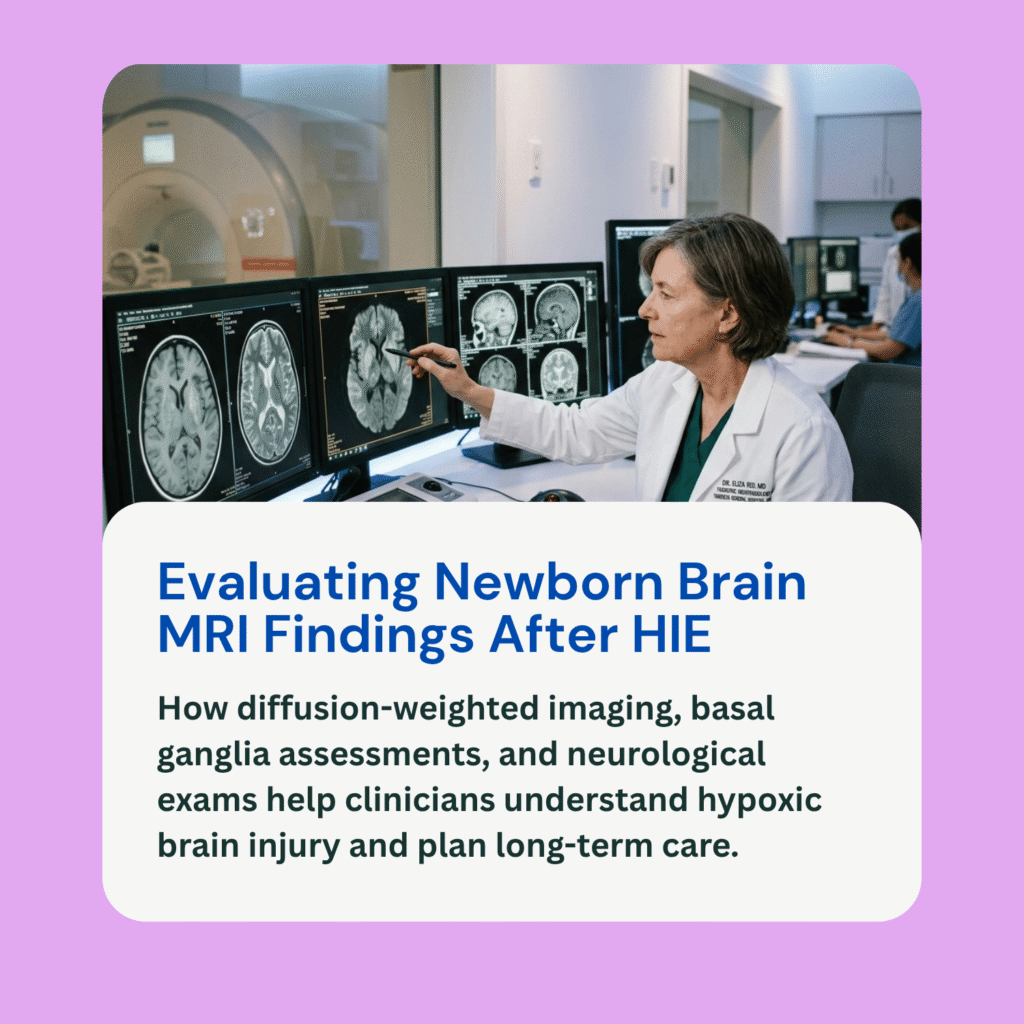
Hypoxic-Ischemic Encephalopathy (HIE) is the clinical diagnosis for brain dysfunction caused by birth asphyxia. HIE is categorized into three stages: mild (Stage I), moderate (Stage II), and severe (Stage III). While babies with mild HIE may recover fully, those with moderate to severe HIE face a high risk of permanent disabilities such as cerebral palsy, epilepsy, and cognitive impairments. The damage from HIE is often progressive, as a second wave of cell death (reperfusion injury) can occur hours after the initial oxygen supply is restored.
The long-term effects of HIE are often not fully understood until the child reaches school age. While physical disabilities like spasticity are often apparent early on, cognitive delays and learning disabilities may take years to manifest. This is why New York law allows for an extended statute of limitations for child birth injuries. A family might realize when their child is five or six years old that the “mild” oxygen deprivation at birth actually caused significant developmental hurdles that will require a lifetime of support.
Families dealing with HIE face an emotional and financial mountain. The cost of speech therapy, occupational therapy, and specialized medical equipment can be staggering. When this condition was preventable, the law provides a way to shift that financial burden onto the negligent hospital. A successful lawsuit ensures that the child has access to the best possible care, which can significantly improve their quality of life and level of independence as they grow.
Neonatal Resuscitation: The Duty of the Pediatric Team
The responsibility of the medical team does not end the moment the baby is delivered. If a baby is born blue, limp, or not breathing, the neonatal resuscitation team must act immediately to restore oxygenation. This process involves a series of steps: clearing the airway, providing positive pressure ventilation, and, if necessary, performing chest compressions and administering epinephrine. The failure to have a qualified resuscitation team present at a high-risk birth is a major form of hospital negligence.
One of the most important modern treatments for birth asphyxia is “therapeutic hypothermia” or brain cooling. This involves lowering the baby’s body temperature for 72 hours to slow down the metabolic rate and reduce the “secondary” brain damage that occurs after the initial asphyxia. There is a strict “six-hour window” to begin cooling therapy for it to be effective. If a hospital fails to recognize the signs of asphyxia or delays transferring the baby to a facility with a cooling blanket, they have missed a critical opportunity to mitigate the damage.
In a malpractice claim, the actions of the pediatricians and NICU staff are scrutinized just as much as the obstetricians. If the resuscitation was disorganized or if the intubation was delayed, these errors contribute to the total duration of the oxygen deprivation. Every second that a baby is not breathing after birth adds to the injury. Proving that the postnatal care was substandard is a vital part of a comprehensive birth injury case.
Legal Recourse for Families in New York
New York has a robust legal framework for protecting families who have been affected by birth asphyxia medical malpractice. These cases are often high-value because the damages—the lifetime cost of care for a child with a brain injury—are so high. To win a case, you must prove that the medical provider deviated from the “standard of care” and that this deviation was the “proximate cause” of the asphyxia. This requires a team of legal and medical experts who can explain complex biology to a jury in a clear and compelling way.
Compensation in an HIE case can include millions of dollars for future medical care, home modifications, and specialized vehicles. It also covers the “lost earnings” the child will suffer because they may never be able to enter the traditional workforce. Additionally, New York allows for substantial awards for the child’s pain and suffering and loss of enjoyment of life. These funds are typically placed in a “Special Needs Trust” to ensure they are used exclusively for the child’s benefit while preserving their eligibility for government programs.
If you suspect your child’s injury was caused by oxygen deprivation, you should not wait to investigate. Medical records can be lost, and witnesses’ memories fade over time. A birth injury lawyer can help you obtain the fetal monitor strips and cord gas results to see if there is evidence of negligence. Taking action is the first step toward securing your child’s future and ensuring they have every resource they need to overcome the challenges caused by birth asphyxia.
Frequently Asked Questions
1. Can birth asphyxia happen even if the pregnancy was healthy?
Yes. Many cases of asphyxia occur during the “active phase” of labor in pregnancies that were previously considered low-risk. Complications like a knotted cord, a sudden abruption, or a failure of the baby to progress through the birth canal can happen unexpectedly, making the hospital’s monitoring and response time the most important factor.
2. Is HIE the same thing as cerebral palsy?
Not exactly. HIE is the cause or the process of brain damage, while cerebral palsy (CP) is the result. Many children with HIE will develop cerebral palsy, which is a permanent disorder of movement and posture. However, some children with HIE may have other outcomes, such as epilepsy or cognitive delays without physical CP.
3. How soon after birth can you tell if a baby has brain damage?
While severe damage can sometimes be seen on an early MRI or through seizures in the NICU, the full extent of the damage often takes months or years to become clear. Doctors look for “missed milestones,” such as a baby not rolling over, sitting up, or crawling on schedule, as indicators of neurological issues stemming from birth asphyxia.
4. What is “cooling therapy” and how does it help?
Therapeutic hypothermia (cooling therapy) is a treatment where the baby’s temperature is reduced to about 33.5°C. This slows down the chemical reactions in the brain that cause cell death following an oxygen-depriving event. It is currently the only treatment proven to reduce the risk of death and disability in babies with moderate to severe HIE.
5. What happens if the cord gas pH was normal but my baby has HIE?
While a low pH is strong evidence of asphyxia, a normal pH does not automatically rule out malpractice. There are cases where the asphyxia was so sudden or happened in a way that the cord blood did not capture the acidosis. A complete legal review will look at the fetal monitor strips, the Apgar scores, and the baby’s clinical symptoms in the first 24 hours of life.
6. Can I sue for birth asphyxia if my baby was born at home?
It is much more difficult to sue for a home birth because the “standard of care” for a midwife in a home setting is different from a doctor in a hospital. However, if a midwife failed to recognize signs of distress or delayed a transfer to a hospital once an emergency occurred, they may still be liable for the resulting injury.
7. How long does a birth asphyxia lawsuit take in New York?
These cases are complex and usually take several years to resolve. They involve extensive “discovery,” where medical records are exchanged and experts are deposed. However, a dedicated law firm will handle all the work and costs associated with the case, allowing the family to focus on their child’s daily care.
A Path Forward for Your Family
The diagnosis of HIE or birth asphyxia is a life-changing moment for any parent. It is natural to feel overwhelmed and to wonder what the future holds for your child. It is important to know that you are not alone and that there is a community of experts, therapists, and legal professionals dedicated to helping families like yours. By seeking the truth about your delivery, you are taking a powerful step toward ensuring your child has the support they deserve.
Justice in a birth injury case is about more than just a settlement; it is about accountability and preventing the same mistakes from happening to another family. When hospitals are held responsible for failing to monitor or respond to oxygen deprivation, it forces them to improve their protocols and training. Your voice can lead to systemic changes that make labor and delivery safer for everyone.
Do not be afraid to ask difficult questions of your medical providers and to seek a second opinion from legal experts. You have a right to know if your child’s injury was preventable and what can be done to help them now. Your child’s potential is not defined by their diagnosis, and with the right resources, they can live a life full of meaning and joy. Your journey toward healing and justice begins with the search for answers.