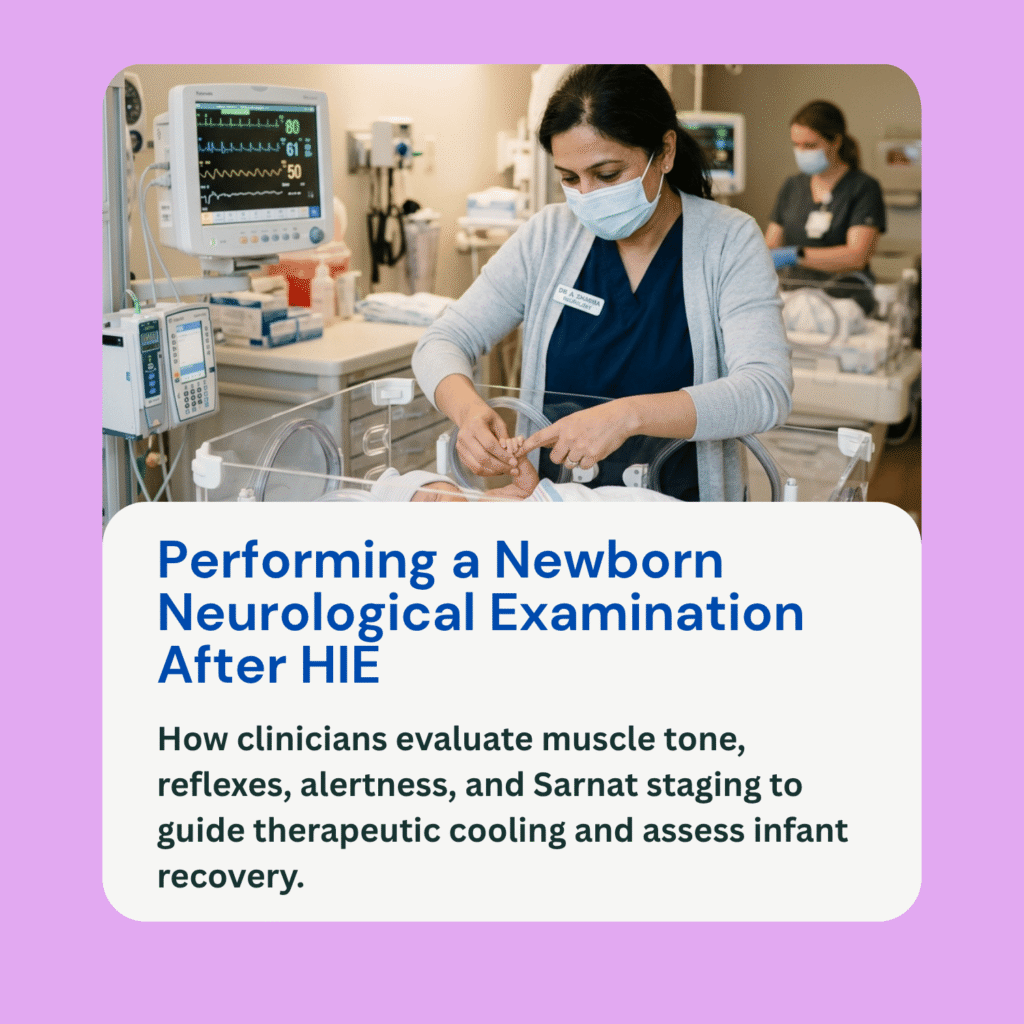
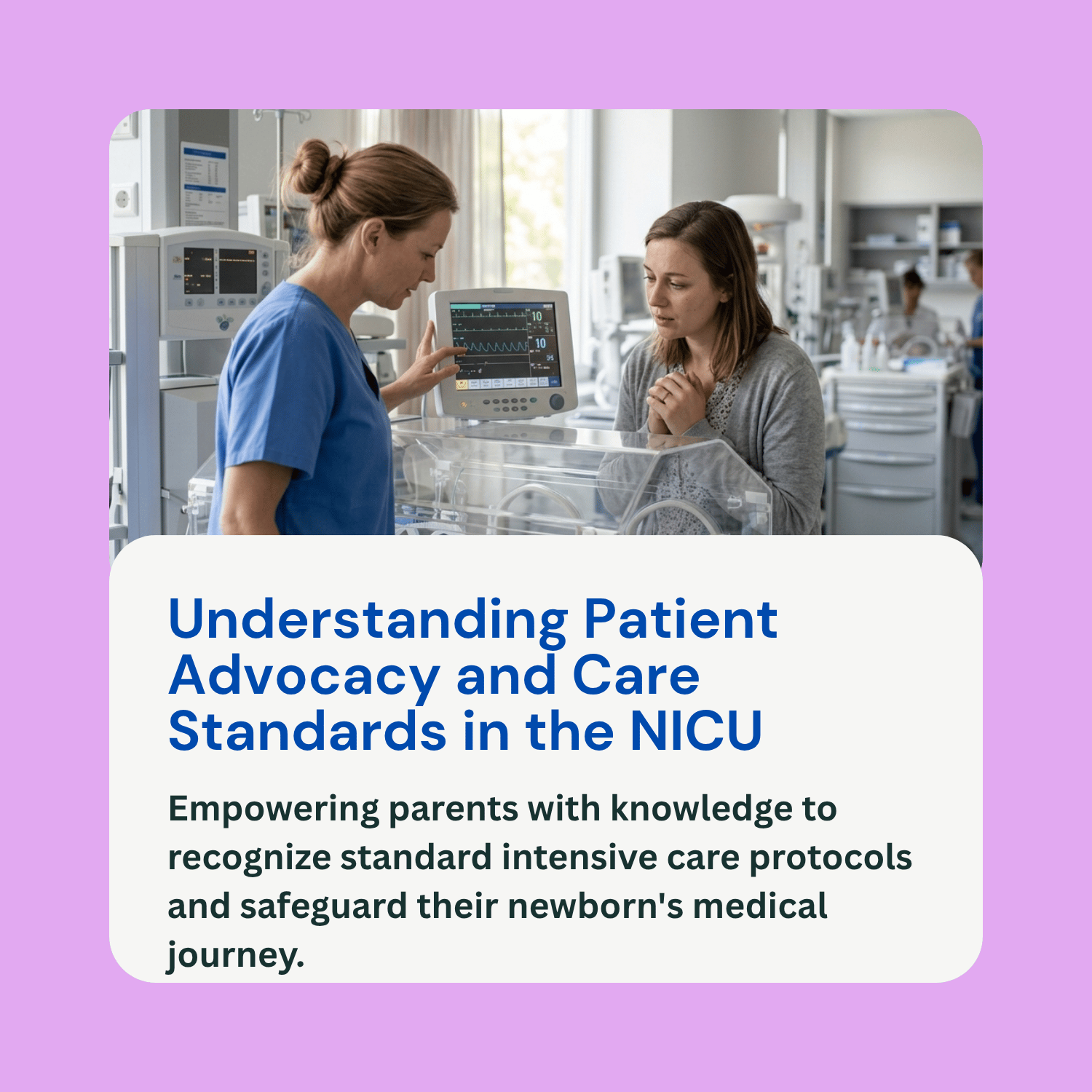

What Parents Should Know About NICU Negligence
The Neonatal Intensive Care Unit (NICU) is a highly specialized environment designed to provide life-saving care to vulnerable newborns. When a premature infant or a baby with severe birth complications is admitted, parents place immense trust in the medical team. The advanced technology, specialized medication protocols, and 24-hour monitoring are supposed to offer a safe haven. However, because the patients in this unit are fragile and entirely defenseless, the standard of care must be exceptionally high. When a breakdown in this care occurs, NICU negligence can lead to devastating, long-term health consequences.
Learning that your child’s worsening condition might have been preventable is an incredibly heavy burden. This guide is written to help families process these complex circumstances in a calm, clear, and educational manner. By understanding the common systemic errors, how medical teams are supposed to manage fragile infants, and the signs that point toward potential NICU negligence, parents can better navigate their child’s medical journey and advocate for the care they deserve.
Understanding the Complex Vulnerabilities of NICU Patients
A NICU patient’s physiology is uniquely delicate. Whether an infant is born prematurely or has suffered an intrapartum injury like oxygen deprivation, their organs are underdeveloped and exceptionally sensitive to micro-changes in their environment. A minor blood pressure fluctuation, a brief dip in oxygen saturation, or a small dosing discrepancy that a full-term child or adult could easily tolerate can cause severe structural damage to a newborn.
Because of this extreme fragility, neonatologists, pediatric subspecialists, and neonatal nurses must adhere to strict clinical protocols. When a medical team fails to follow these established guidelines—either through oversight, understaffing, or poor communication—it rises to the level of NICU negligence. Understanding that the margin for error in neonatal care is virtually nonexistent helps clarify why strict adherence to medical standards is mandatory, not optional.
Common Forms of Medical Errors in Neonatal Care
Medical mistakes in an intensive care setting are rarely intentional, but intent does not change the impact on a developing infant. When investigating potential NICU negligence, pediatric medical experts generally look at a few specific categories of clinical failure:
1. Medication and Dosage Errors
Newborns require highly precise medication calculations based entirely on their exact weight in kilograms. Because their livers and kidneys are too immature to filter out toxins efficiently, a decimal point error on a prescription can mean the difference between a therapeutic cure and organ toxic poisoning. This includes errors in administering antibiotics, anti-seizure medications, or intravenous nutrition (TPN).
2. Incorrect or Unmanaged Ventilator Settings
Many NICU infants require respiratory support because their lungs lack sufficient surfactant to stay open naturally. While ventilators and CPAP machines save lives, improper management can cause severe injuries. If air pressure settings are too high, it can rupture the delicate air sacs in the lungs (pneumothorax). Conversely, if oxygen levels are unmanaged and set too high for a premature baby, it can trigger abnormal blood vessel growth in the eyes, leading to a preventable condition called Retinopathy of Prematurity (ROP), which can cause blindness.
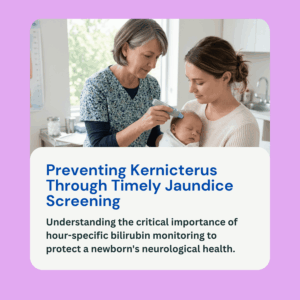
3. Failure to Screen for and Treat Neonatal Jaundice
Hyperbilirubinemia, or jaundice, is common in newborns and easily treated with phototherapy (light therapy). However, if a medical team ignores high bilirubin levels or delays treatment, the bilirubin can cross the blood-brain barrier. This results in a toxic, permanent brain injury called kernicterus, a classic example of severe NICU negligence because the condition is entirely preventable with basic screening.
The Clinical Consequences of Monitoring Failures
In a fast-paced intensive care unit, continuous electronic and physical monitoring is the primary line of defense. Monitors track heart rates, respiration, and blood oxygen levels around the clock, sounding alarms when an infant drops into a dangerous zone.
A significant portion of NICU negligence claims center around monitoring failures and “alarm fatigue.” Alarm fatigue occurs when medical staff become desensitized to the frequent beeping of medical machinery and delay their response or silence an alarm without checking the patient. If a baby experiences a prolonged drop in oxygen (hypoxia) or heart rate (bradycardia) because an alarm went unheeded, the brain can suffer permanent damage, leading to developmental delays or cerebral palsy (CP).
Differentiating Inherent Risks from Preventable Harm
It is vital for parents to know that not every negative medical outcome in the intensive care unit is a result of malpractice. Preterm infants face a wide range of natural, inherent medical risks simply due to their early birth. Conditions like respiratory distress syndrome or certain infections can develop even under the most flawless medical care.
To establish NICU negligence, medical records must clearly show that the medical team deviated from the accepted standard of care, and that this specific deviation directly caused the baby’s injury. For example, if an infant develops a common infection, that may be an inherent risk; however, if the medical team ignores clear lab markers of infection for 24 hours without prescribing antibiotics, allowing the baby to slip into septic shock, that delay constitutes a failure in the standard of care.
Frequently Asked Questions (FAQ)
What are the most common signs that indicate NICU negligence may have occurred?
Common red flags include an unexplained, sudden worsening of your baby’s neurological state, unexpected seizures, sudden blindness or vision issues, missing medical charts or unexplained gaps in monitoring logs, or an injury like a skull fracture or severe skin burn from medical equipment.
How can parents safely monitor their baby’s care while in the NICU?
The best approach is to stay calmly and consistently informed. Ask the nurse during shift changes to explain current ventilator settings, feeding volumes, and medication schedules. Keep a small notebook to write down daily test results, the names of attending physicians, and any sudden changes in your baby’s physical appearance or behavior.
Can a hospital be held responsible for an infection my baby caught in the NICU?
It depends on the circumstances. If the hospital failed to maintain sanitary conditions, ignored strict handwashing protocols, or delayed treating a diagnosed infection until it caused severe brain or organ damage, the facility and staff may be legally responsible under NICU negligence standards.
What should I do if I suspect my child was harmed by neonatal intensive care errors?
Your priority should be securing proper medical care for your child, potentially seeking a second opinion from an independent pediatric specialist. Additionally, request a complete, unedited copy of your child’s entire medical record, including nursing logs, monitor data strips, and lab results, so they can be independently reviewed.