

What Is Neonatal Encephalopathy?
The birth of a child is an intricate medical event that requires a flawless sequence of physiological transitions. When a complication disrupts this sequence, the newborn’s most vulnerable organ—the brain—is at immediate risk. One of the most serious neurological diagnoses given in a delivery room or Neonatal Intensive Care Unit (NICU) is neonatal encephalopathy.
But what exactly does this medical term mean? Broadly defined, neonatal encephalopathy is a comprehensive clinical syndrome characterized by disturbed brain function in an infant born at or near full term. This brain dysfunction manifests as altered consciousness, seizures, or difficulties with breathing and maintaining normal muscle tone. Understanding the mechanics of neonatal encephalopathy is vital for families navigating a complex diagnosis and seeking clear, educational answers about their child’s long-term health and developmental trajectory.
When a medical team suspects a neurological issue, they are evaluating the infant for a systemic disruption in central nervous system processing. Because a baby’s brain is highly sensitive during the intrapartum period, even brief disruptions in standard delivery timelines can lead to acute functional changes. This educational guide will break down the structural definitions, clinical signs, underlying pathways, and standard medical interventions associated with this critical neonatal condition.
The Underlying Causes of Neonatal Encephalopathy
It is a common misconception that this condition stems from a single, predictable source. In reality, neonatal encephalopathy is an umbrella term, and its onset can be triggered by a wide array of maternal, placental, or fetal complications during pregnancy, labor, or immediately after delivery. Pinpointing the exact cause requires a meticulous look at maternal health history and delivery logs.
The most frequent neonatal encephalopathy causes include:
- Hypoxic-Ischemic Encephalopathy (HIE): This is the most prevalent subtype, occurring when a baby’s brain is deprived of adequate oxygen (hypoxia) and restricted blood flow (ischemia) during the birthing process.
- Placental Abruption or Previa: Sudden structural failures of the placenta that cut off the infant’s primary oxygen supply line before they can breathe on their own.
- Umbilical Cord Complications: Events such as a prolapsed cord, a tight nuchal cord (wrapped around the neck), or a true knot in the cord that mechanically restricts blood flow.
- Maternal or Neonatal Infections: Severe, unaddressed maternal infections (like chorioamnionitis) or infant sepsis that trigger a systemic inflammatory response, damaging delicate brain tissue.
- Birth Canal Trauma: Direct, mechanical compression against the fetal skull during prolonged or obstructed labor, often exacerbated by the improper use of vacuum extractors or forceps.
Recognizing the Symptoms in the NICU
An infant displaying neonatal encephalopathy symptoms will typically exhibit a combination of physical, behavioral, and autonomic signs. These indicators tell the neonatologist that the brain is struggling to regulate basic life functions.
- Altered States of Consciousness: The infant may be excessively irritable and hyper-alert in mild cases, or profoundly lethargic, obtunded, or completely comatose in severe cases.
- Abnormal Muscle Tone: The baby may appear completely limp like a “ragdoll” (hypotonia) or exhibit extreme muscular stiffness and rigidity (hypertonia).
- Seizure Activity: Structural brain distress often triggers neonatal seizures, which can present as rhythmic twitching, bicycling movements of the legs, or repetitive lip-smacking.
- Depressed Autonomic Functions: A severe case of neonatal encephalopathy can impair the brainstem, leading to an inability to maintain an independent heart rate, blood pressure, or respiratory drive.
The Clinical Staging of Newborn Brain Dysfunction
To determine the appropriate medical response, physicians rely on the Sarnat Staging System. This classification system divides the progression of neonatal encephalopathy into three distinct tiers: mild, moderate, and severe.
In Stage 1 (Mild), the baby remains conscious but appears hyper-alert, highly irritable, and hyper-reactive to stimuli. Their Moro (startle) reflex may be exaggerated, and they may struggle to feed, but seizures are generally absent.
In Stage 2 (Moderate), the infant becomes noticeably lethargic and hypotonic (floppy). Their primitive reflexes are profoundly depressed or entirely absent, and they frequently require respiratory assistance. This stage is also where visible or subclinical seizures typically emerge, requiring immediate medical intervention to prevent further cellular stress.
In Stage 3 (Severe), the child enters a state of stupor or coma. They are completely unresponsive to physical stimuli, their muscles are flaccid, and they experience repeated, prolonged seizures. At this level, the brainstem functions are heavily compromised, making the infant entirely dependent on mechanical ventilation and blood pressure support to survive.
Standard Treatment Protocols and Therapeutic Hypothermia
When a diagnosis of neonatal encephalopathy is suspected, time is the enemy. Neurological damage occurs in waves: the initial injury (primary phase) happens during the event itself, but a “reperfusion injury” (secondary phase) occurs hours later as blood flow returns to damaged cells, releasing destructive toxins.
The gold-standard treatment to interrupt this secondary wave of cell death in moderate-to-severe cases is therapeutic hypothermia, also known as targeted brain cooling.
During this specialized procedure, the infant is placed on a fluid-filled cooling blanket or fitted with a specialized cooling cap that lowers their core body temperature to approximately 33.5℃ (92.3°F) for exactly 72 hours. This controlled cooling slows down the baby’s metabolic rate, reducing cellular swelling, limiting toxic chemical releases in the brain, and giving damaged brain cells a crucial window to recover. To maximize effectiveness, therapeutic hypothermia must be initiated within the first 6 hours of life. Alongside cooling, systemic treatment for neonatal encephalopathy involves continuous video-EEG monitoring, anti-seizure medications (such as phenobarbital), and intensive respiratory care.
Long-Term Prognosis and Links to Developmental Conditions
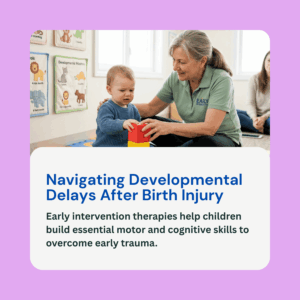
The long-term impact of neonatal encephalopathy depends heavily on the severity of the initial brain injury and how quickly treatments like cooling therapy were initiated. While infants with mild cases often recover completely without lasting developmental delays, moderate and severe cases can permanently alter a child’s neurological landscape.
Because the condition directly alters brain function and motor pathways, a severe instance of neonatal encephalopathy is a primary, recognized root cause of developmental disabilities, including cerebral palsy (CP), cognitive delays, epilepsy, and vision or hearing impairments. Ongoing care involving pediatric neurologists, physical therapists, and occupational therapists is vital to helping children reach their full functional potential.
Frequently Asked Questions (FAQ)
Is neonatal encephalopathy the exact same thing as HIE?
Not exactly. While they are frequently used interchangeably in conversation, neonatal encephalopathy is the broad, clinical description of disturbed brain function. Hypoxic-Ischemic Encephalopathy (HIE) is a specific subtype where that brain dysfunction is proven to be caused by a lack of oxygen and blood flow.
Can a baby fully recover from a diagnosis of neonatal encephalopathy?
Yes, full recovery is entirely possible, particularly for infants diagnosed with mild neonatal encephalopathy. For moderate cases caught early and treated with therapeutic hypothermia, the risk of long-term disability is significantly reduced, though regular developmental tracking remains necessary.
How long does the cooling treatment for neonatal encephalopathy last?
The standard medical protocol for therapeutic hypothermia requires the infant’s body or brain temperature to be safely lowered and strictly maintained for a continuous window of 72 hours, followed by a gradual, slow rewarming process.
What are the earliest signs that a child might have permanent brain dysfunction from this condition?
The earliest signs include missed physical milestones (such as an inability to roll over or sit up on schedule), persistent asymmetry in movement, rigid or floppy muscle tone, and feeding difficulties. These indicators often point toward a long-term neurological condition like cerebral palsy.