
Can Uterine Rupture Cause Brain Damage in a Newborn?
A uterine rupture is one of the most serious and sudden obstetric emergencies encountered during labor and delivery. It occurs when the full thickness of the muscular wall of the uterus tears open, often at the site of a prior surgical scar. This catastrophic tear allows the contents of the uterus, including the fetus and placenta, to potentially shift into the maternal abdominal cavity.
When a uterine rupture occurs, the connection between the maternal blood supply and the placenta is immediately disrupted or completely severed. A central concern for parents facing this diagnosis is whether uterine rupture newborn brain damage can occur. The short answer is that severe uterine rupture poses a significant threat of acute oxygen deprivation to the baby, which can lead to Hypoxic-Ischemic Encephalopathy (HIE) and long-term neurological injury if delivery is not accomplished within minutes. However, neurological outcomes vary widely depending on how quickly the medical team identifies the tear and performs an emergency C-section. This educational guide covers the primary risk factors, classic warning signs, emergency resuscitation protocols, and potential brain injury pathways associated with uterine rupture.
Risk Factors and Underlying Vulnerabilities
While a uterine rupture can theoretically occur in an unscarred uterus, it is extremely rare in women without prior uterine surgeries. Obstetricians evaluate several primary risk factors during prenatal care:
Prior Cesarean Delivery or Uterine Surgery: The most significant risk factor for uterine rupture is a previous C-section, particularly if the prior incision was a vertical (classical) uterine cut rather than a low-transverse incision. Women attempting a Trial of Labor After Cesarean (TOLAC) or Vaginal Birth After Cesarean (VBAC) face a small but distinct risk of scar breakdown during active labor contractions. Prior surgeries that enter the uterine cavity, such as a myomectomy to remove uterine fibroids, also increase this risk.
Induction and Augmentation Medications: The aggressive or inappropriate use of labor-inducing drugs, such as oxytocin (Pitocin) or prostaglandins (misoprostol), can cause hyperstimulation of the uterine muscle (uterine tachysystole). Excessive contraction strength places immense mechanical stress on previous uterine scars, increasing the likelihood of rupture.
Anatomical and Labor Factors: Fetal macrosomia (a baby weighing over 4,000 to 4,500 grams), grand multiparity (having given birth multiple times previously), abnormal fetal presentation, or stalled labor with mechanical obstructed labor can also increase pressure against the uterine wall.
Recognizing Clinical Warning Signs
A uterine rupture often presents suddenly without prolonged prior warning. Clinical management relies on immediate identification of maternal and fetal physical changes:
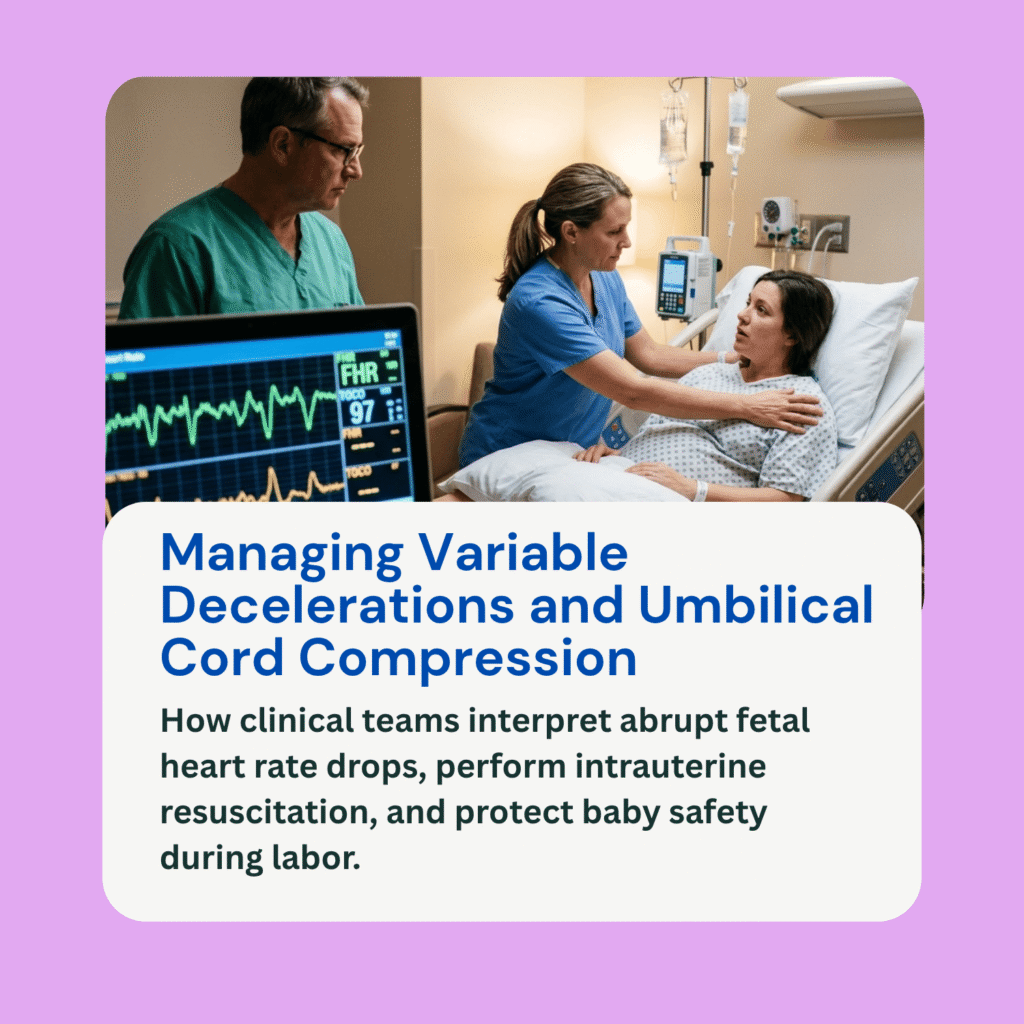
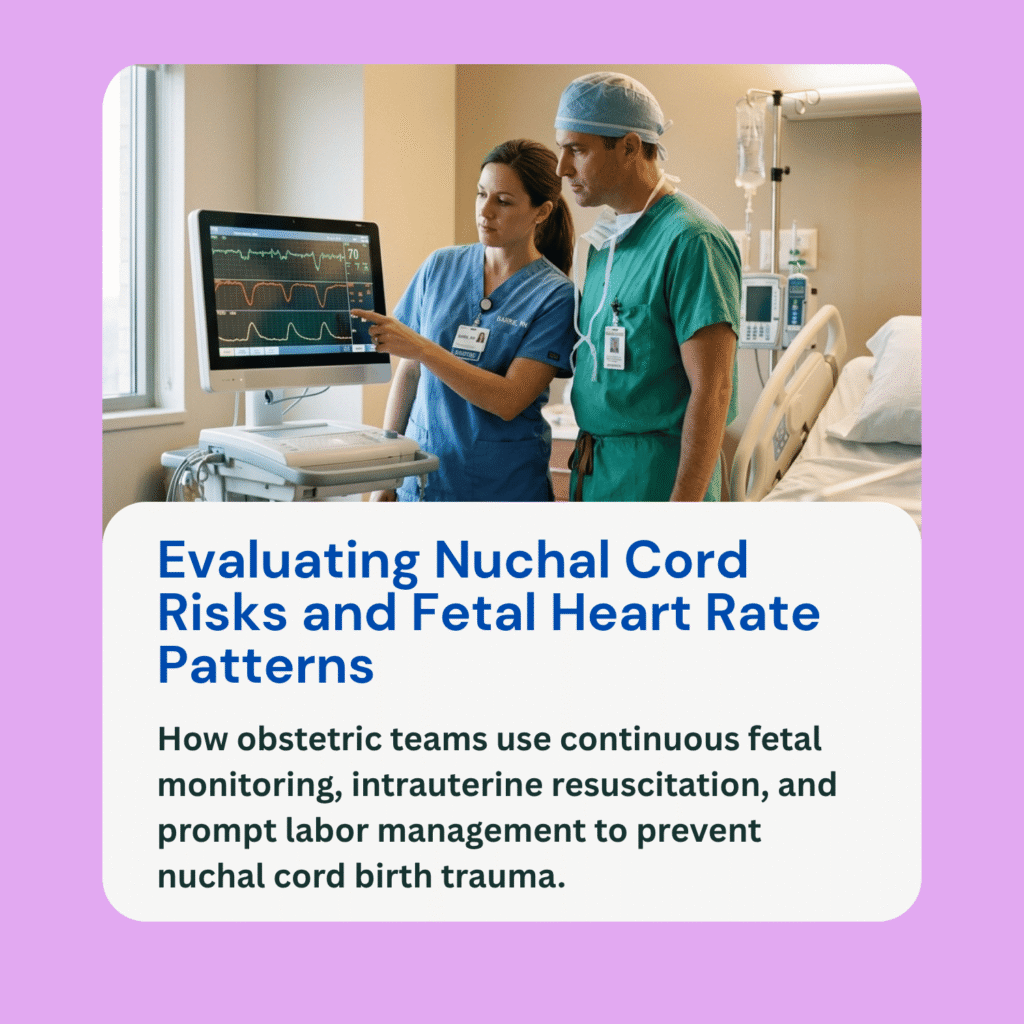
Abrupt Fetal Heart Rate Abnormalities: The single most common and reliable indicator of a uterine rupture is a sudden, severe drop in fetal heart rate (prolonged bradycardia) or deep, catastrophic variable and late decelerations. As maternal blood flow to the placenta ceases, the baby experiences rapid oxygen deprivation.
Sudden Maternal Pain and Bleeding: Mothers may experience sudden, tearing, or sharp abdominal pain that persists even between contractions or breaks through epidural anesthesia. Vaginal bleeding may occur, though significant blood loss often remains trapped internally within the abdominal cavity.
Loss of Contraction Pattern and Fetal Station: Upon rupture, normal uterine contractions may suddenly cease altogether. On physical examination, the baby’s head or presenting body part may regress, moving higher up out of the birth canal (loss of fetal station) as the fetus shifts into the peritoneal cavity.
Maternal Hypovolemic Shock: Rapid internal bleeding causes maternal low blood pressure (hypotension), abnormally fast heart rate (tachycardia), anxiety, dizziness, and signs of clinical shock.
Oxygen Deprivation and Fetal Brain Injury Dynamics
The brain requires continuous oxygen and glucose delivered via maternal blood flow to maintain cellular function. When a full-thickness uterine rupture happens, the physiological impact on the fetus is immediate and profound.
Acute Anoxia and Placental Abruption: The tearing of the uterine muscle frequently causes partial or complete separation of the placenta (placental abruption) and massive maternal internal hemorrhage. Blood pressure within the intervillous space of the placenta drops to zero, abruptly halting oxygen delivery to the fetal bloodstream.
Hypoxic-Ischemic Encephalopathy (HIE): Without oxygenated blood flow, the fetal brain enters a state of acute cellular energy failure. The brain’s regulatory pumps fail, causing toxic intracellular swelling, membrane rupture, and rapid tissue necrosis. This acute ischemic injury directly causes HIE, a primary driver of long-term neurological impairment.
Secondary Neurological Complications: Depending on the duration of total oxygen starvation before delivery, surviving infants may develop permanent neurological conditions such as spastic or dyskinetic cerebral palsy, severe motor impairments, cognitive deficits, vision loss, or post-neonatal epilepsy.
Emergency Management and Medical Response
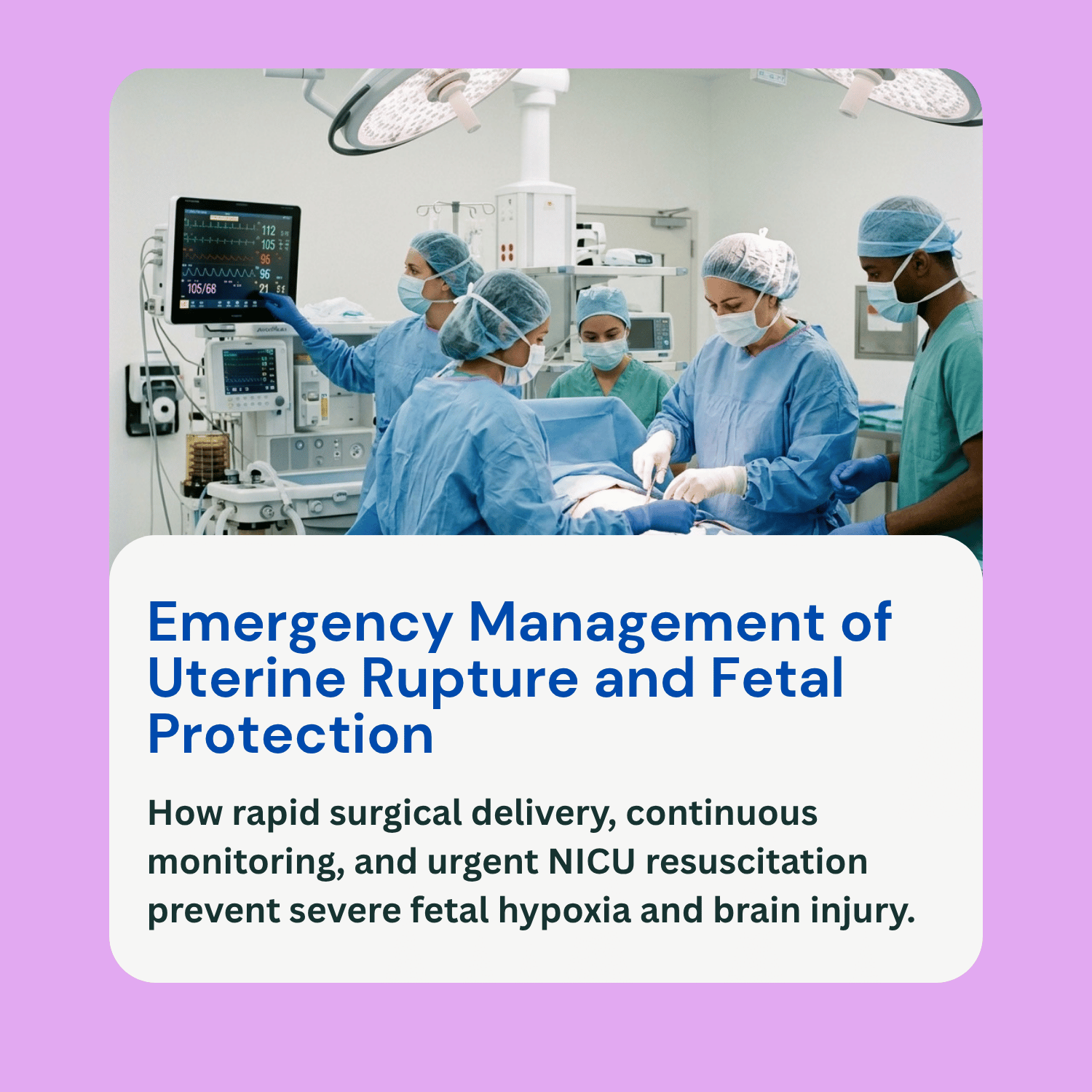
When a uterine rupture occurs, time is the single most critical factor determining whether the baby survives without brain damage. Standard medical guidelines emphasize rapid emergency surgical intervention:
The Decision-to-Delivery Interval: Medical consensus stresses that once a uterine rupture or severe terminal fetal bradycardia is recognized, the team must execute an emergency C-section as quickly as possible. Every minute of delay beyond the initial collapse increases the risk of severe metabolic acidosis and irreversible brain cell death.
Maternal Stabilization and Surgical Repair: While surgical teams move the mother into the operating room, anesthesiologists administer rapid intravenous fluids and blood products to stabilize maternal blood pressure. Surgeons deliver the infant, control maternal bleeding, and either repair the ruptured uterine scar or perform an emergency hysterectomy if the tear is extensive and bleeding cannot be controlled.
Immediate NICU Resuscitation and Brain Cooling: Following delivery, the neonatal resuscitation team immediately stabilizes the baby’s airway, establishes mechanical ventilation, and manages systemic shock. If the infant exhibits signs of moderate to severe HIE within the first six hours of life, therapeutic hypothermia (cooling therapy) is initiated to lower body temperature, reduce brain swelling, and limit secondary neurological damage.
Frequently Asked Questions (FAQ)
Does a uterine rupture always cause brain damage in a baby?
No. A uterine rupture is a life-threatening emergency, but it does not automatically lead to permanent brain damage. If the surgical team recognizes the signs immediately and delivers the baby via emergency C-section within a very short timeframe, the infant can be delivered safely before irreversible brain injury occurs.
What is the difference between uterine scar dehiscence and a complete uterine rupture?
Uterine scar dehiscence is a partial breakdown or thinning of a previous surgical scar where the outer uterine membranes remain intact, often causing no severe maternal bleeding or fetal distress. A complete uterine rupture involves a full-thickness tear through all layers of the uterine wall, creating a medical emergency.
Can you safely attempt a VBAC after a previous C-section?
Yes. For many women with a single prior low-transverse C-section scar, a Vaginal Birth After Cesarean (VBAC) is considered a reasonable and safe option by medical guidelines. However, it requires continuous electronic fetal monitoring in a medical facility fully equipped for immediate emergency surgical care.
Could a brain injury from a uterine rupture be linked to medical negligence?
While uterine ruptures happen unexpectedly, negligence may occur if providers fail to evaluate a patient’s surgical history, inappropriately administer high-dose labor-inducing drugs like Pitocin to a high-risk patient, ignore signs of fetal distress, or delay an emergency C-section once a rupture occurs.