
Can Neonatal Hypoglycemia Cause Brain Damage?
Glucose is the primary fuel that powers the human brain. While adults can draw on stored glycogen or alternative energy sources during brief periods of fasting, a newborn baby’s rapidly developing brain relies almost entirely on a steady supply of glucose circulating in the bloodstream. When an infant’s blood sugar drops below normal thresholds, a condition known as neonatal hypoglycemia occurs.
While mild, transient low blood sugar is relatively common during the first few hours after birth as a baby transitions to extrauterine life, prolonged or untreated low blood sugar presents serious risks. A primary concern for parents navigating high-risk nursery care is whether neonatal hypoglycemia brain damage can happen. The short answer is yes: untreated, severe, or recurrent hypoglycemia can injure brain cells, particularly in the occipital and parietal regions of the brain. However, with vigilant hospital screening, prompt feedings, and timely intravenous glucose management, most cases are resolved safely without lasting harm. This guide explains how low blood sugar affects the infant brain, key risk factors, symptoms to watch for, and treatment protocols.
Risk Factors for Newborn Low Blood Sugar
Not all newborns face the same risk of developing low blood sugar. Hospital clinical guidelines establish heightened monitoring protocols for infants who fall into specific high-risk categories:
Infants of Diabetic Mothers (IDM): Maternal diabetes—whether gestational, type 1, or type 2—exposes the fetus to high glucose levels in the womb. In response, the fetus produces elevated levels of insulin (hyperinsulinism). After birth, when the maternal supply of glucose suddenly stops, the baby’s body continues producing excess insulin, causing blood sugar levels to plunge rapidly within the first few hours of life.
Small for Gestational Age (SGA) and Intrauterine Growth Restriction (IUGR): Babies who suffer from poor fetal growth or placental insufficiency often have inadequate stores of glycogen and fat tissue. They exhaust their limited glucose reserves quickly after delivery.
Premature Infants: Babies born before 37 weeks have less time in the womb to build up energy stores. Additionally, their immature organ systems make it harder to regulate insulin and manufacture new glucose.
Large for Gestational Age (LGA) and Macrosomia: Infants born at significantly higher birth weights often experience transient hyperinsulinism or increased energy demands, placing them at increased risk for low blood sugar.
Perinatal Stress and Asphyxia: Babies who experience severe stress during delivery—such as hypothermia, fetal distress, infection, or lack of oxygen (hypoxia)—burn through their metabolic energy stores at an accelerated rate, leading to rapid hypoglycemia.
Recognizing the Symptoms of Infant Hypoglycemia
Because newborns cannot communicate how they feel, identifying symptomatic hypoglycemia requires close observation by parents and medical staff. Symptoms can range from subtle changes in behavior to severe neurological warning signs:
Early or mild signs include persistent jitteriness or fine tremors in the hands and legs, abnormal sleepiness (lethargy), exaggerated startle responses, a weak or high-pitched cry, and difficulty maintaining normal body temperature. As blood sugar drops lower or remains untreated, more severe neurological symptoms appear. These include extreme limpness or low muscle tone (hypotonia), poor feeding or refusal to suck, rapid or irregular breathing (apnea), pale or bluish skin coloration, and full-body seizures or loss of consciousness.
Screening and Diagnostic Protocols
Because some newborns with low blood sugar show subtle symptoms or remain initially asymptomatic, hospitals use systematic screening guidelines for high-risk babies:
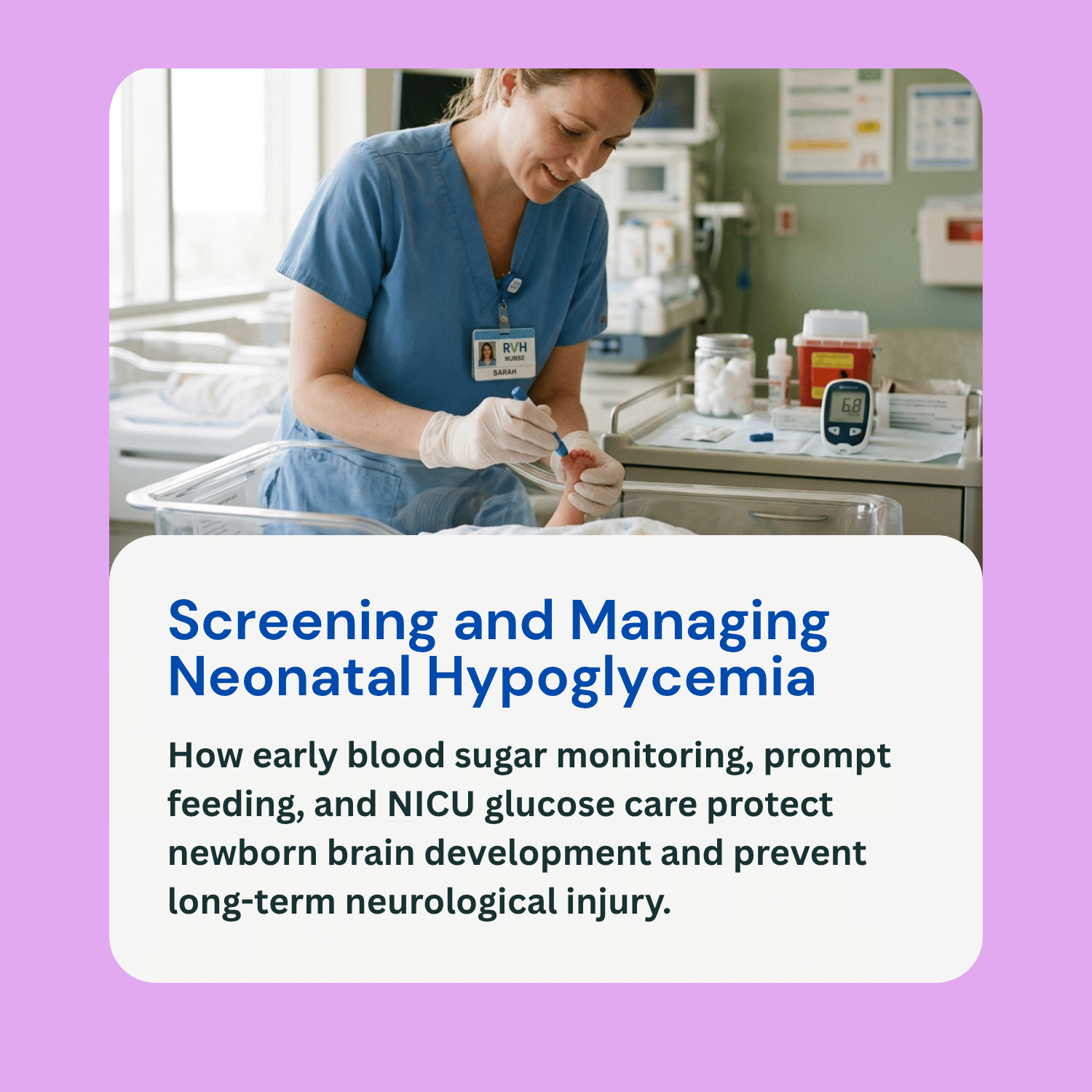
Routine Blood Glucose Testing: High-risk infants have their blood glucose levels measured via a quick heel-stick test shortly after birth—typically within the first 1 to 2 hours of life—and then routinely before feedings for the first 24 to 48 hours.
Target Glucose Levels: While exact clinical thresholds vary slightly between medical institutions, glucose levels below 40 mg/dL in the first few hours of life or below 45–50 mg/dL in subsequent days generally prompt immediate medical intervention.
How Prolonged Hypoglycemia Affects the Brain
The brain requires glucose to maintain the ion pumps that keep brain cells alive and functioning. When blood sugar drops to critically low levels for an extended period, the brain’s cellular energy grid fails.
Without adequate glucose, brain cells cannot maintain electrical stability, leading to an excessive release of excitatory amino acids like glutamate. This process triggers toxic swelling, tissue inflammation, and eventual cellular death (apoptosis). Imaging studies demonstrate that severe neonatal hypoglycemia selectively injures the posterior brain regions—specifically the occipital and parietal lobes. Damage to these areas can cause long-term neurological complications, including cerebral palsy, developmental and cognitive delays, visual processing impairments, visual impairment or cortical blindness, and chronic seizure disorders.
Treatment and Medical Management
Preventing brain damage from low blood sugar centers on one fundamental objective: restoring and maintaining healthy blood glucose levels as rapidly as possible.
Early and Frequent Feedings: For mild or borderline low blood sugar in a alert baby, early breastfeeding or formula feeding is the first step. Medical teams may also administer buccal glucose gel—a sugar gel rubbed directly into the inside of the baby’s cheek—to quickly boost blood sugar without interrupting breastfeeding.
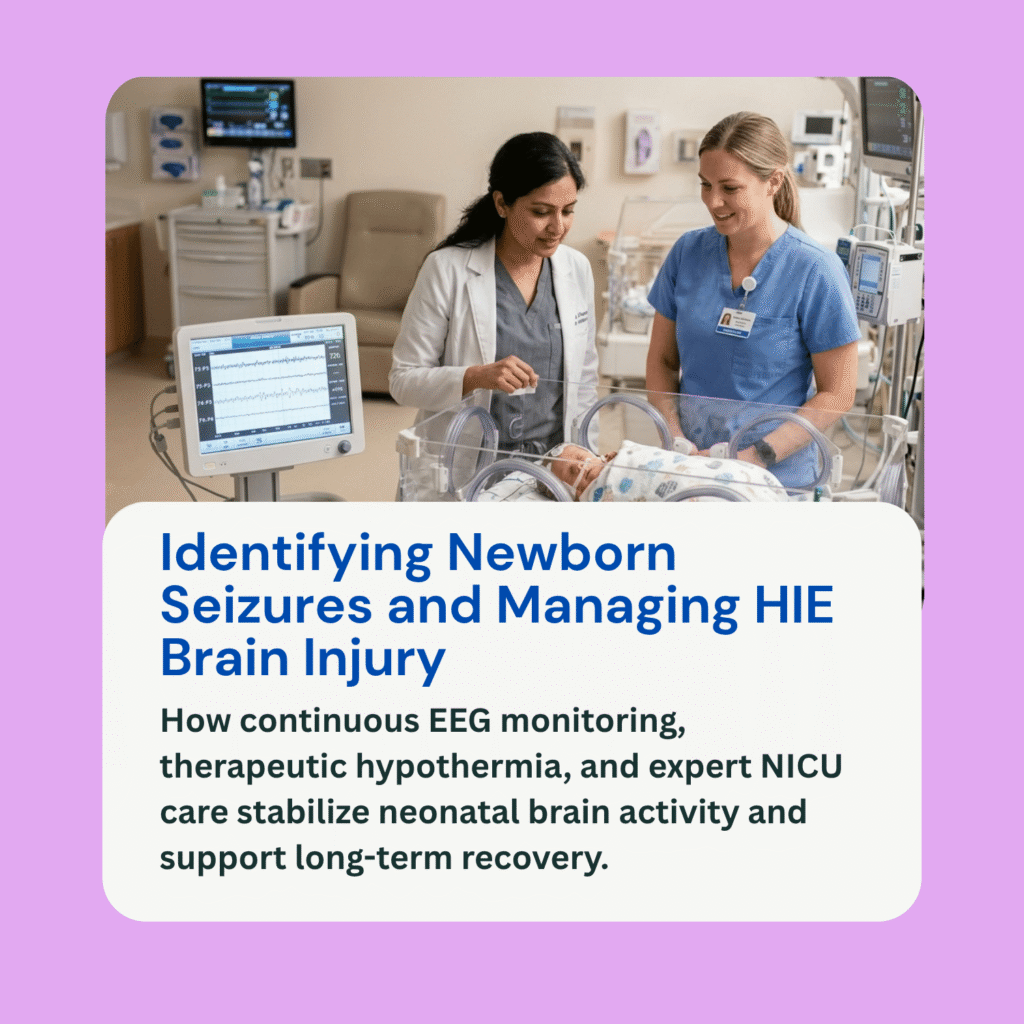
Intravenous (IV) Glucose Therapy: If feeding and gel do not raise glucose levels, if the baby is unable to feed safely, or if the baby shows symptomatic hypoglycemia (such as seizures or severe lethargy), immediate intravenous administration of glucose (dextrose) is necessary. The baby is monitored continuously in the NICU while IV fluids are adjusted to stabilize blood sugar.
Frequently Asked Questions (FAQ)
Does a brief drop in blood sugar cause permanent brain damage?
No. A transient, mild drop in blood sugar that is promptly identified and corrected with feeding or IV dextrose is very common and rarely causes permanent brain damage. Long-term risk arises primarily from severe, prolonged, or untreated symptomatic hypoglycemia.
How long after birth does neonatal hypoglycemia typically occur?
Most cases develop within the first 1 to 12 hours of life as the baby transitions away from the maternal glucose supply. This is why hospital screening protocols focus heavily on the first 24 to 48 hours post-delivery.
Can a baby suffer a brain bleed or HIE alongside hypoglycemia?
Yes. Perinatal asphyxia or oxygen deprivation during labor can cause both Hypoxic-Ischemic Encephalopathy (HIE) and secondary hypoglycemia simultaneously, as the stressed infant burns through energy stores rapidly.
When should I seek immediate medical attention?
If you are at home and notice your newborn is unusually difficult to wake, extremely limp, experiencing pauses in breathing, showing severe jitteriness that doesn’t stop when you hold their limb, or having a seizure, seek emergency medical care immediately.