
Can Chorioamnionitis Cause Brain Injury in a Newborn?
Chorioamnionitis, also known as intra-amniotic infection (IAI), is a serious bacterial infection that causes inflammation of the fetal membranes (the chorion and amnion) and the amniotic fluid. This condition most commonly occurs when bacteria normally present in the vagina ascend into the uterus during labor, especially after the amniotic sac has ruptured for an extended period.
While many infants born to mothers with chorioamnionitis recover fully with prompt antibiotic treatment, severe or unmanaged intrauterine infections significantly increase the risk of fetal complications. A central concern for parents and clinicians is whether chorioamnionitis newborn brain injury can occur. Medical evidence shows that while chorioamnionitis does not directly cause brain injury in every case, the systemic inflammation and fetal distress it triggers substantially elevate the statistical risk for neurological damage, including Hypoxic-Ischemic Encephalopathy (HIE) and cerebral palsy. This educational guide explores maternal and fetal warning signs, treatment protocols, and the inflammatory mechanisms connecting intra-amniotic infection to brain injury.
Maternal and Fetal Warning Signs
Detecting chorioamnionitis quickly is crucial because the infection can spread rapidly between the mother and fetus. Obstetricians and labor nurses monitor for a combination of clinical signs to diagnose intra-amniotic infection:
Maternal Fever: A key diagnostic indicator of chorioamnionitis is a maternal oral temperature of 39.0°C (102.2°F) or higher, or a persistent fever between 38.0°C (100.4°F) and 38.9°C (102.0°F) without another clear source of infection.
Fetal Tachycardia: Elevated fetal heart rate is often one of the earliest signs of fetal inflammatory response. A persistent baseline heart rate above 160 beats per minute—especially when occurring alongside maternal fever—signals that the fetus is experiencing stress or mounting an immune response to infection.
Maternal Tachycardia and Leukocytosis: A maternal heart rate consistently exceeding 100 beats per minute and an elevated white blood cell count (maternal leukocytosis) indicate that the mother’s immune system is actively fighting a severe systemic infection.
Uterine Tenderness and Foul-Smelling Fluid: Physical signs include noticeable tenderness or pain over the uterus upon abdominal palpation, as well as purulent or foul-smelling amniotic fluid draining from the vagina.
How Chorioamnionitis Increases the Risk of Brain Injury
The relationship between chorioamnionitis and neonatal brain injury is driven by complex biological processes rather than a single event. Medical research highlights several main pathways through which intra-amniotic infection damages or sensitizes the developing brain:
Fetal Inflammatory Response Syndrome (FIRS): When bacteria invade the amniotic fluid, the fetus absorbs these pathogens into its bloodstream and lungs, triggering a massive systemic immune response known as FIRS. The fetus produces high levels of pro-inflammatory proteins called cytokines (such as Interleukin-6 and TNF-alpha). These inflammatory cytokines cross the delicate blood-brain barrier, damaging oligodendrocyte precursor cells—the vital cells responsible for producing myelin, the protective coating around nerve fibers in the brain.
Sensitization to Hypoxic Stress: Systemic inflammation lowers the brain’s threshold for enduring oxygen deprivation. An infant affected by FIRS is significantly more vulnerable to brain injury during labor contractions than a non-infected fetus. Even mild or moderate pauses in blood flow that a healthy baby would tolerate can lead to acute brain tissue damage and Hypoxic-Ischemic Encephalopathy (HIE) when severe inflammation is present.
White Matter Damage and Periventricular Leukomalacia (PVL): The combination of inflammatory cytokines and reduced blood flow specifically targets the white matter surrounding the brain’s fluid-filled ventricles. Damage to this area leads to Periventricular Leukomalacia (PVL), a structural brain injury that disrupts motor control pathways and serves as a leading cause of cerebral palsy.
Premature Birth and Secondary Inflammatory Risks
In addition to direct inflammatory damage, chorioamnionitis is a primary trigger for spontaneous preterm labor and premature rupture of membranes (PROM). Inflammatory cytokines stimulate uterine contractions and weaken the amniotic sac, forcing early delivery.
Premature infants born in the presence of an active intra-amniotic infection face doubled neurological risks. Their underdeveloped brain tissue and fragile cerebral blood vessels are already vulnerable to intraventricular hemorrhage (IVH) and white matter damage. When the stress of prematurity combines with the destructive effects of FIRS, the risk of long-term neurological impairment increases substantially compared to premature births caused by non-infectious factors.
Diagnosis, Treatment, and Risk Mitigation
Protecting a newborn from infection-related brain injury requires rapid medical intervention as soon as chorioamnionitis is suspected:
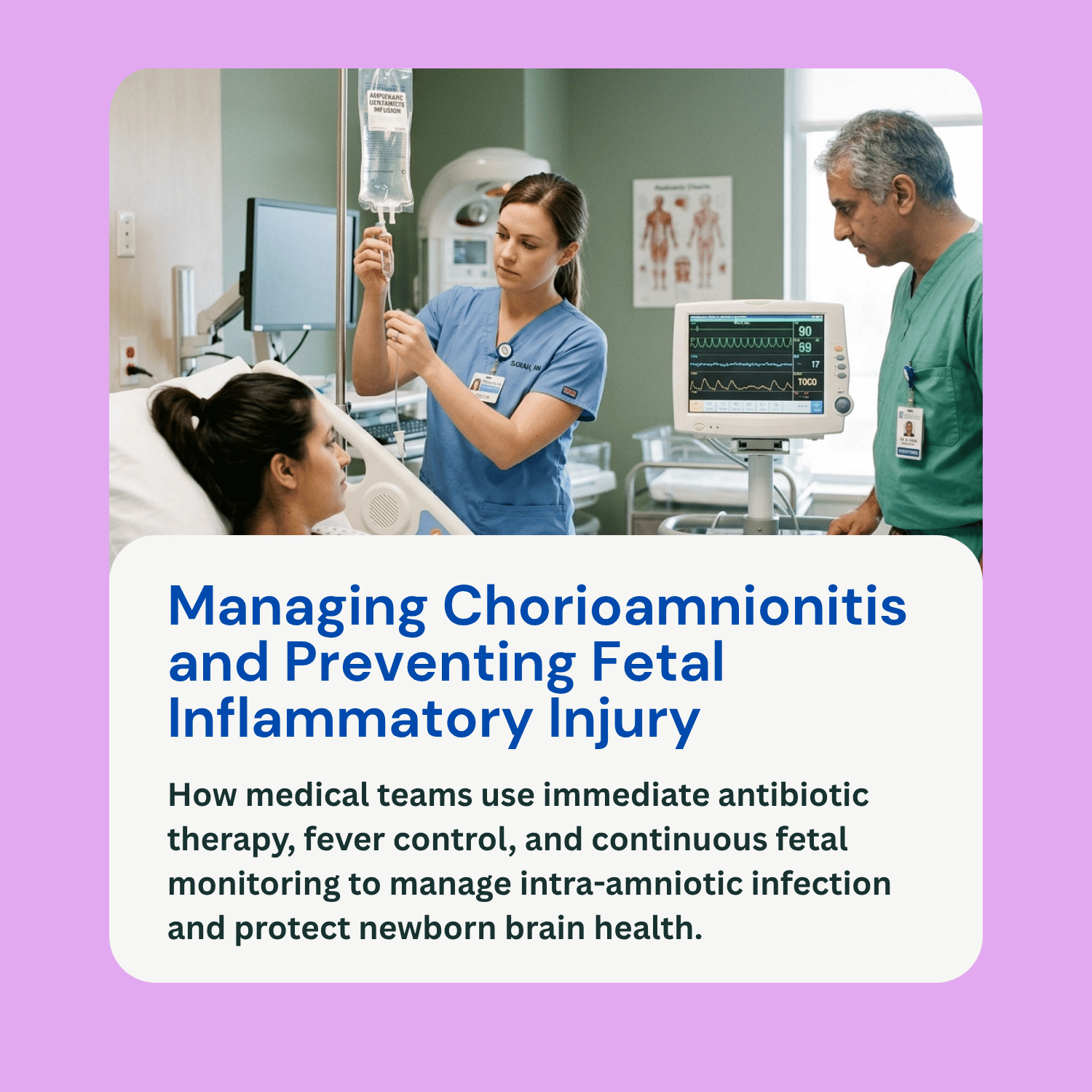
Broad-Spectrum Antibiotic Therapy: Once intra-amniotic infection is suspected, doctors immediately administer intravenous broad-spectrum antibiotics to the mother, typically combining ampicillin and gentamicin. Intravenous antibiotics cross the placenta to treat the fetus directly, reducing the severity of FIRS and maternal complications.
Temperature Control: Maternal fever increases the fetal metabolic rate and oxygen demand, amplifying brain tissue damage during contractions. Clinicians administer antipyretic medications like acetaminophen to reduce maternal fever and protect the fetal brain from thermal stress.
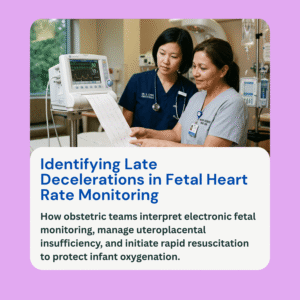
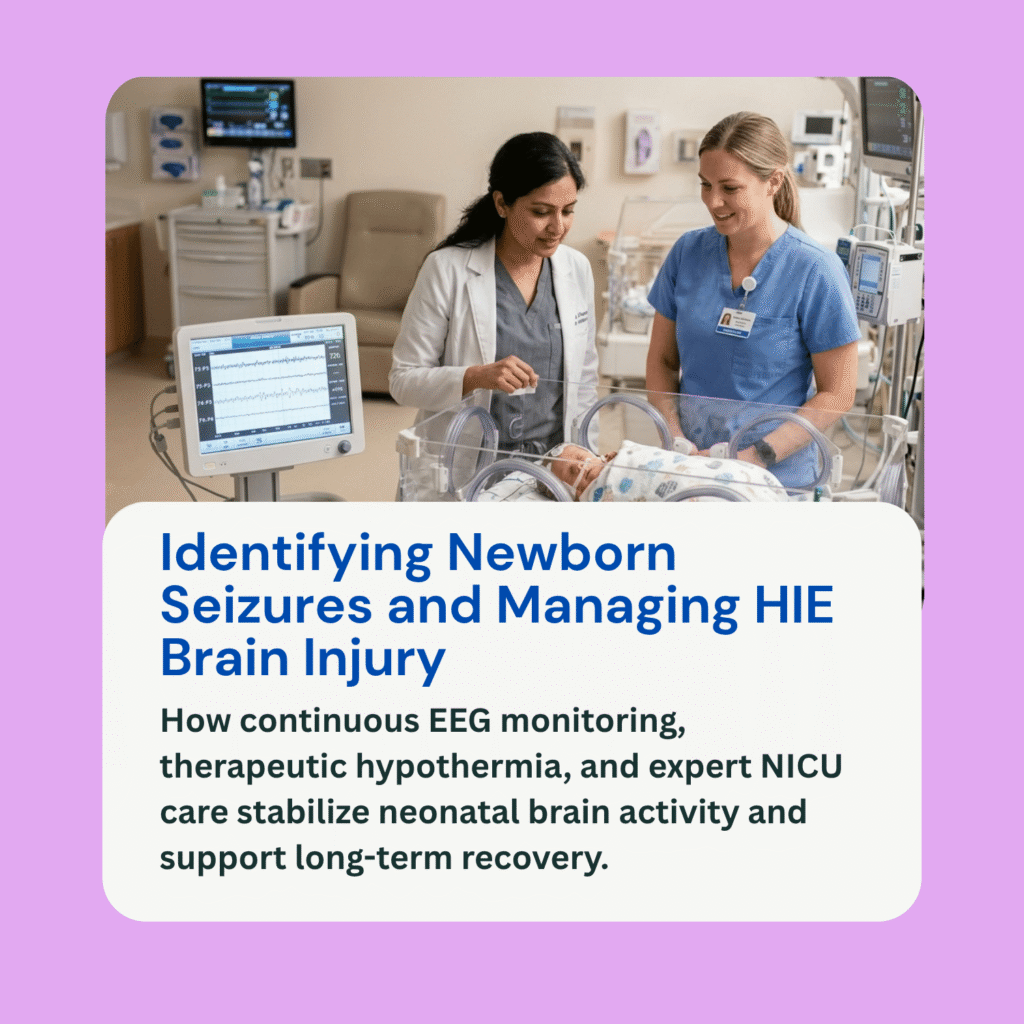
Timely Delivery Management: Chorioamnionitis is not an automatic command for an immediate emergency C-section if labor is progressing well and fetal heart rate traces remain reassuring. However, if continuous fetal monitoring shows non-reassuring heart rate patterns—such as persistent late decelerations, severe variable decelerations, or loss of heart rate variability—obstetricians must expedite delivery promptly to prevent prolonged oxygen starvation. Following birth, the newborn is immediately admitted to the NICU for antibiotic therapy, blood cultures, and neurological evaluation.
Frequently Asked Questions (FAQ)
Does chorioamnionitis always lead to brain damage or cerebral palsy?
No. Most babies born to mothers treated promptly for chorioamnionitis do not suffer permanent brain damage. The infection increases the risk of neurological injury, but early diagnosis, antibiotic administration, and attentive delivery management protect the majority of infants from long-term harm.
How do doctors confirm a diagnosis of chorioamnionitis after birth?
While clinical diagnosis happens during labor based on fever and heart rate, doctors confirm chorioamnionitis after delivery by sending the placenta to a pathology lab. Histological examination reveals white blood cell infiltration within the placental tissues and fetal membranes.
Can a brain injury from chorioamnionitis be caused by medical error?
While the bacterial infection itself can occur naturally, medical errors can escalate the risk of brain damage. Failing to diagnose maternal fever, delaying antibiotic treatment after membranes break, ignoring signs of fetal distress, or failing to perform a timely C-section when infection compromises the baby can constitute medical negligence.
What long-term conditions are associated with infection-related birth injuries?
Children who suffer severe inflammatory brain injuries or HIE secondary to chorioamnionitis may develop cerebral palsy, developmental delays, learning disabilities, motor impairments, or seizure disorders. Early physical, occupational, and speech therapy can support developmental progress.