
Can Medical Errors During Labor Cause Brain Damage?
The journey through labor and delivery relies heavily on the expertise, vigilance, and swift action of medical professionals. While many childbirth complications are unpredictable natural events, others stem directly from preventable mistakes made by doctors, nurses, or hospital staff. When medical errors occur during labor, the most severe consequence is often an interruption of oxygen to the baby’s developing brain, leading to permanent neurological damage.
Understanding the connection between medical errors during labor brain damage risks is critical for families seeking answers after a traumatic birth. When clinical protocols are bypassed, warning signs go ignored, or emergency procedures are delayed, a manageable delivery complication can quickly escalate into a life-altering birth injury. This educational guide explores the most common preventable errors in the delivery room, how these mistakes cause brain damage, and what parents can do if they suspect negligence played a role.
Common Medical Errors During Labor and Delivery
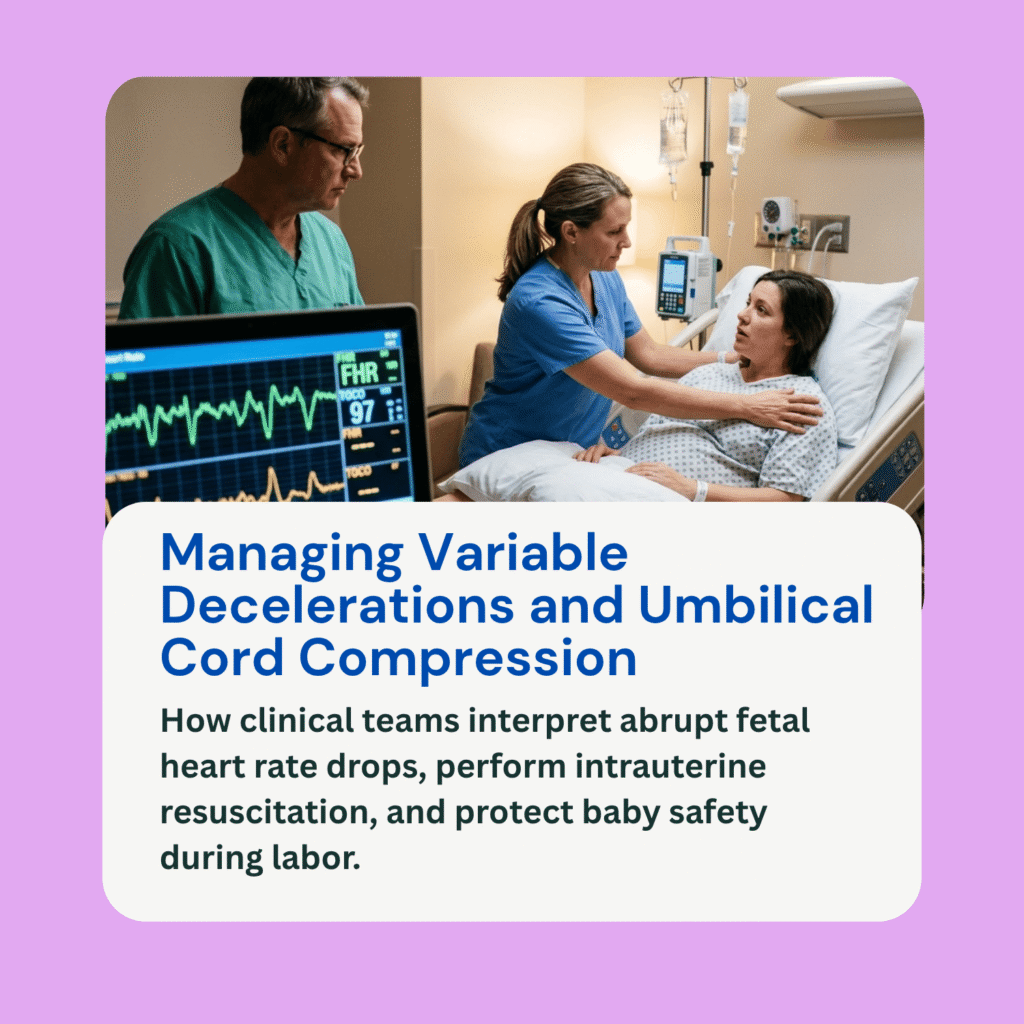
Delivery room errors often happen in high-stress, fast-paced moments when clear communication and adherence to standard clinical protocols are essential. One of the most frequent errors is the failure to properly interpret electronic fetal monitoring (EFM) strips. Fetal heart rate monitors are designed to give medical teams real-time data about how a baby is handling the stress of labor. When nurses or obstetricians fail to recognize alarming patterns, such as repetitive late decelerations or a loss of heart rate variability, they miss crucial warning signs that the baby is running out of oxygen.
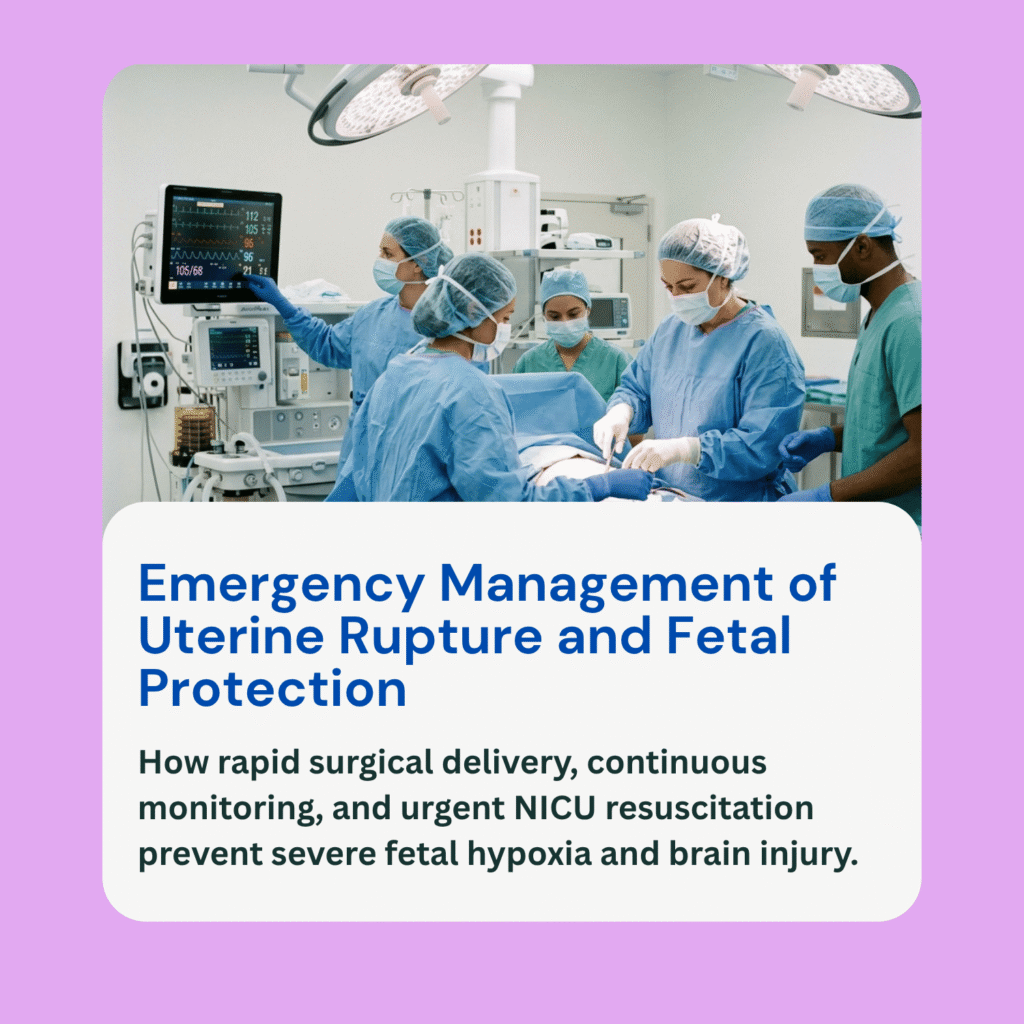
Another significant clinical mistake is delaying an emergency C-section. When severe fetal distress, umbilical cord compression, or uterine rupture occurs, every minute counts. Standard medical guidelines dictate that a hospital team should be able to perform an emergency delivery rapidly once the decision is made. Delays caused by poor staff communication, unavailable operating rooms, or hesitant decision-making prolong the baby’s oxygen debt, dramatically increasing the risk of brain tissue death.
Mismanagement of labor-inducing medications, such as Pitocin (synthetic oxytocin), is another major factor in preventable birth injuries. If administered in excessive dosages, Pitocin can cause uterine tachysystole—a condition where contractions become unnaturally frequent or intense. These violent, back-to-back contractions prevent the placenta from refilling with fresh, oxygenated blood between surges, essentially suffocating the baby over time. Furthermore, the improper or forceful use of assisted delivery tools, such as vacuum extractors or forceps, can inflict direct physical trauma to the infant’s skull, causing severe brain bleeds, skull fractures, and localized brain tissue injury.
How Delivery Errors Trigger Brain Damage
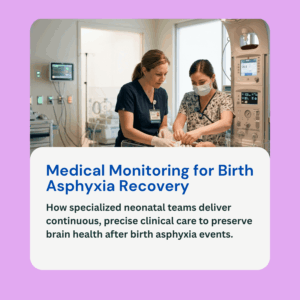
The primary mechanism linking medical errors to infant brain damage is oxygen deprivation, known clinically as hypoxia or ischemia. During labor, if a baby’s blood and oxygen supply is severely restricted due to an unaddressed complication, their body enters a state of metabolic crisis. Lacking oxygen, the baby’s brain cells can no longer produce necessary energy, causing cell walls to break down and trigger an inflammatory response.
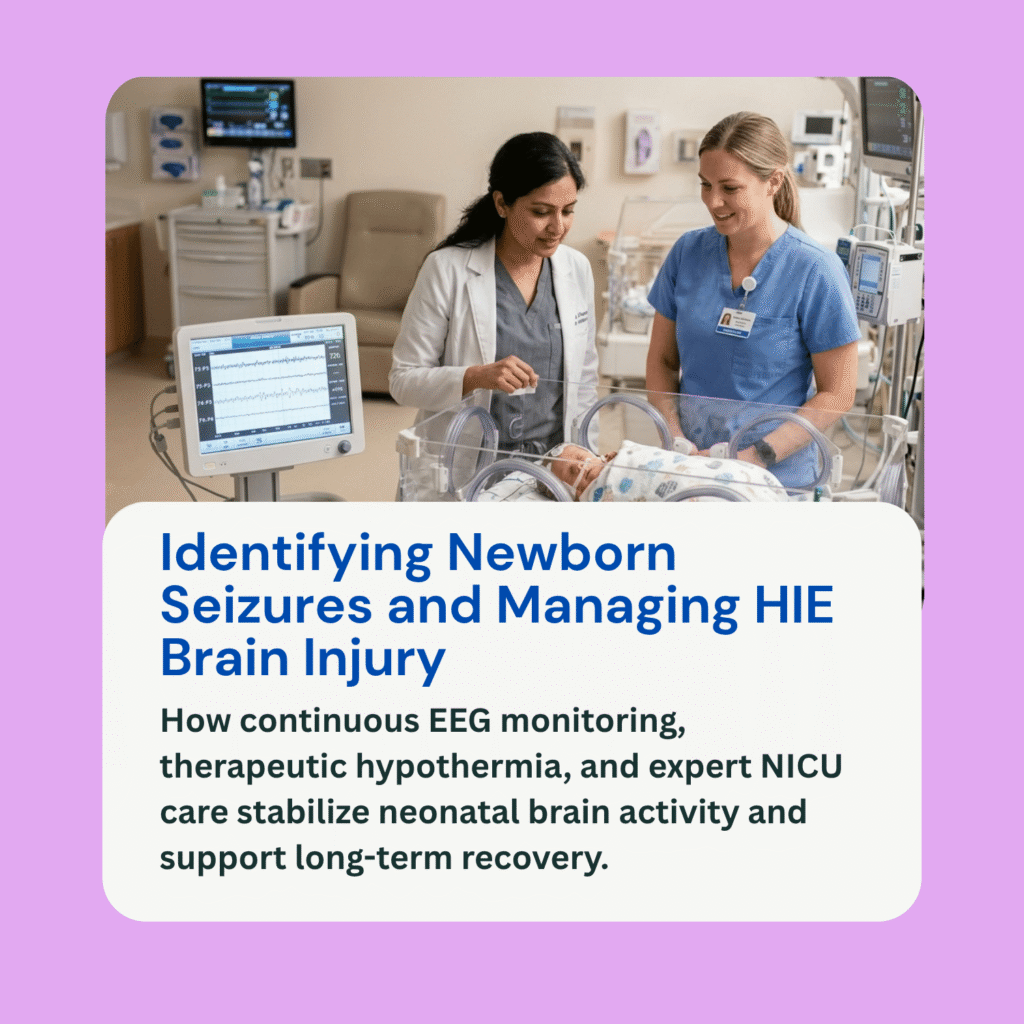
This cascade of oxygen debt leads directly to Hypoxic-Ischemic Encephalopathy (HIE), an acute brain injury caused by oxygen loss surrounding birth. While HIE itself is a devastating diagnosis, it frequently serves as the root cause for chronic, lifelong neurological conditions. If the oxygen deprivation damages the motor centers of the brain, the child may develop cerebral palsy (CP), affecting muscle movement, posture, and coordination. In other cases, damaged neural tissue misfires continuously, causing childhood epilepsy, microcephaly, developmental delays, or severe cognitive impairments.
Distinguishing Unpreventable Complications from Medical Negligence
Not every birth injury is the result of a medical error. Certain tragic complications, such as unpredictable genetic abnormalities, acute infections that progress without symptoms, or sudden structural anomalies, can cause brain damage despite flawless medical care.
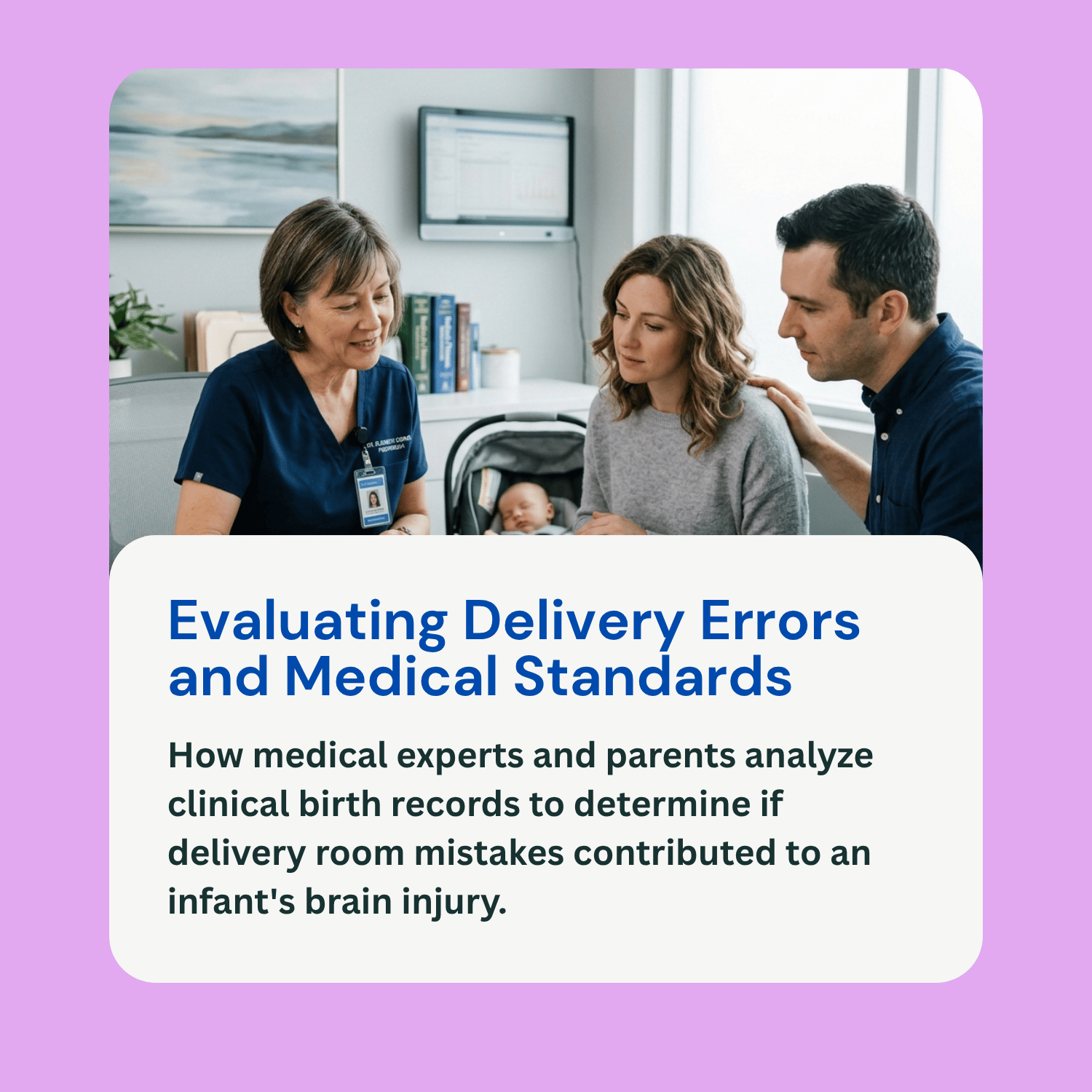
However, medical negligence occurs when a healthcare provider fails to meet the accepted “standard of care”—the level of care and skill that a reasonably competent provider would deliver under similar circumstances. To determine if a medical error caused a child’s brain damage, medical and legal experts examine the complete medical record, looking specifically for gaps in fetal monitoring, unaddressed spikes in maternal blood pressure, improper medication dosages, or unreasonable delays between the onset of fetal distress and the time of delivery.
Frequently Asked Questions (FAQ)
How can I tell if my baby’s brain damage was caused by a medical error?
Determining the exact cause of a birth injury requires a comprehensive medical review. Key indicators that warrant further investigation include a birth record showing prolonged fetal heart rate drops, an unexpectedly low APGAR score, severe umbilical cord blood acidity at birth, or the need for immediate neonatal resuscitation and brain cooling therapy.
What should parents do if they suspect a medical mistake occurred during delivery?
Parents should request complete, unedited copies of all medical records, including maternal charts, labor logs, electronic fetal monitoring printouts, and NICU records. Consulting with a specialized birth injury attorney or an independent pediatric medical expert can help analyze these documents to see if clinical guidelines were violated.
Can brain cooling therapy reverse brain damage caused by medical errors?
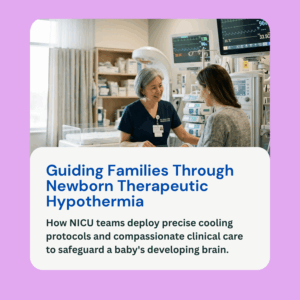
Therapeutic hypothermia (brain cooling) cannot reverse brain tissue that has already died, but it can halt the secondary wave of cellular destruction that occurs after an oxygen-deprivation event. If applied within the first six hours of life, brain cooling can significantly reduce the severity of long-term disabilities like cerebral palsy.
What is the standard time frame for an emergency C-section when a baby is in distress?
While exact timing depends on the nature of the emergency, hospitals are generally expected to perform an emergency C-section as quickly as possible once a non-reassuring fetal heart rate or acute emergency is identified. Unreasonable delays past this threshold often point toward clinical negligence.