
What Parents Should Know About Therapeutic Hypothermia
Seeing a newborn transferred to the Neonatal Intensive Care Unit (NICU) is one of the most overwhelming experiences a parent can face. When doctors explain that the baby requires “cooling therapy” or therapeutic hypothermia, that stress often deepens into worry. While the concept of deliberately lowering a newborn’s body temperature can sound alarming, therapeutic hypothermia is actually one of the most significant, life-saving advancements in modern neonatology.
This specialized treatment is designed to protect a baby’s brain following an event of severe oxygen deprivation during childbirth. By carefully dropping the infant’s core temperature, medical teams can pause or slow down the destructive cellular reactions that lead to permanent brain damage. This comprehensive guide breaks down how cooling therapy works, when it is medically indicated, what parents can expect during the treatment, and how it impacts long-term outcomes.
Understanding How Cooling Therapy Works
When a baby experiences acute oxygen deprivation surrounding birth, their brain cells suffer an initial primary injury. However, much of the structural damage doesn’t occur immediately; it develops hours later during a secondary phase of cellular breakdown, known as reperfusion injury, as blood flow returns to the vulnerable brain tissue.
Therapeutic hypothermia works by gently lowering the newborn’s core body temperature from the normal 37°C (98.6°F) down to approximately 33.5°C (92.3°F). This slight temperature drop slows down the infant’s cerebral metabolism. In doing so, it reduces inflammation, suppresses the toxic release of harmful brain chemicals like glutamate, and stops programmed cell death. Ultimately, cooling therapy opens a critical window of time for the baby’s brain tissue to recover and heal.
When Is Therapeutic Hypothermia Used?
Therapeutic hypothermia is not a general treatment for all sick newborns; it is specifically designed for full-term or late preterm infants who have suffered moderate-to-severe Hypoxic-Ischemic Encephalopathy (HIE). To qualify for cooling therapy, an infant typically needs to meet specific physiological criteria established by pediatric neurologists.
First, the baby must generally be at least 35 or 36 weeks of gestational age and under 6 hours old, as cooling is most effective when started within this strict 6-hour neuroprotective window. Second, there must be clear objective evidence of birth asphyxia, such as a low APGAR score at 10 minutes, an umbilical cord blood pH reading below 7.0, or a need for continued resuscitation at birth. Finally, the newborn must demonstrate signs of neurological depression, such as altered consciousness, weak or absent reflexes, or active neonatal seizures.
What to Expect During the 72-Hour Treatment Process
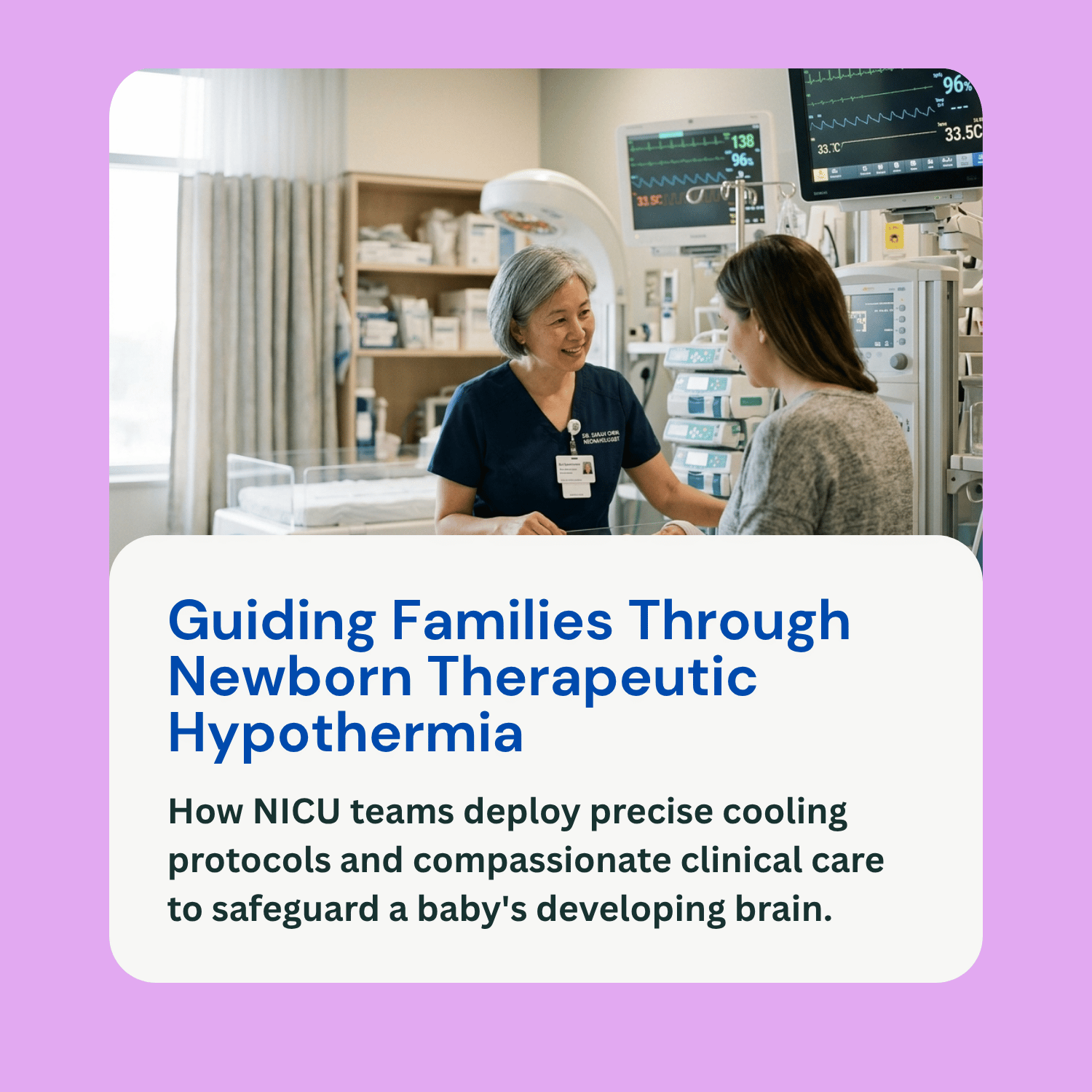
The therapeutic hypothermia process is meticulously managed inside a specialized NICU. The infant is placed on a fluid-filled cooling mattress or fitted with a specialized cooling cap that precisely controls their body temperature. A tiny temperature probe monitors core body warmth continuously to ensure the baby stays safely within the target range.
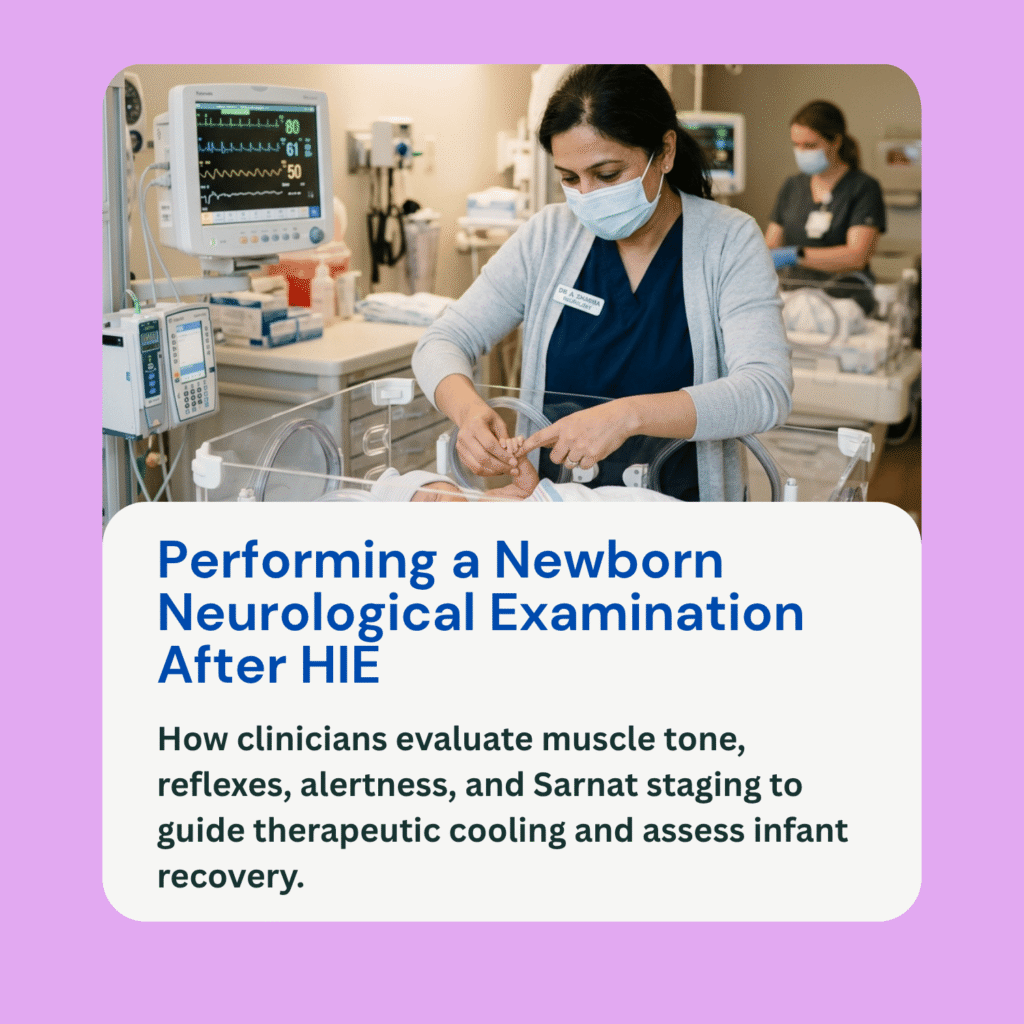
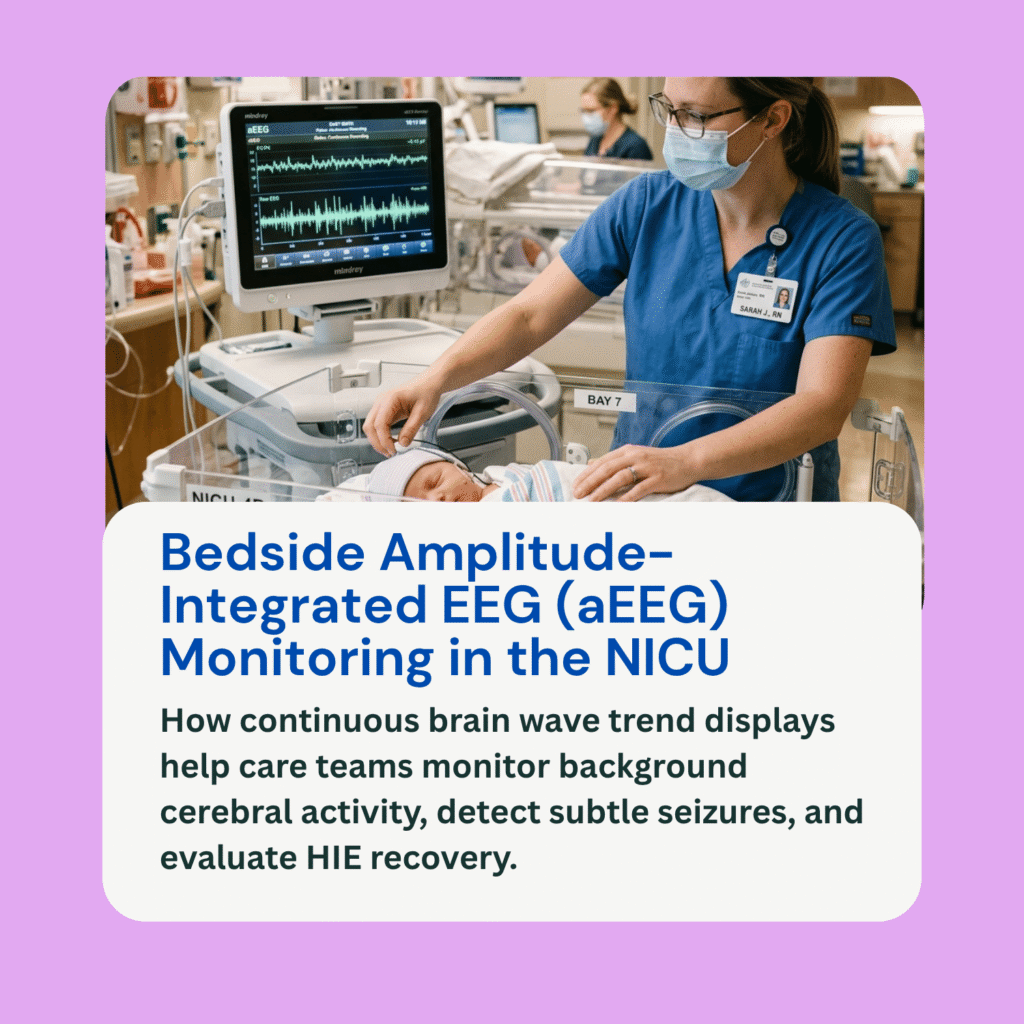
The continuous cooling phase lasts for exactly 72 hours. During this time, the baby will be resting quietly, often receiving mild sedatives or pain relievers like morphine to keep them completely comfortable and prevent shivering. The NICU team will closely monitor vital signs, run regular blood tests, and use electroencephalogram (EEG) sensors to track brain activity and manage any hidden seizures.
Once the 72-hour window finishes, the rewarming phase begins. The medical team slowly raises the baby’s temperature back to normal room levels over a period of 6 to 12 hours, bringing the baby back to a normal thermal state without stressing their cardiovascular system.
Expected Outcomes and Long-Term Protection
Extensive clinical research confirms that therapeutic hypothermia newborn protocols drastically improve a baby’s long-term outlook following severe birth asphyxia. Studies demonstrate that prompt cooling significantly reduces the overall risk of infant mortality and cuts the likelihood of severe lifelong neurodevelopmental disabilities.
By protecting vulnerable motor and cognitive centers in the brain, cooling therapy lowers the rate and severity of cerebral palsy, vision loss, hearing impairment, and cognitive delays. While cooling therapy cannot completely reverse tissue that died during the initial delivery event, it successfully rescues surrounding brain tissue, allowing the baby’s brain to utilize its natural neuroplasticity as they grow. After rewarming is complete, doctors typically perform an MRI scan to assess brain structure and guide the baby’s ongoing developmental support.
Frequently Asked Questions (FAQ)
Can I touch or hold my baby while they are undergoing cooling therapy?
While full skin-to-skin holding is usually paused during the active 72-hour cooling period to maintain exact core temperatures, parents are strongly encouraged to be present. You can gently place your hand on your baby, talk or sing to them, and participate in daily care routines alongside the NICU nurses.
Does cooling therapy hurt the baby?
Cold temperatures can naturally cause discomfort or shivering, which is known as cold stress. To keep your baby completely calm and comfortable, NICU teams administer gentle, low-dose pain or sedative medications as needed throughout the 72 hours.
What happens if a hospital doesn’t have a cooling therapy setup?
If a baby is born at a community hospital that lacks therapeutic hypothermia equipment, the medical team will initiate passive cooling—such as turning off radiant warmers—and arrange for an immediate emergency transport to a regional Level III or IV NICU. Specialized transport teams can maintain cooling protocols en route.
How soon after rewarming will we know if our baby has brain damage?
While immediate physical exams and EEG monitors provide valuable clues during the NICU stay, a brain MRI performed a few days after rewarming provides the clearest picture of brain health. Long-term outcomes are further evaluated through regular follow-up visits with pediatric neurologists as your child reaches early growth milestones.