
Can Meconium Aspiration Syndrome Cause Brain Damage?
During pregnancy, a fetus rests safely inside the amniotic sac, floating in clear, protective amniotic fluid. Under normal, non-stressful conditions, a baby’s first bowel movement—a dark green, tarry substance known as meconium—occurs after birth. However, if a baby experiences acute stress or oxygen deprivation while still in the womb, their body may react by passing meconium prematurely into the surrounding amniotic fluid.
When a distressed baby takes deep, gasping breaths before or during delivery, they can inhale this thick meconium mixture deep into their lungs. This severe respiratory emergency is called meconium aspiration syndrome (MAS). While MAS primarily impacts a newborn’s pulmonary system, its most dangerous secondary threat is systemic oxygen deprivation, which can lead to permanent infant brain damage. This educational guide explores how meconium aspiration develops, the physiological path to brain injury, emergency treatments, and long-term outcomes for affected children.
How Meconium Aspiration Syndrome Leads to Brain Damage
To understand how meconium aspiration syndrome causes neurological injury, it helps to look at what happens inside an infant’s airways when meconium is inhaled. Meconium is thick, sticky, and toxic to delicate lung tissue. Once inside the lungs, it acts like a physical plug, blocking the tiny air sacs (alveoli) and preventing the newborn from drawing in oxygen or exhaling carbon dioxide.
Beyond creating a physical obstruction, meconium causes severe chemical pneumonitis—an intense inflammatory reaction that breaks down the lung’s natural surfactant, causing the air sacs to collapse. As the lungs fail to exchange gases properly, the baby suffers from profound hypoxia (low tissue oxygen) and hypercapnia (high blood carbon dioxide). Deprived of oxygenated blood flow, the infant’s brain cells quickly begin to falter, setting off a cascade of cellular breakdown that leads to permanent brain tissue death.
Complications That Escalate Neurological Risk
In severe cases of meconium aspiration syndrome, secondary physiological complications develop that further compromise blood flow to the brain:
- Persistent Pulmonary Hypertension of the Newborn (PPHN): When meconium damages the lungs, the blood vessels in the infant’s lungs remain abnormally constricted. This prevents blood from entering the lungs to pick up oxygen, forcing unoxygenated blood to circulate throughout the baby’s body and brain.
- Hypoxic-Ischemic Encephalopathy (HIE): Severe MAS is a leading cause of HIE, an acute brain injury resulting from a lack of oxygenated blood flow during birth.
- Pneumothorax (Lung Collapse): Because meconium can act as a one-way valve—allowing air into the lungs but trapping it on the way out—air sacs can over-inflate and rupture, collapsing the lung and creating an acute cardiovascular crisis.
Emergency Delivery Room Treatments for MAS
When amniotic fluid is stained with meconium, the medical team must be prepared for immediate, aggressive delivery room management. The minute the baby is delivered, clinicians evaluate their vigor. If the baby is limp, pale, or not breathing, the resuscitation team must quickly clear the upper airway and intubate the baby to suction meconium out of the trachea before providing positive pressure ventilation.
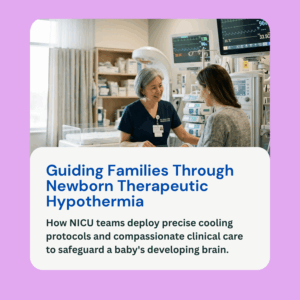
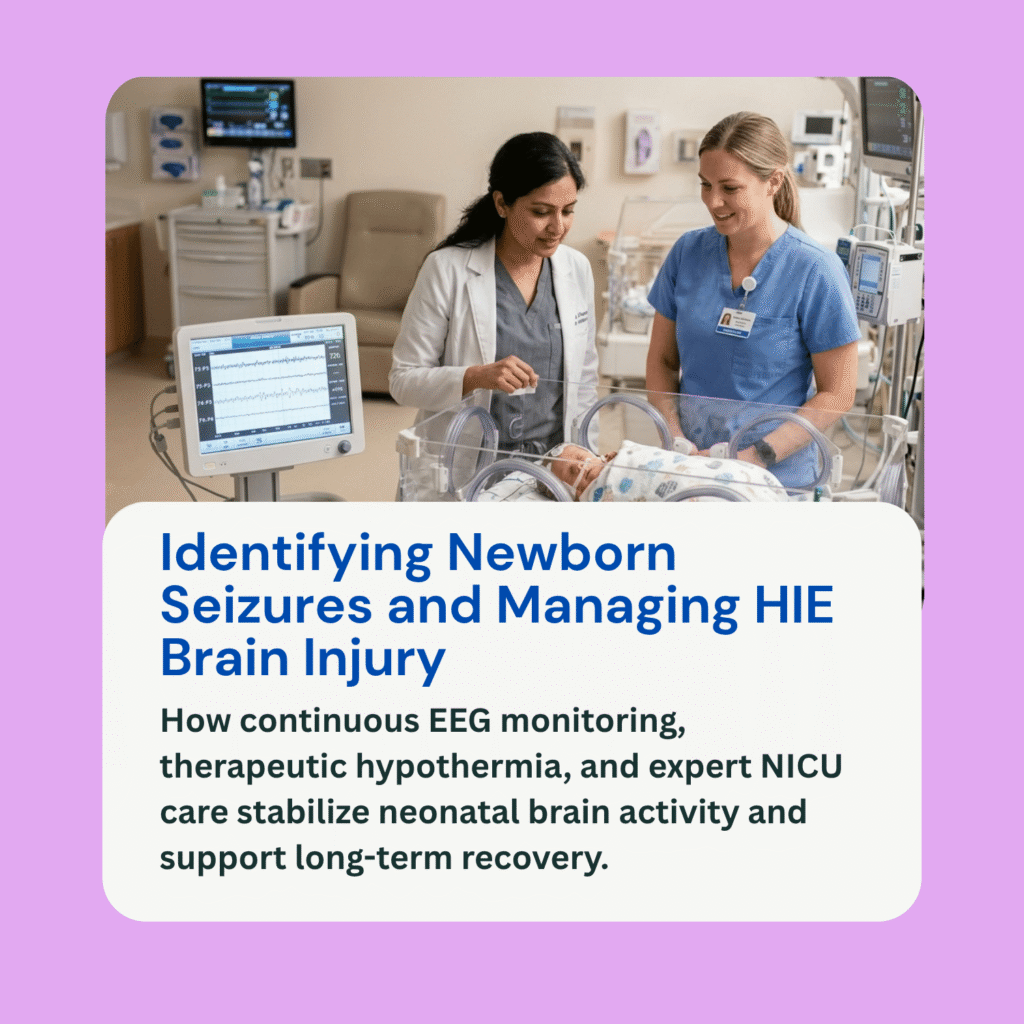
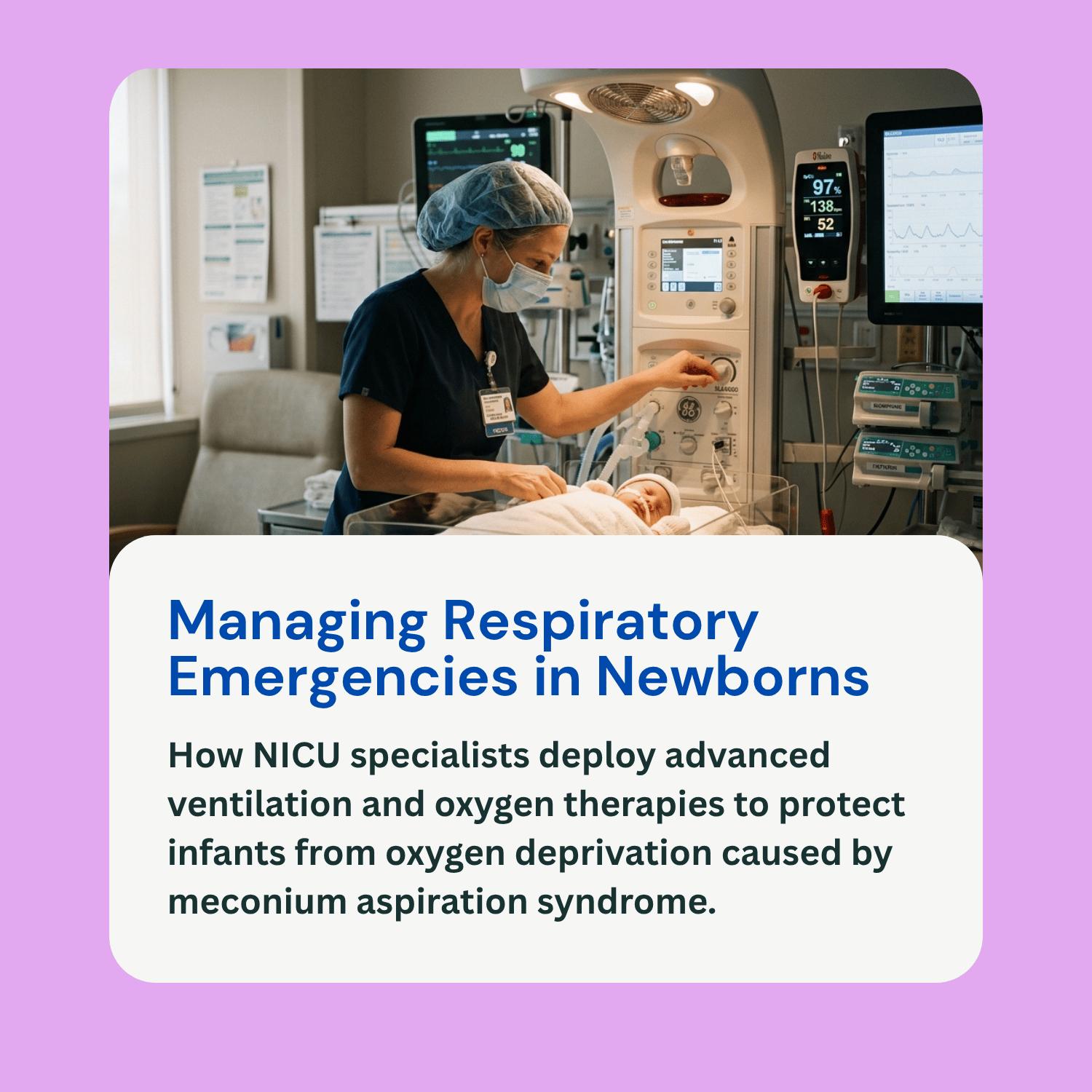
Once stabilized and transferred to the NICU, the infant may require advanced respiratory support, such as high-frequency oscillatory ventilation or surfactant replacement therapy to help the lungs re-expand. In extreme cases where the lungs and heart are failing due to PPHN, doctors deploy Extracorporeal Membrane Oxygenation (ECMO)—a specialized machine that functions as an external heart and lung to oxygenate the blood outside the body, giving the infant’s lungs time to heal while protecting the brain from further oxygen debt. If the infant displays signs of acute HIE from oxygen loss, therapeutic hypothermia (brain cooling) may also be initiated.
Long-Term Outcomes and Related Birth Injuries
The long-term outlook for a baby diagnosed with meconium aspiration syndrome depends on how quickly medical teams clear the airway, restore oxygen levels, and manage complications like PPHN. Many infants with mild or moderate MAS receive prompt treatment, recover fully within a few weeks, and experience no lingering health problems.
However, if oxygen deprivation is prolonged due to delayed C-section delivery or mismanaged resuscitation, the resulting brain injury can lead to lifelong neurodevelopmental conditions. Damage to the brain’s motor centers can result in cerebral palsy (CP), causing permanent issues with movement, muscle tone, and balance. Children may also face developmental delays, learning disabilities, vision or hearing impairments, or chronic seizure disorders as they grow.
Frequently Asked Questions (FAQ)
What causes a baby to pass meconium before birth?
Fetal stress is the primary trigger. Complications such as maternal high blood pressure, placental abruption, umbilical cord compression, post-term pregnancy (past 41 weeks), or prolonged labor can cut off a baby’s oxygen supply, causing their intestinal muscles to relax and release meconium into the amniotic fluid.
Is meconium aspiration syndrome always preventable?
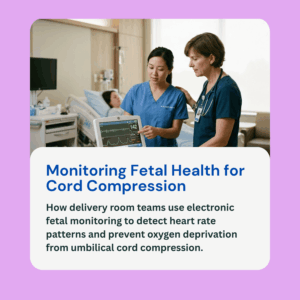
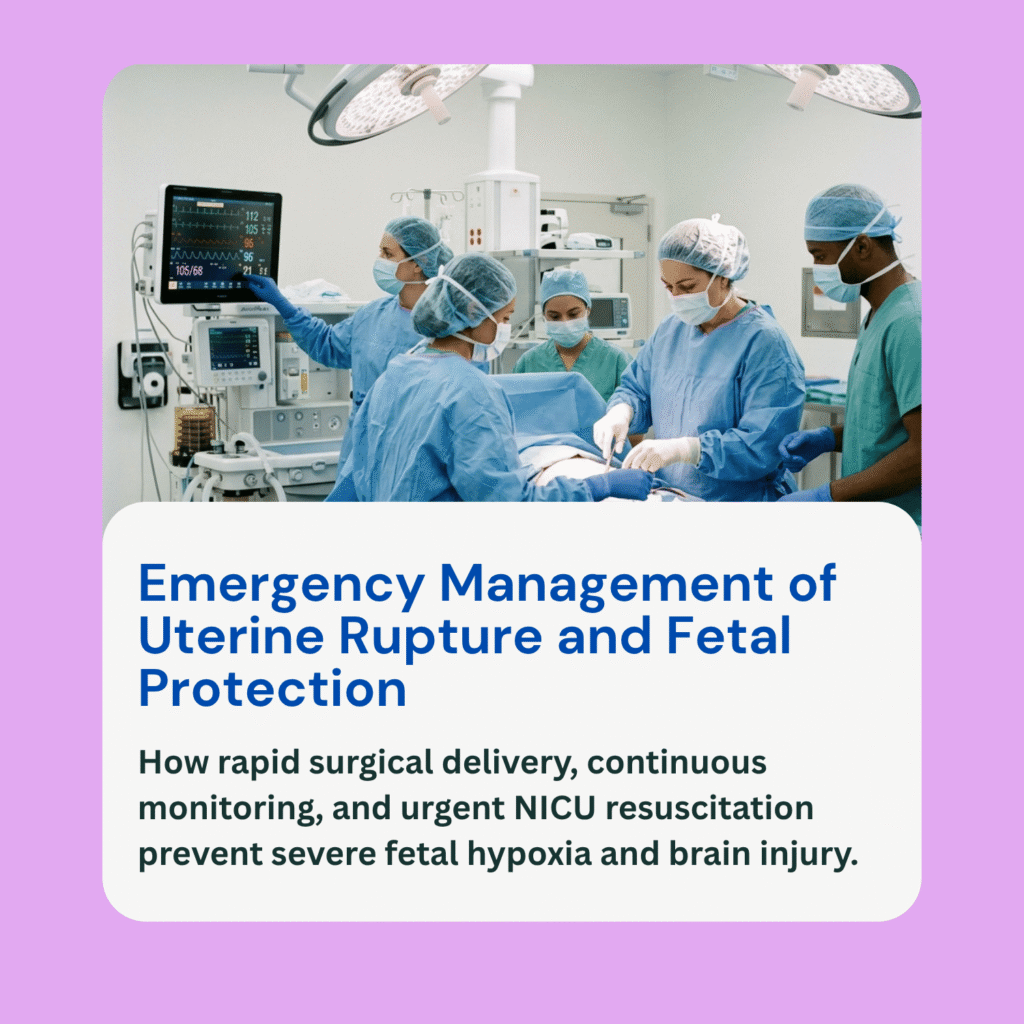
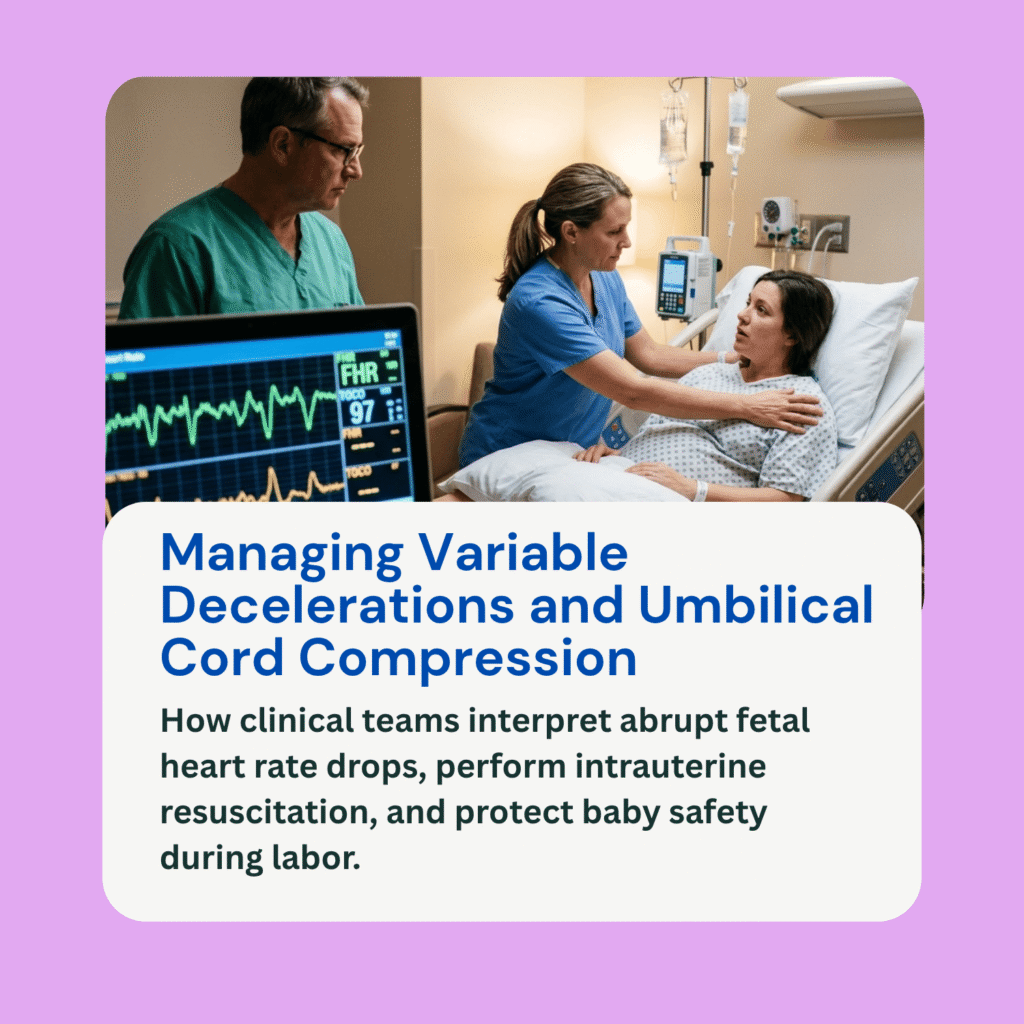
While passing meconium isn’t always preventable, severe MAS and resulting brain damage often are. Obstetric teams must closely monitor fetal heart rates for signs of distress. If heavy meconium staining is noticed along with alarming heart rate drops, the medical team is expected to act swiftly—often by performing an prompt C-section—to deliver the baby before severe aspiration occurs.
How long does a baby with meconium aspiration stay in the NICU?
NICU stays range from a few days for mild cases requiring basic oxygen support to several weeks or months for severe cases involving ventilators, ECMO, or brain cooling protocols.
Does inhaling meconium always cause brain damage?
No. Inhaling meconium primary affects the lungs. Brain damage only occurs if the meconium severely blocks air exchange for an extended period, leading to deep, prolonged systemic oxygen deprivation (hypoxia) that starves the brain cells.