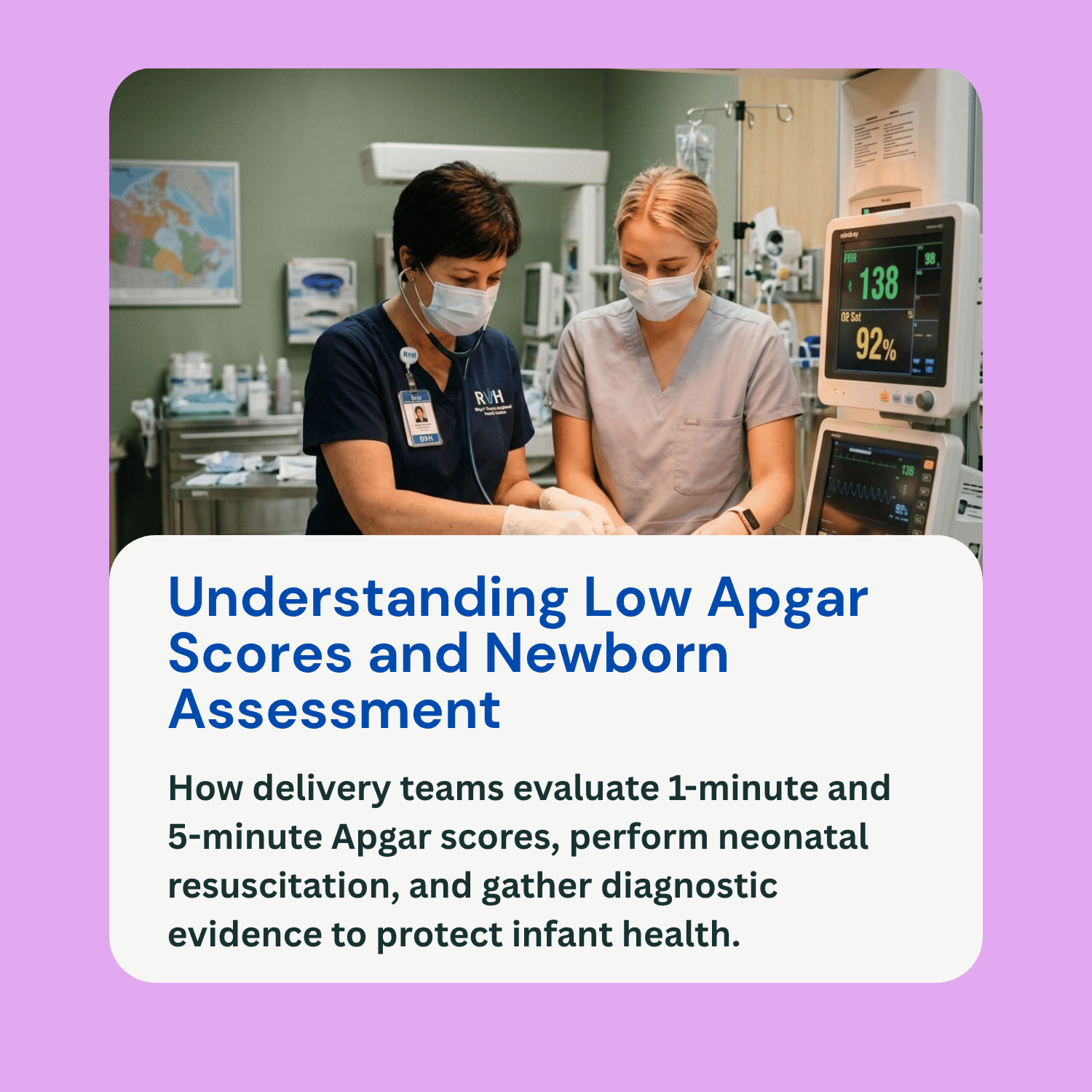

Can a Low Apgar Score Indicate a Birth Injury?
Within moments of a baby’s arrival in the delivery room, healthcare providers perform a rapid standardized assessment known as the Apgar score. Created in 1952 by Dr. Virginia Apgar, this numerical evaluation provides labor and delivery teams with a quick, universal method to report a newborn’s physical condition immediately after birth.
When parents hear that their newborn received a low score, worry naturally arises. A frequent concern for families navigating high-risk nursery admissions is whether a low Apgar score birth injury link exists. A low Apgar score indicates that an infant required immediate medical assistance or resuscitation upon delivery, often due to acute stress or temporary oxygen deprivation during labor. However, an Apgar score alone is not a definitive diagnosis of permanent brain damage or medical negligence. Instead, it serves as an initial clinical snapshot that must be evaluated alongside umbilical cord blood gases, continuous fetal monitoring records, neuroimaging, and newborn physical examinations. This guide explains what Apgar scores evaluate, how medical teams respond to low numbers, and how scores fit into the broader clinical picture.
What the Apgar Score Measures
The Apgar assessment is performed at 1 minute and 5 minutes after birth. If the 5-minute score remains low (below 7), testing is repeated every 5 minutes up to 20 minutes. The scoring system evaluates five specific physical signs, awarding 0, 1, or 2 points for each category:
Appearance (Skin Color): Checks whether the baby is completely pink (2 points), pink with blue hands and feet (1 point), or pale/blue all over (0 points).
Pulse (Heart Rate): Measures heart function. A rate above 100 beats per minute receives 2 points; below 100 receives 1 point; an absent heartbeat receives 0 points.
Grimace (Reflex Irritability): Evaluates how the baby responds to mild stimulation, such as suctioning or tactile stimulation. Crying or pulling away gets 2 points; facial grimacing gets 1 point; no response receives 0 points.
Activity (Muscle Tone): Assesses muscle tone and movement. Active, flexed limbs score 2 points; some flexion of arms and legs scores 1 point; limp or floppy tone scores 0 points.
Respiration (Breathing Effort): Assesses lung function. A strong, robust cry scores 2 points; slow, irregular, or shallow breathing scores 1 point; absent breathing scores 0 points.
Interpreting Scores and Immediate Clinical Responses
Total Apgar scores range from 0 to 10. Clinicians categorize these results to guide immediate delivery room management:
Normal (Scores 7 to 10): Indicates that the newborn is adjusting well to extrauterine life and requires standard supportive care, such as skin-to-skin contact and routine warming.
Moderately Low (Scores 4 to 6): Signals that the baby is having some difficulty transitioning and requires immediate supportive intervention, such as airway suctioning, tactile stimulation, or supplemental oxygen administration.
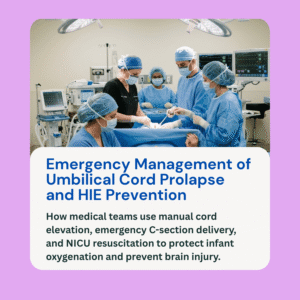
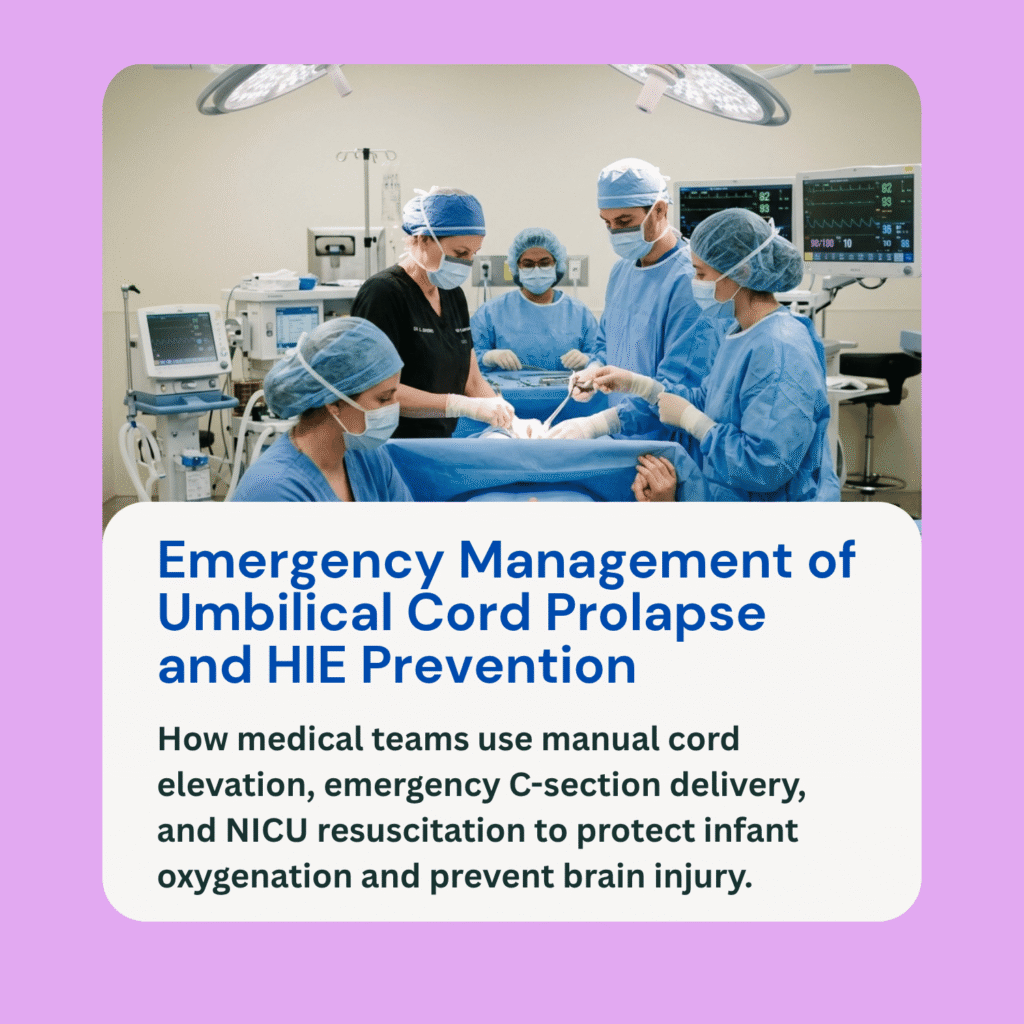
Critically Low (Scores 0 to 3): Indicates severe physiological distress. A score in this range demands immediate, high-level neonatal resuscitation, including positive pressure ventilation, endotracheal intubation, intravenous fluids, and chest compressions.
The 1-minute score reflects how well the baby tolerated the physical process of labor and delivery. The 5-minute score is clinically more significant because it measures how effectively the newborn responded to initial resuscitation efforts.
Why a Low Apgar Score Alone Does Not Predict Outcome or Negligence
While a persistently low Apgar score alerts clinicians to potential fetal stress, medical consensus from the American Academy of Pediatrics (AAP) and the American College of Obstetricians and Gynecologists (ACOG) emphasizes that an Apgar score cannot be used as sole proof of an isolated birth injury or medical malpractice:
Multi-Factorial Causes: A low Apgar score can stem from non-injury causes, including extreme prematurity, maternal medication or anesthesia exposure, congenital heart or airway defects, spinal abnormalities, or active systemic infections.
Subjectivity and Limitations: The Apgar score involves subjective human evaluation, particularly regarding skin color and reflex response. Furthermore, in extremely premature infants, low muscle tone and diminished respiration reflect developmental immaturity rather than intrapartum hypoxia.
Evaluating the Complete Medical Picture: To determine whether a low Apgar score relates to Hypoxic-Ischemic Encephalopathy (HIE) or an intrapartum birth injury, neonatologists look for a combination of clinical criteria. These include severe umbilical cord blood arterial acidosis (pH less than 7.0 or base deficit of 12 mmol/L or greater), early-onset moderate or severe encephalopathy, evidence of multi-organ dysfunction (kidney, liver, or heart failure), and pattern-specific brain injury identified on early neonatal MRI scans.
Follow-Up Diagnostic Workup and Long-Term Care
When a baby receives a persistently low Apgar score at 5 or 10 minutes, the medical team initiates comprehensive monitoring in the NICU:
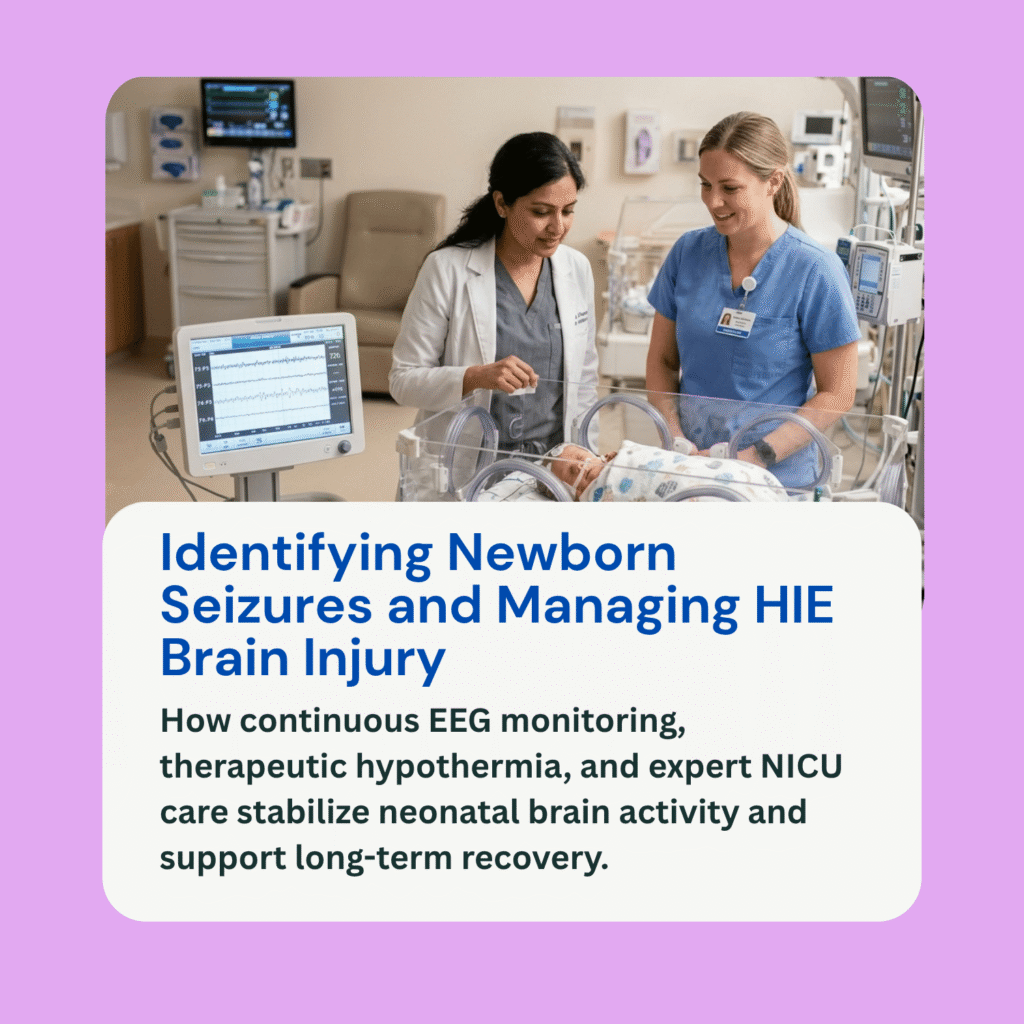
If the infant meets criteria for moderate to severe HIE within the first six hours of birth, therapeutic hypothermia (cooling therapy) is started immediately to mitigate secondary cellular damage. Continuous amplitude-integrated EEG (aEEG) monitoring tracks brain wave patterns and checks for subtle seizure activity. Over the following days, brain MRI scans help doctors map out the location and severity of any cellular injury in the basal ganglia or white matter.
For children who suffer long-term neurological complications such as cerebral palsy, developmental delays, or motor impairments, early enrollment in pediatric therapy—including physical, occupational, and speech rehabilitation—provides the foundation for maximizing developmental potential.
Frequently Asked Questions (FAQ)
Is a score of 10 out of 10 common for newborns?
No. It is very rare for a newborn to receive a perfect score of 10 at 1 minute. Almost all healthy babies have slightly bluish hands and feet shortly after delivery (acrocyanosis), resulting in a score of 9 out of 10, which is completely normal.
What is considered a dangerous Apgar score?
An Apgar score of 3 or below at 5 minutes indicates severe physiological distress and warrants immediate, life-sustaining medical resuscitation and urgent NICU admission.
Can a baby with a low 1-minute Apgar score grow up completely healthy?
Yes. Many babies who receive a low score at 1 minute respond quickly to brief resuscitation, achieve a normal 5-minute score (7 or higher), and experience normal developmental progression without long-term health complications.
When should a low Apgar score prompt a legal review?
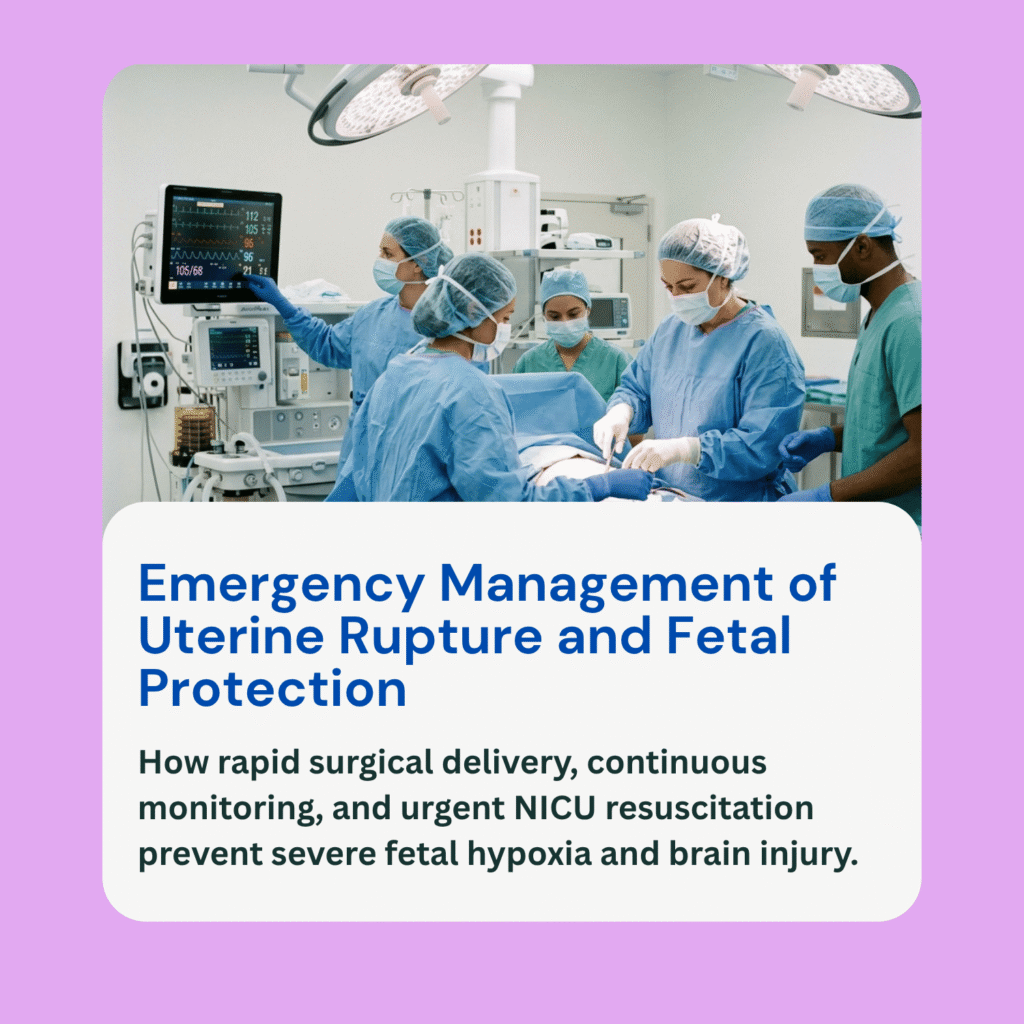
If a low 5-minute or 10-minute Apgar score occurs alongside signs of oxygen starvation during labor—such as unmanaged Category III heart rate decelerations, delayed emergency C-section, severe cord blood acidosis, or an HIE diagnosis—parents may seek a medical-legal review to determine if the outcome resulted from preventable medical errors.