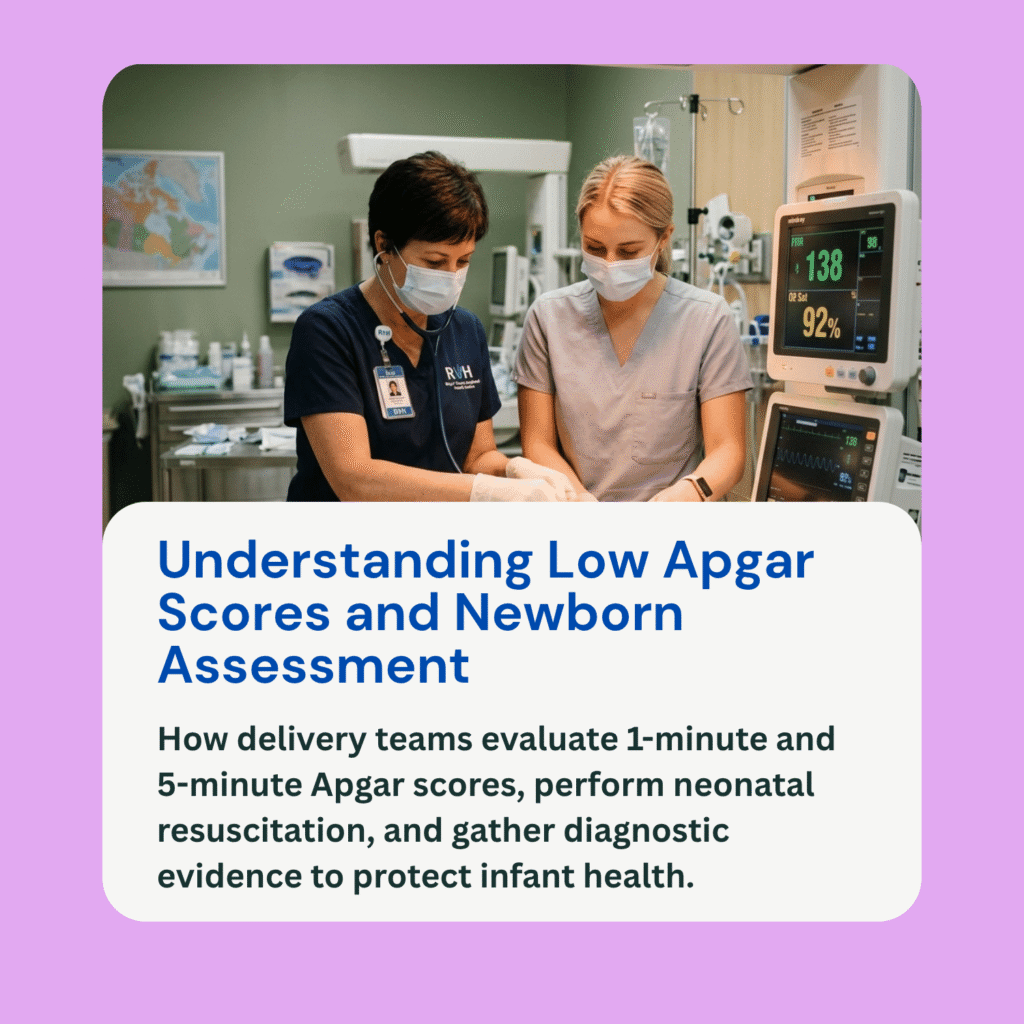

What Do Umbilical Cord Blood Gas Results Mean for a Newborn?
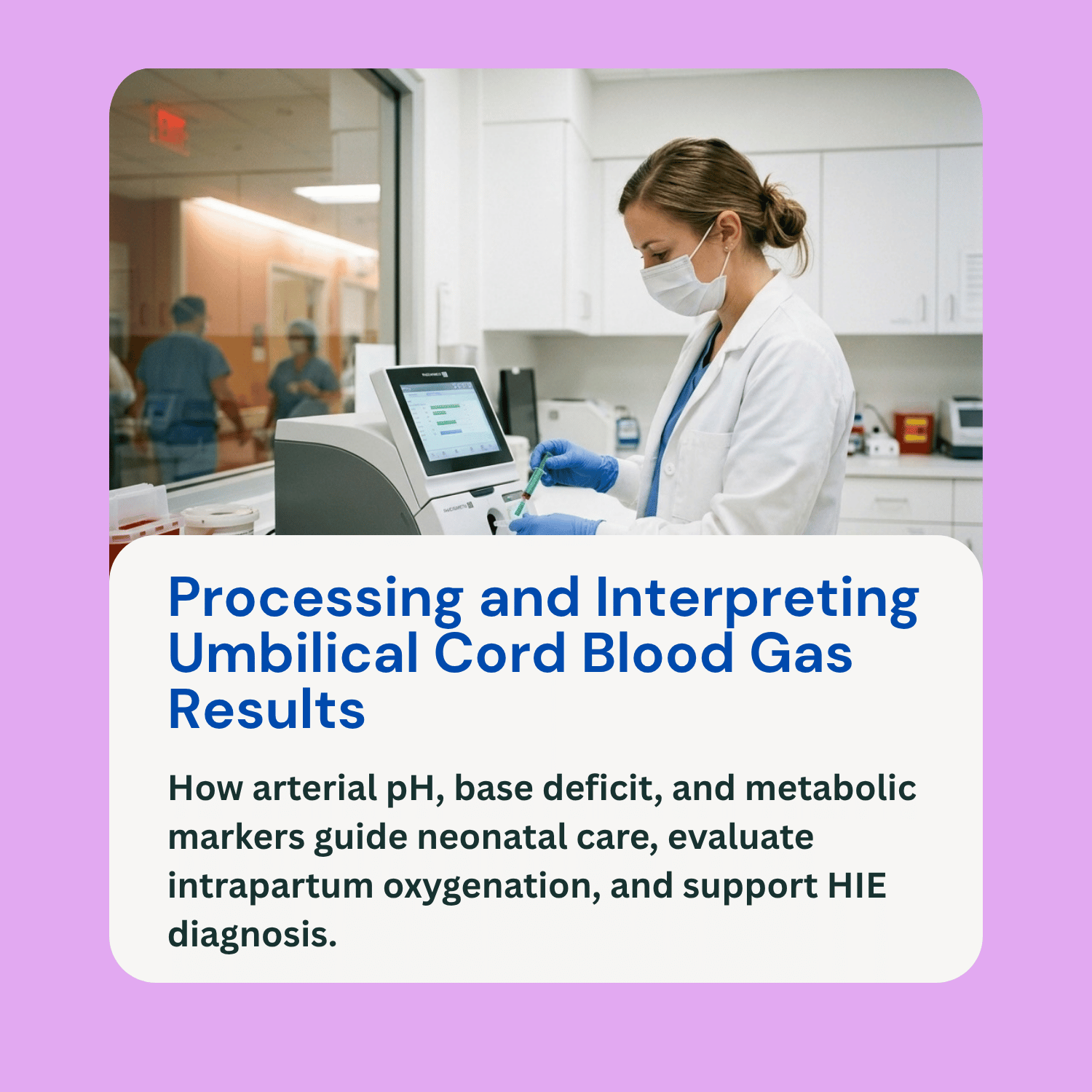
Immediately following the delivery of a newborn—particularly after a high-risk labor or an emergency delivery—the clinical team often clamps a double segment of the umbilical cord to draw blood samples. Testing these cord blood samples provides an objective, snapshot evaluation of the baby’s metabolic state right at the moment of birth.
When parents see technical numbers like pH and base deficit in their newborn’s medical records, it can feel overwhelming. A central question for families navigating high-risk nursery care is what umbilical cord blood gas results newborn metrics actually indicate. In short, cord blood gases reveal whether the baby experienced significant oxygen deprivation or acid buildup during labor and how severe that stress was. However, blood gas numbers alone do not diagnose permanent injury or prove medical negligence; they represent one critical piece of a larger clinical puzzle that includes fetal heart rate monitoring, Apgar scores, continuous EEG, and neuroimaging. This educational guide breaks down how cord blood gases are sampled, what specific parameters mean, and how clinicians interpret abnormal values.
Arterial vs. Venous Cord Blood Samples
To accurately evaluate a newborn’s physiological status, clinicians collect blood from two distinct blood vessels within the umbilical cord:
Umbilical Arterial Sample: The umbilical cord contains two umbilical arteries that carry deoxygenated blood and metabolic waste products away from the baby back to the placenta. Testing arterial blood reflects the baby’s actual tissue acid-base and metabolic state at the time of delivery. An arterial sample is the most accurate indicator of fetal stress.
Umbilical Venous Sample: The single umbilical vein carries oxygenated, nutrient-rich blood from the placenta to the fetus. Testing venous blood reflects placental function and maternal blood status.
Comparing arterial and venous results allows neonatologists to differentiate between maternal factors, placental dysfunction, and acute fetal stress. For instance, if the venous blood gas is completely normal but the arterial sample shows severe acid buildup, it indicates that the metabolic stress originated within the fetus rather than from poor placental perfusion alone.
Key Parameters: Understanding pH and Base Deficit
Laboratory reports for umbilical cord blood gases focus on two primary interrelated measures:
Umbilical Cord pH: Measure of acidity versus alkalinity in the blood. Normal umbilical arterial pH in a healthy term newborn typically ranges between 7.20 and 7.30. A lower pH value signifies higher blood acidity (acidemia).
Base Deficit / Base Excess: Indicates whether the acidemia is caused by a temporary stress or a deeper cellular metabolic issue. Base deficit measures the concentration of buffer substances (like bicarbonate) available to neutralize acid. A normal base deficit is typically between 0 and -4 mmol/L. A higher base deficit (e.g., 12 mmol/L or greater) indicates that tissue reserves have been exhausted by severe cellular hypoxia.
Categorizing Acidemia: Respiratory vs. Metabolic
When cord blood gas results show abnormal values, neonatologists classify the acidemia into distinct physiological types:
Respiratory Acidemia: Occurs when umbilical blood flow is temporarily impeded—such as during brief cord compression—causing acid to accumulate briefly in the fetal circulation. This lowers the arterial pH below 7.20, but the base deficit remains within normal limits (below 12 mmol/L). Respiratory acidemia is common, usually temporary, and rarely leads to long-term brain injury.
Metabolic Acidemia: Develops when sustained oxygen starvation forces the baby’s tissues to burn glucose without oxygen (anaerobic metabolism), producing lactic acid. In pure metabolic acidemia, the arterial pH drops below 7.00, and the base deficit rises sharply to 12 mmol/L or higher.
Mixed Acidemia: Combines both temporary acid retention and significant metabolic lactic acid buildup. This pattern reflects both mechanical cord restriction and prolonged systemic oxygen deprivation.
How Abnormal Values Prompt Clinical Evaluation
Major professional guidelines from the American Academy of Pediatrics (AAP) and the American College of Obstetricians and Gynecologists (ACOG) define a significant threshold for potential intrapartum hypoxic risk: an umbilical arterial pH of less than 7.00 combined with a base deficit of 12 mmol/L or greater.
When a newborn’s arterial cord gases cross this critical metabolic threshold, the medical team acts immediately:
The infant is admitted to the NICU for continuous neurological monitoring. Clinicians evaluate the baby for signs of neonatal encephalopathy, such as floppy muscle tone (hypotonia), weak reflexes, or altered consciousness. If the baby meets criteria for moderate to severe Hypoxic-Ischemic Encephalopathy (HIE) within six hours of life, therapeutic hypothermia (cooling therapy) is initiated to protect brain tissue from secondary damage.
Evaluating Cord Gases Within the Full Clinical Picture
It is vital to understand that an abnormal umbilical cord blood gas result is not a standalone diagnosis of permanent brain injury or proof of medical negligence:
Diagnostic Limits: Many newborns with significantly abnormal cord blood gases respond well to rapid resuscitation, show no signs of clinical encephalopathy, and go on to develop normally without brain damage. Conversely, an infant can experience normal cord blood gases if an acute neurological event occurred days before labor or well after delivery.
Establishing Causation: Determining whether an injury occurred during labor requires analyzing cord blood gas results alongside the complete medical record—including electronic fetal monitoring traces, the timing of clinical interventions, 5-minute and 10-minute Apgar scores, bedside continuous EEG wave patterns, and neonatal brain MRI scans.
Frequently Asked Questions (FAQ)
What is considered a normal umbilical cord blood gas result?
In a healthy term newborn, a normal umbilical arterial pH ranges from 7.20 to 7.30, with a base deficit between 0 and 4 mmol/L.
Can a baby have a low cord pH and still be completely fine?
Yes. A low cord pH (acidemia) shows that the baby experienced physiological stress during delivery, but it does not mean permanent injury has occurred. If the acidemia is mild or transient and the baby responds quickly to supportive care, most infants recover without any long-term neurological complications.
Why is base deficit more important than pH when evaluating HIE?
While pH measures overall blood acidity, base deficit specifically measures whether tissues were forced into anaerobic metabolism due to severe, prolonged oxygen loss. A base deficit of 12 mmol/L or higher directly correlates with metabolic stress and potential tissue injury, making it a key criterion for HIE evaluation.
How do cord blood gases factor into medical malpractice reviews?
Cord blood gases provide objective evidence regarding the timing and severity of oxygen deprivation. In legal reviews, a severe metabolic acidemia (pH < 7.00, base deficit ≥ 12 mmol/L) helps establish whether an hypoxic event occurred during active labor, which experts then compare against fetal heart monitoring traces to determine if care met clinical standards.