
Birth Asphyxia: Causes, Symptoms, and Long Term Effects in Newborns
Birth asphyxia is one of the most frightening and technically demanding obstetric emergencies that can occur during childbirth. It is defined as a failure to initiate and sustain breathing at birth, leading to oxygen deprivation. When a baby’s supply of oxygenated blood is cut off or severely restricted during labor or the final stages of delivery, the potential for permanent, devastating brain damage begins immediately. While the medical team has sophisticated protocols for intervening, when handled poorly, the results are often life-altering physical or cognitive injuries that do not become fully apparent for months or even years.
Table of Contents
- What is Birth Asphyxia?
- The Chain of Causes: When Oxygen Flow Stops
- Warning Signs of Fetal Distress During Labor
- Symptoms of Neonatal Asphyxia After Delivery
- Neurological Complications: HIE and Brain Injury
- Long-Term Effects: Cerebral Palsy and Developmental Delays
- Standard of Care in the NICU: Resuscitation and Therapeutic Hypothermia
- Securing Your Family’s Future After a Traumatic Birth
What is Birth Asphyxia?
Birth asphyxia is a clinical diagnosis applied when a newborn is deprived of oxygen just before, during, or after delivery. This lack of oxygenated blood to the brain is a process that medical providers refer to as hypoxia-ischemia. When this process occurs, the brain cannot sustain normal metabolic function, and cells begin to die almost immediately. The danger is twofold: the immediate injury caused by the lack of fuel, followed by a secondary “reperfusion injury” that happens as blood flow returns, potentially causing further inflammation and stress on the recovering brain cells.
Malpractice in asphyxia cases rarely centers on the fact that the complication occurred, as it is often an unpredictable medical event. Instead, the negligence typically lies in the medical team’s response to the emergency. If doctors fail to monitor known risk factors, ignore signs of fetal distress, or delay performing an emergency C-section, they allow the critical oxygen deprivation to continue, directly leading to a preventable brain injury. This failure to plan for and respond to known risks is often the first link in the chain of negligence.
The Chain of Causes: When Oxygen Flow Stops
The specific causes of birth asphyxia are diverse, yet they all lead to the same catastrophic result. The most common causes are related to placental issues, where the placenta—the baby’s life support—either detaches from the uterus prematurely (placental abruption) or is placed abnormally (placenta previa). These acute events cause an immediate drop in oxygen transfer. Other placental causes include severe maternal high blood pressure (preeclampsia) which can restrict blood flow to the placenta over a prolonged period.
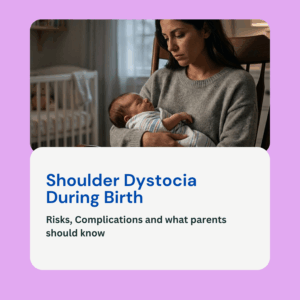
Umbilical cord complications are another major cause. If the cord is compressed tightly, twisted into a true knot, or prolapses into the cervix before the baby, the critical flow of blood is mechanically stopped. Furthermore, mechanical labor difficulties, such as when the baby’s shoulders get stuck (shoulder dystocia), can also lead to asphyxia if the impaction is not resolved within approximately five to seven minutes. In all these cases, the physician’s ability to remain calm and follow protocol is the only thing standing between a safe delivery and a life-altering injury.
Warning Signs of Fetal Distress During Labor
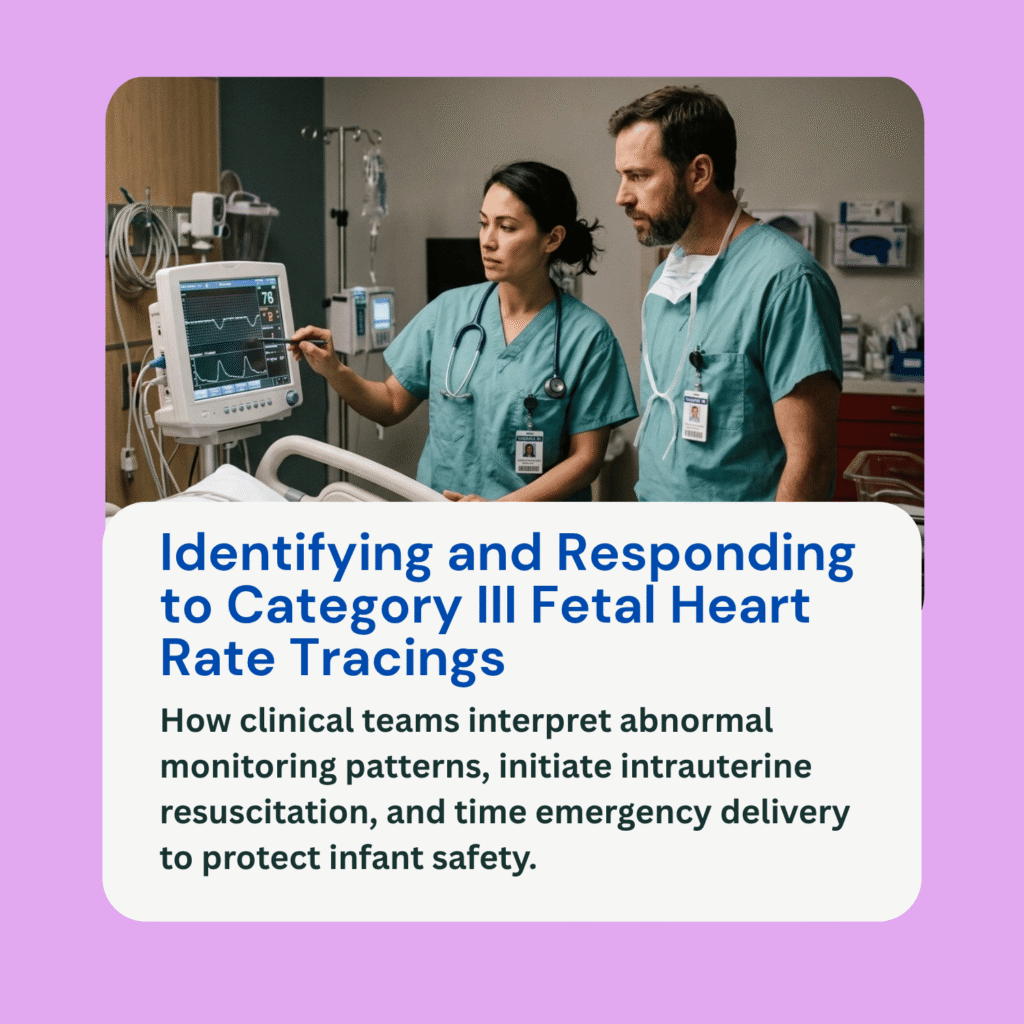
While asphyxia cannot always be predicted, it is frequently anticipated. The presence of several high-risk factors—such as macrosomia (an excessively large baby), maternal obesity, or gestational diabetes—should put the medical team on high alert. However, the most immediate “red flag” occurs during labor when the electronic fetal monitor indicates fetal distress. A distressed baby often shows prolonged heart rate decelerations or a lack of variability, signaling that they are no longer tolerating the stress of contractions.
A particularly alarming indicator is “non-reassuring fetal heart tones,” often described by medical professionals as a Category III tracing. This pattern, characterized by sinusoidal wave patterns or variable decelerations, is a clear warning that the baby is compromised and that an immediate mechanical solution, usually an emergency C-section, is required. If the medical team panics or dismisses these patterns, they are committing a direct violation of the standard of care by allowing preventable asphyxia to continue.
Symptoms of Neonatal Asphyxia After Delivery
The primary indicator of asphyxia immediately after delivery is the Apgar score, which is a rapid evaluation of the baby’s physical condition at one, five, and sometimes 10 minutes. Apgar scores are calculated based on color, heart rate, reflexes, muscle tone, and respiration. Low Apgar scores (generally less than three) are a strong indicator that the baby experienced significant oxygen deprivation and require immediate resuscitation and NICU care.
Other visible signs include the baby being born limp, bluish, or completely unresponsive. The baby may also show symptoms of seizures or abnormal neurological behavior within the first day of life. If you remember a chaotic environment where nurses and doctors rushed to the nursery, or if a doctor panics and begins a frantic resuscitation, you likely witnessed medical malpractice in action. This state of constant high alert leads to exhaustion and requires complex, expensive specialized treatment that represents a significant portion of “damages” in a birth injury claim.
Neurological Complications: HIE and Brain Injury
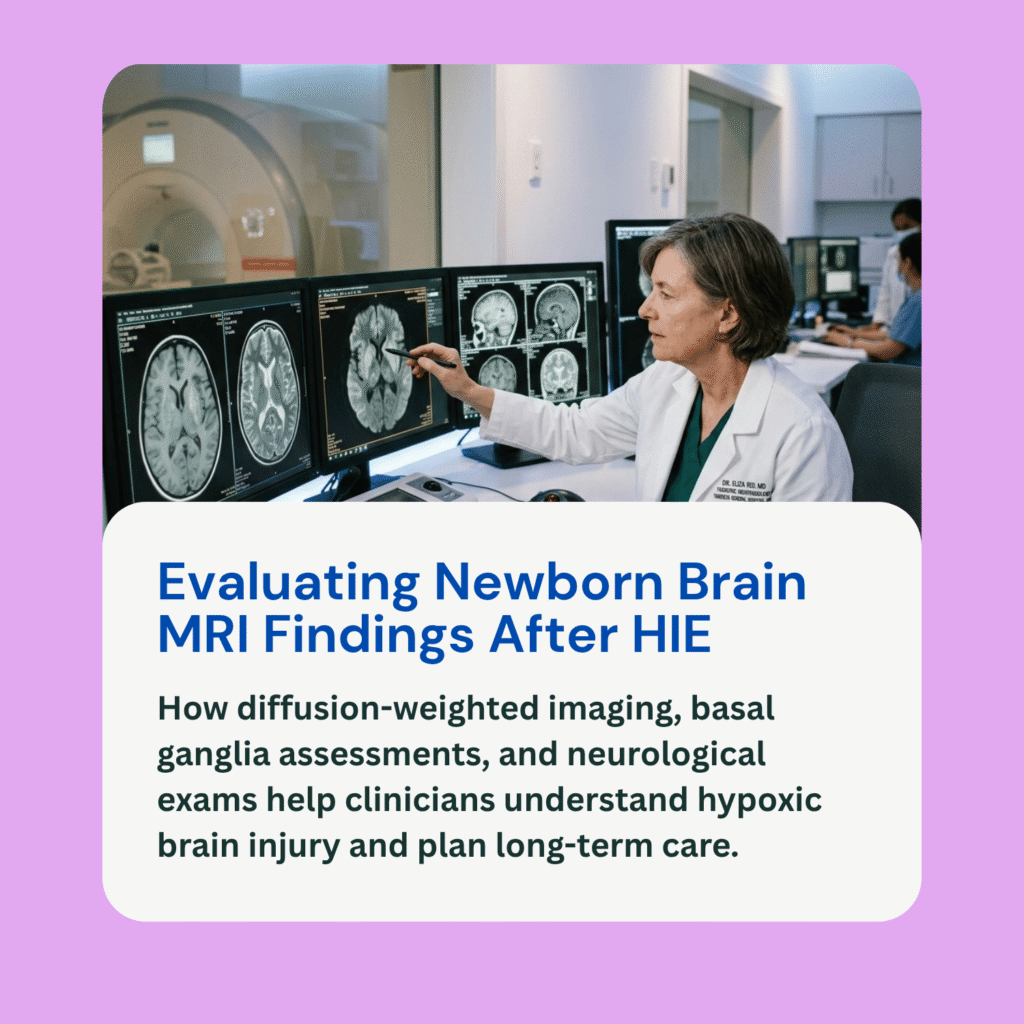
The most common, catastrophic neurological injury resulting from birth asphyxia medical malpractice is Hypoxic-Ischemic Encephalopathy (HIE). HIE is a specific diagnosis given to a newborn who suffered brain dysfunction after a prolonged lack of oxygenated blood. It is a biological and psychological response to an overwhelming medical event that alter a baby’s brain chemistry. HIE can range from mild (stage I) where the child may fully recover, to severe (stage III) which involves significant brain damage or total paralysis.
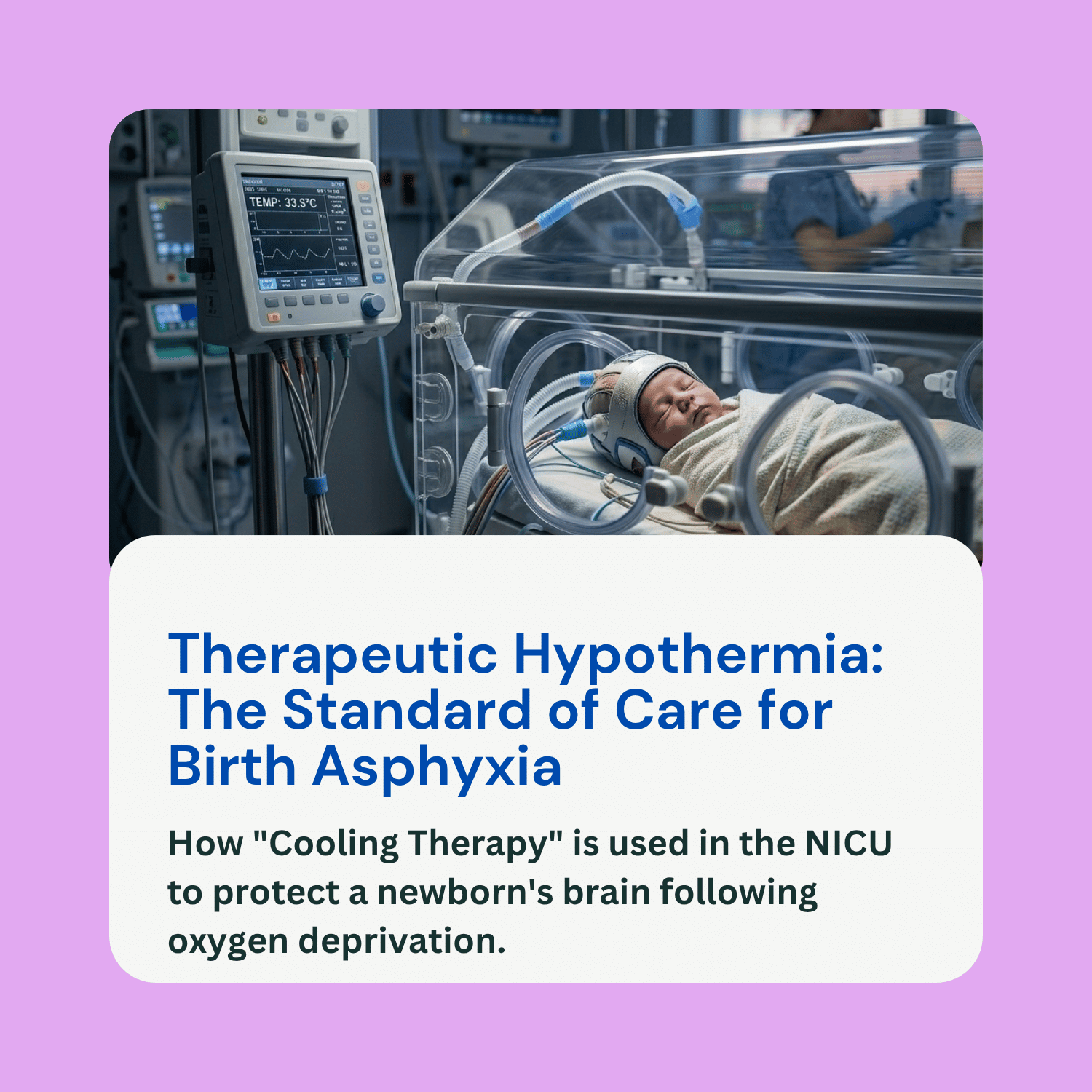
A critical point of malpractice lies in the timely implementation of therapeutic hypothermia, also known as “cooling therapy.” This sophisticated treatment involves cooling the baby’s body or head immediately after birth to lower the core temperature to approximately 33.5°C (92.3°F) for 72 hours. This treatment is expensive and painful, yet it is currently the standard of care to minimize cell death following an HIE event. If a medical team skips this critical intervention, they are allowing preventable neurological damage to continue, violating the required medical protocol.
Long-Term Effects: Cerebral Palsy and Developmental Delays
The long-term effects of birth asphyxia often manifest as conditions that affect the child for their entire life. Cerebral palsy is the most common disability, characterized by motor dysfunction and a “loss of future earning capacity” as the child cannot adapt physically in ways that were previously normal. Parents should recognize that this disability is root cause in birth trauma medical malpractice, stripping a person of their future. These injuries are almost always preventable if the medical team used internal maternal clinical skill rather than force-based maneuvers.
In addition to cerebral palsy, other effects like developmental delays or Klumpke’s palsy can occur. This chronic stress can lead to visible disability, a visible sense of low self-esteem, and visible difficulty in all activities of daily life. This compensation is a complex, painless way for a jury to recognize the total plexus palsy that robbed a child of a “normal” childhood. A New York birth injury law firm with specific experience can investigate your case for these systemic failures, proving that the medical staff used too much physical power and not enough clinical skill.
Standard of Care in the NICU: Resuscitation and Therapeutic Hypothermia
The focus rarely stems from the initial impaction itself; instead, the active negligence typically lies in the immediate “response.” Malpractice in asphyxia cases focuses on the standard of care of the NICU, specifically the duty to call for Help immediately and evaluate the potential necessity of an episiotomy (H-E-L-P-E-R-R). If a doctor skips these internal repositioning maneuvers to call extra personnel and goes straight to aggressive fundal pressure or excessive traction on the head, they are committing active negligence that snaps or permanently scars the delicate brachial plexus nerves.
A lawsuit focuses on proving active negligence rather than an omission. In an HIE case, the active act of pushing from the top or failing to remove the posterior arm directly caused the nerve damage. If you witnessed a doctor or nurse leaning on your stomach or applying violent force, they were not only increasing maternal uterine rupture risks but were increasing the chance of fractured humerus or clavicle. Legal accountability sends a message that speed and force are catastrophic during a medical crisis.
Securing Your Family’s Future After a Traumatic Birth
If your child was born unresponsive following a traumatic delivery involving fetal distress or delayed intervention, you have a right to hold the medical team accountable for their permanent injuries. Proving active medical negligence rarely stems from a standard complication itself; instead, it centers on proving “prima facie” evidence that natural maternal forces rarely tear nerves. This process is a high legal bar that requires specialized New York forensic experts to project future costs of a child born with a severe disability.
Families struggling with guilt and anxiety are not alone; these injuries are complex, painful, and often hidden in the medical records. The financial burden is substantial, but accountability sending a message to hospital that they must prioritize safety and protocol. For minors, the law provides a statute of limitations but New York families have much shorter deadlines for their own emotional distress and economic damages. A dedicated firm can investigate your case to preserve evidence and ensure no deadlines are missed, allowing you to move from feeling like a victim to a powerful advocate for your child’s well-being.