

10 Things That Put You at Higher Risk for Birth Injury
The birth of a child is a complex physiological event that requires precise medical oversight. While many deliveries proceed without issue, certain clinical variables can significantly increase the likelihood of a birth injury. In the legal and medical worlds, these variables are known as birth injury risk factors.
When a healthcare provider identifies a risk factor, the “standard of care” requires them to monitor the situation with heightened vigilance and intervene if the safety of the mother or baby is threatened. From a legal standpoint, a “risk factor” is a warning sign. If a doctor ignores that warning and your child is injured, that failure often constitutes medical negligence. Below are 10 critical factors that put a delivery at higher risk for a preventable birth injury.
1. Gestational Diabetes and Macrosomia
Gestational diabetes affects nearly 10% of pregnancies in the United States. When a mother’s blood sugar is not strictly controlled, the excess glucose crosses the placenta, causing the baby to put on excessive weight. This results in macrosomia—a baby weighing over 8 pounds, 13 ounces.
The Legal Connection: Macrosomia is a major risk factor for shoulder dystocia, where the baby’s shoulder becomes wedged behind the mother’s pelvic bone. If a doctor fails to offer a C-section for a known macrosomic baby, or if they use excessive “traction” (pulling) to resolve shoulder dystocia, they may be liable for Brachial Plexus injuries or Erb’s Palsy.
2. Pre-eclampsia and Maternal Hypertension
Pre-eclampsia is a hypertensive disorder characterized by high blood pressure and organ distress. This condition causes the blood vessels in the placenta to constrict, which can lead to chronic oxygen deprivation for the baby.
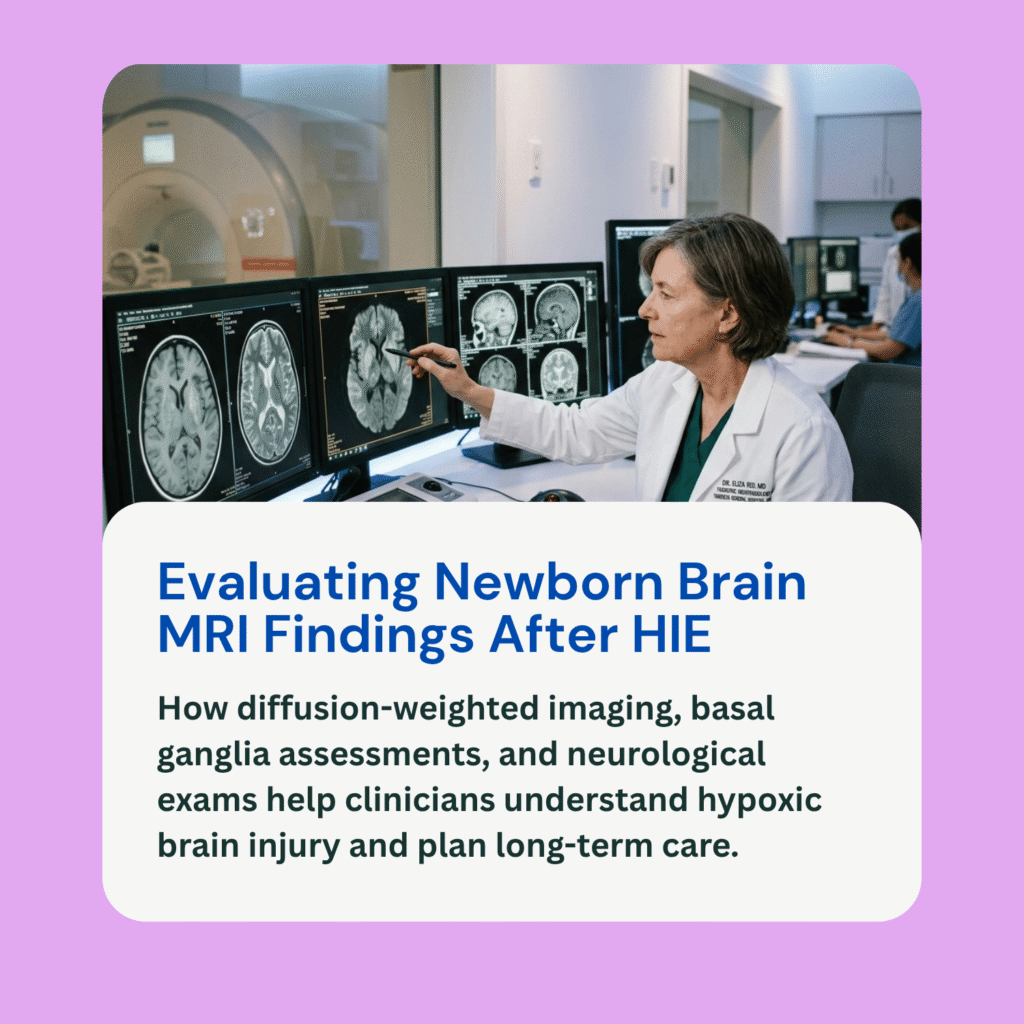
The Legal Connection: Failure to diagnose or manage pre-eclampsia is a common basis for malpractice. If a medical team ignores rising blood pressure or protein in the urine, the baby may suffer from Hypoxic-Ischemic Encephalopathy (HIE). In court, we look for whether the doctor failed to order an early delivery to save the baby from a toxic uterine environment.
3. Abnormal Fetal Position (Breech or Transverse)
Ideally, a baby should be “vertex” (head-down). When a baby is breech (feet/buttocks first) or transverse (sideways), the risks of umbilical cord prolapse or head entrapment increase exponentially.
The Legal Connection: 2026 medical standards generally mandate a C-section for breech presentations. If a physician attempts a high-risk vaginal breech delivery without informed consent or the necessary surgical backup, and the baby suffers a brain injury or spinal cord trauma, the physician may be held responsible for choosing a dangerous delivery method.
4. Advanced Maternal Age (Over 35)
Mothers over age 35 are statistically more likely to experience complications like gestational hypertension, placenta previa, and chromosomal abnormalities.
The Legal Connection: Because these pregnancies are “high risk” by definition, the law expects a higher level of screening. If a doctor treats a 40-year-old mother the same as a 20-year-old—failing to order extra ultrasounds or non-stress tests (NSTs)—they are deviating from the accepted standard of care for high-risk obstetrics.
5. Prolonged or Stalled Labor (Failure to Progress)
When labor lasts too long (labor dystocia), the baby is subjected to hours of repetitive contractions and pressure against the birth canal. This can lead to exhaustion and fetal distress.
The Legal Connection: The “Failure to Progress” is a major red flag. If a doctor allows a mother to push for four or five hours without considering a C-section, the baby may suffer a brain bleed or oxygen loss. Legal action often focuses on the “window of opportunity”—the moment the doctor should have moved to surgery but didn’t.
6. Mismanagement of Labor-Inducing Drugs (Pitocin)
Pitocin is used to strengthen contractions, but it is a “high-alert” medication. Over-administration causes uterine tachysystole—contractions that are so frequent (more than 5 in 10 minutes) that the baby cannot get enough oxygen between them.
The Legal Connection: Nurses and doctors must monitor the “strip” (fetal heart rate monitor) constantly when Pitocin is used. If the monitor shows the baby is struggling and the staff fails to turn off the Pitocin, they are directly responsible for the baby’s resulting oxygen deprivation or HIE.
7. Fetal Distress and Heart Rate Abnormalities
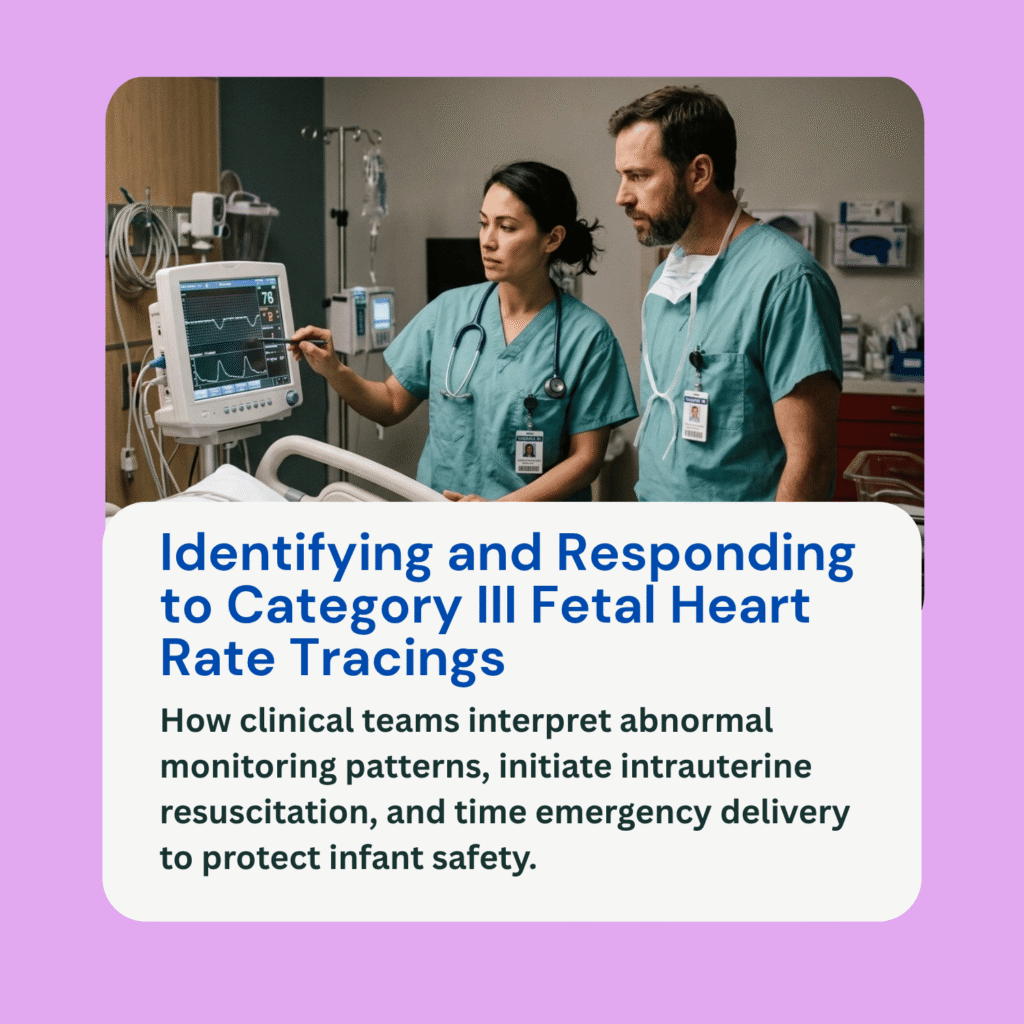
The fetal heart rate monitor is the baby’s only way to communicate. “Decelerations” (dips in heart rate) or a “lack of variability” indicate the baby is in trouble.
The Legal Connection: This is the most common area of birth injury litigation. We hire experts to review the heart rate strips. If the strips were “Category II” or “Category III” (indicating distress) and the medical team did not perform an emergency C-section within a timely manner (often within 30 minutes), the hospital is likely liable for medical malpractice.
8. Instrument-Assisted Delivery (Forceps and Vacuum)
Forceps and vacuums are powerful tools used to pull a baby out of the birth canal. However, they require immense skill.
The Legal Connection: Misuse of these tools causes “mechanical” trauma. If a doctor applies too much suction or pulls too hard with forceps, it can cause subgaleal hemorrhages (bleeding under the scalp) or skull fractures. In many cases, these tools are used as a “last resort” when an emergency C-section should have been performed instead.
9. Umbilical Cord Complications
The umbilical cord is the baby’s lifeline. A nuchal cord (wrapped around the neck) or a prolapsed cord (falling into the birth canal ahead of the baby) can cut off oxygen entirely.
The Legal Connection: A prolapsed cord is a “surgical emergency.” Every second counts. If the medical team fails to identify a cord issue on an ultrasound or fails to react immediately to a sudden drop in heart rate caused by cord compression, the resulting brain damage is often considered preventable.
10. Multiple Gestations (Twins or Triplets)
Carrying twins or triplets automatically places a mother in the “high risk” category due to the increased chance of premature labor and cord entanglement.
The Legal Connection: The “Second Twin” is at the highest risk. Often, after the first baby is born, the second baby shifts into a dangerous position or the placenta begins to detach. If the medical team is not prepared with a full surgical team standing by for a “Double Setup” (attempting vaginal delivery in an OR), the delay in delivering the second baby can lead to permanent injury.
When Risk Factors Lead to Legal Action
Having one of these risk factors does not mean a birth injury is inevitable. However, it does mean your medical team had a duty to be prepared. When they are not, the law provides a pathway for your child to receive the care they deserve.
A birth injury lawsuit is designed to cover the staggering costs of a lifetime of care, including:
- Life Care Planning: A detailed projection of all future medical needs, home modifications, and specialized vehicles.
- Therapeutic Interventions: Covering 20+ years of physical, occupational, and speech therapy.
- Medical Equipment: Funding for AFO braces, standers, and advanced communication devices.