
Can Preeclampsia Cause Brain Damage in a Baby?
Preeclampsia is a complex, multisystem pregnancy disorder characterized by high blood pressure (hypertension) and signs of organ damage—most commonly in the liver or kidneys—occurring after 20 weeks of gestation. While preeclampsia directly threatens maternal health, it also poses significant risks to the developing fetus. A primary concern for parents facing a severe diagnosis is whether preeclampsia baby brain damage can occur.
Medical evidence indicates that while preeclampsia does not automatically cause brain damage in every infant, it significantly increases the statistical risk of neurological injury. Preeclampsia acts as an initiating condition that sets off a cascade of secondary complications—including impaired placental blood flow, acute oxygen deprivation, and forced premature delivery—which can ultimately lead to fetal brain injury. This educational guide explores these medical pathways, how doctors manage the risks, and the long-term neurological outlook for affected infants.
The Pathophysiological Pathways to Fetal Neurological Injury
Preeclampsia is primarily a disease of the blood vessels, starting with abnormal development of the spiral arteries that supply blood to the placenta. This underlying vascular dysfunction links preeclampsia to potential neurological injury through several distinct pathways:
Placental Insufficiency and Chronic Hypoxia: In severe preeclampsia, constricted and poorly formed blood vessels restrict the placenta’s ability to transfer oxygen and nutrients to the fetus. This chronic lack of oxygen (hypoxia) forces the baby’s body to adapt, redistributing blood flow to protect vital organs like the brain. Over extended periods, chronic placental insufficiency depletes the infant’s physiological reserves, leaving the fetal brain vulnerable to acute injury during labor contractions.
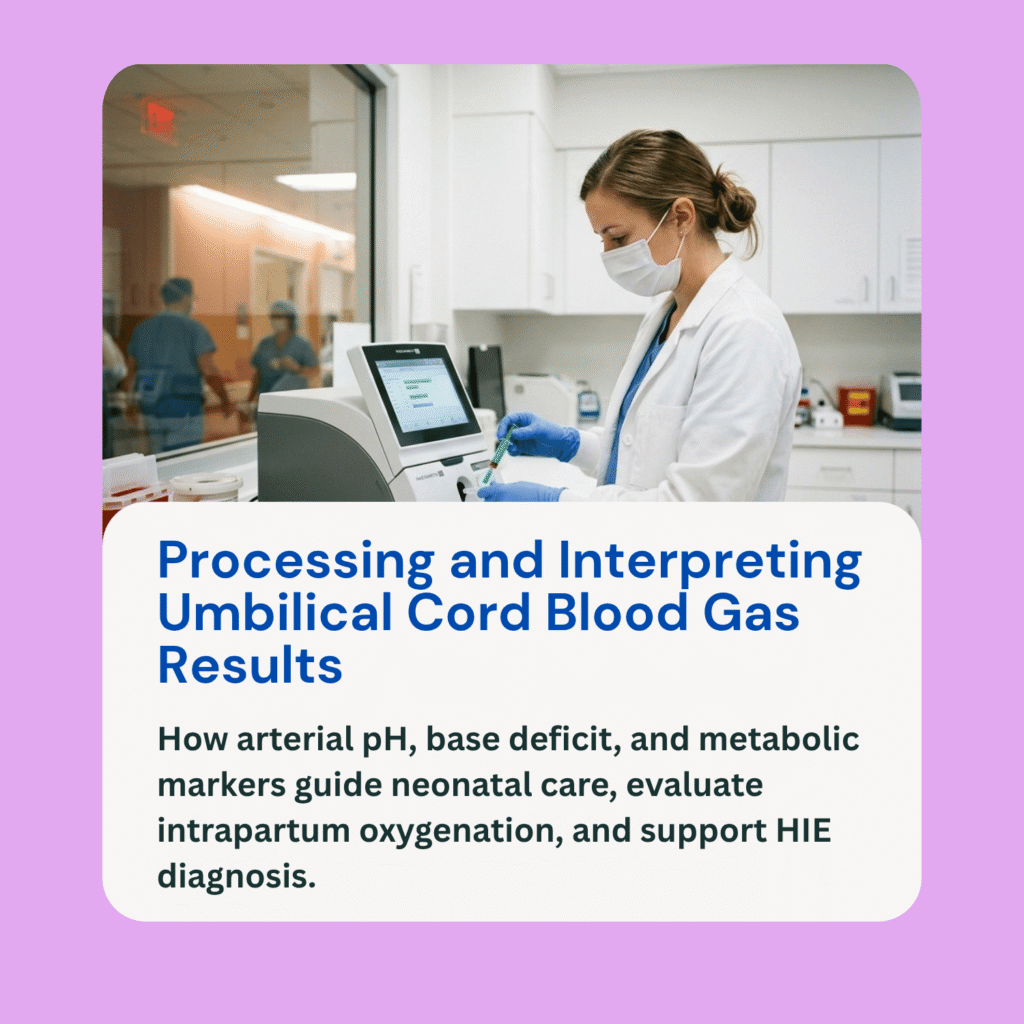
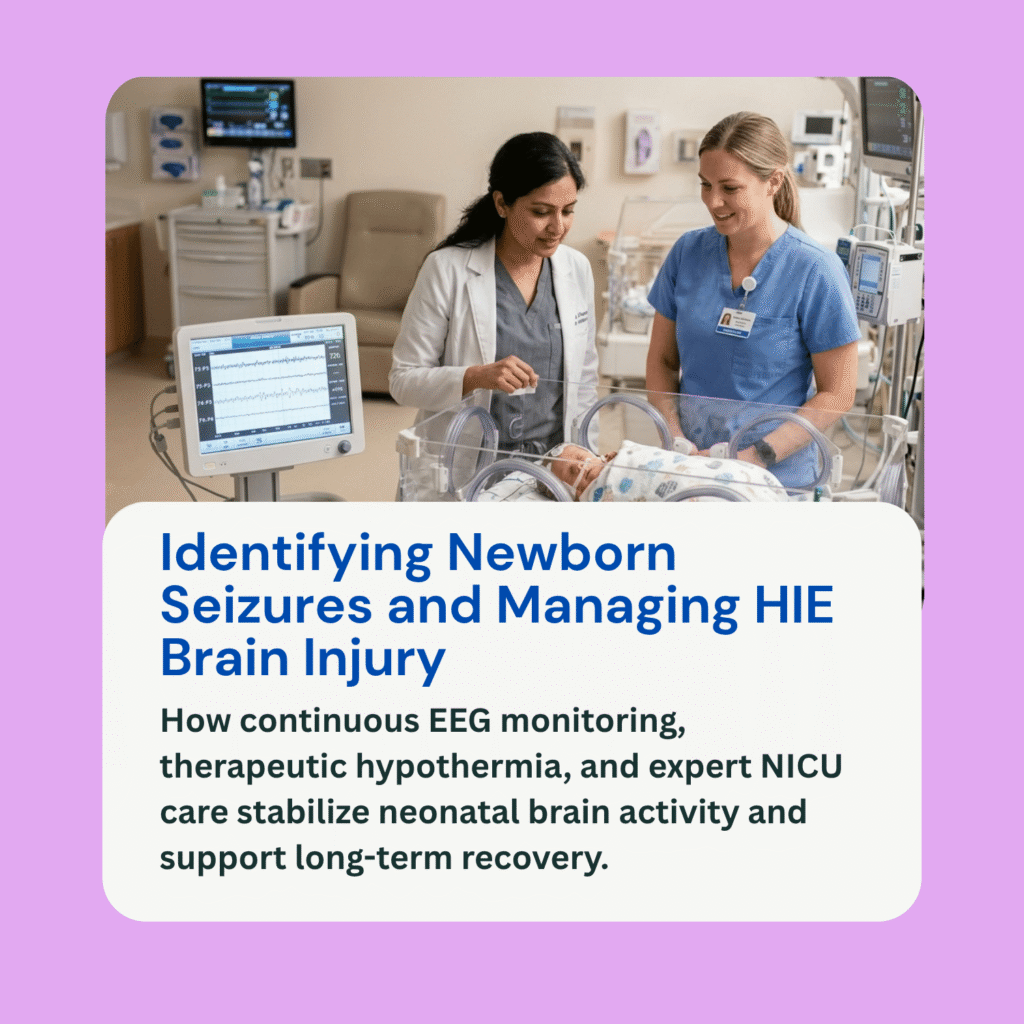
Acute Asphyxia and Hypoxic-Ischemic Encephalopathy (HIE): When a baby already compromised by placental insufficiency goes through labor, the natural stress of uterine contractions can completely disrupt the remaining blood supply. This acute drop in oxygen and blood flow (ischemia) can cause Hypoxic-Ischemic Encephalopathy, a severe brain injury characterized by inflammation, cellular energy failure, and brain tissue death.
Compromised Fetal Autoregulation: Healthy fetuses maintain stable blood flow to the brain despite fluctuations in systemic blood pressure. However, severe preeclampsia and chronic hypoxia impair this natural autoregulatory mechanism. As a result, sudden shifts in blood pressure during delivery can cause hypoperfusion (insufficient blood flow leading to ischemic brain injury) or hyperperfusion (excessive pressure leading to vessel rupture).
The Role of Premature Delivery and Neurological Risks
Often, the only definitive cure for severe preeclampsia is delivering the baby and placenta. Obstetricians frequently face a delicate clinical balancing act: keeping the baby in the womb long enough to mature, versus delivering early to save the mother from life-threatening complications like eclampsia (seizures), HELLP syndrome, or stroke.
Because severe preeclampsia is a leading cause of medically indicated premature delivery, many infants face the distinct neurological risks associated with prematurity itself.
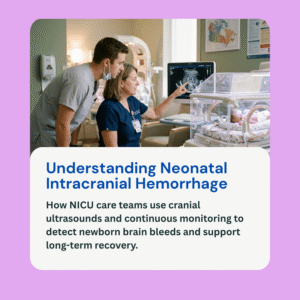
Before 32 weeks of gestation, an infant’s brain tissue and blood vessels are exceptionally fragile. Premature infants born due to severe preeclampsia face a high risk of Intraventricular Hemorrhage (IVH)—bleeding into the fluid-filled ventricles of the brain—as delicate blood vessels rupture under physical or circulatory stress. Prematurity also increases the risk of Periventricular Leukomalacia (PVL), a condition involving damage and death of the white matter tissue surrounding the brain’s ventricles, which is a leading cause of motor impairments and cerebral palsy.
Clinical Management and Risk Mitigation
While preeclampsia creates significant fetal risks, timely medical management dramatically reduces the likelihood of long-term brain injury:
Antenatal Corticosteroids: If early delivery becomes necessary before 34 weeks, doctors administer corticosteroid injections (such as betamethasone) to the mother. Corticosteroids accelerate the maturation of the baby’s lungs and stabilize fragile blood vessels in the brain, significantly lowering the incidence of severe IVH.
Magnesium Sulfate Administration: Obstetricians administer intravenous magnesium sulfate to mothers with severe preeclampsia. Beyond preventing maternal eclamptic seizures, magnesium sulfate acts as a powerful neuroprotective agent for the fetus, reducing the risk of cerebral palsy in preterm infants.
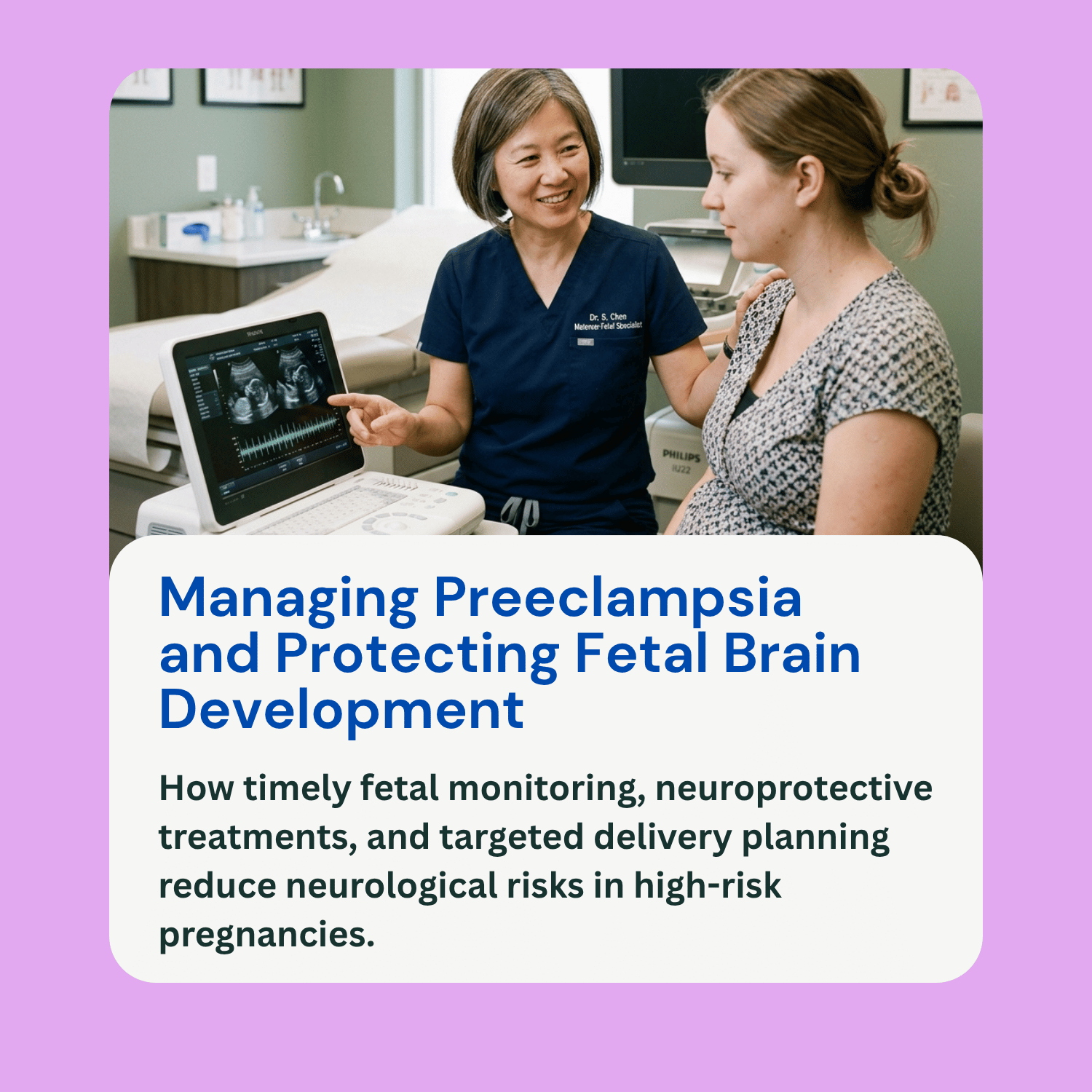
Vigilant Fetal Monitoring and Timely Delivery: High-risk pregnancies affected by preeclampsia require frequent ultrasound assessments, umbilical artery Doppler studies, and continuous electronic fetal heart rate monitoring. If monitoring reveals non-reassuring heart rate patterns or absent blood flow in the placenta, performing an emergency C-section prevents prolonged oxygen starvation and minimizes brain injury risks.
Long-Term Neurological Prognosis
The long-term outlook for a baby born to a mother with preeclampsia depends on the severity of the condition, the gestational age at birth, and whether acute complications occurred.
Many infants born after mild preeclampsia experience no long-term neurological issues. However, when severe preeclampsia leads to extreme prematurity, severe growth restriction, or HIE, children may face long-term challenges. These potential outcomes include cerebral palsy, developmental delays, learning disabilities, motor coordination deficits, and sensory processing disorders. Early intervention therapies—including physical, occupational, and speech therapy—play a vital role in optimizing neurological recovery for affected children.
Frequently Asked Questions (FAQ)
Does preeclampsia always cause brain damage in a baby?
No. Preeclampsia increases the risk of complications, but it does not directly or automatically cause brain damage. With proper prenatal monitoring, blood pressure management, and timely delivery, most babies born to mothers with preeclampsia develop normally without neurological injury.
Can high maternal blood pressure directly injure the baby’s brain?
High maternal blood pressure does not transfer directly into the baby’s circulatory system. Instead, the high pressure damages the blood vessels in the placenta, which indirectly hurts the baby by restricting the delivery of oxygen and nutrients.
How does brain cooling therapy help babies affected by preeclampsia?
If a baby suffers severe oxygen deprivation (HIE) during delivery due to preeclampsia-induced placental failure, therapeutic hypothermia (brain cooling) can be started within 6 hours of birth. Cooling the baby’s body temperature slows cellular metabolism, reduces brain swelling, and halts secondary tissue damage.
Could a brain injury from preeclampsia be due to medical negligence?
While preeclampsia itself develops naturally, preventable brain injuries can occur if healthcare providers fail to diagnose preeclampsia, ignore signs of severe fetal distress, mismanage blood pressure medications, or delay a necessary emergency C-section when the baby’s oxygen supply is compromised.