
What Is Perinatal Asphyxia?
Childbirth is a complex biological transition. While the vast majority of deliveries proceed smoothly, any sudden disruption to a baby’s oxygen supply immediately before, during, or shortly after birth can cause a critical medical emergency. This condition—where an infant is deprived of adequate oxygen to their blood and vital organs—is known as perinatal asphyxia.
Also frequently referred to as birth asphyxia, this condition requires immediate, highly coordinated medical intervention. If oxygen deprivation is brief, the newborn can often recover completely. However, prolonged asphyxia forces the body into a state of metabolic crisis, potentially leading to cell death in vulnerable organs, most notably the brain. This educational guide covers the underlying causes, diagnostic benchmarks, emergency treatments, and long-term neurological complications associated with this birth injury.
What is Perinatal Asphyxia?
The Primary Causes of Perinatal Asphyxia
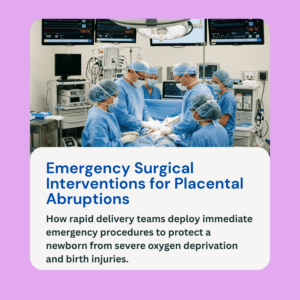
An oxygen crisis can emerge at various stages of the labor and delivery process, often stemming from a mix of maternal, placental, and fetal complications. Umbilical cord issues are among the most common culprits. A prolapsed cord, where the cord slips into the birth canal ahead of the baby and becomes crushed, a true knot in the cord, or a nuchal cord wrapped too tightly around the infant’s neck can cut off blood flow like a pinched hose. Similarly, a placental abruption—where the placenta prematurely detaches from the uterine wall—instantaneously severs the baby’s connection to the maternal oxygen supply.
Other catastrophic delivery events include a uterine rupture, which is a severe tear in the wall of the uterus that can displace the baby into the abdominal cavity, causing massive internal hemorrhaging. Furthermore, a prolonged or stalled labor characterized by hyper-stimulated contractions (frequently caused by the misuse of labor-inducing drugs like Pitocin) can completely exhaust a baby’s oxygen reserves. Finally, acute maternal medical crises such as severe hypotension, preeclampsia, or sudden respiratory arrest directly compromise the quality of oxygen circulating to the fetus.
How Clinicians Diagnose Asphyxia at Birth
Because every second counts, medical teams look at specific, objective clinical parameters to officially diagnose perinatal asphyxia and determine the severity of the oxygen deprivation. One of the first signs is a low APGAR score, particularly a score between 0 and 3 that persists for more than 5 minutes.
To confirm tissue-level distress, doctors will draw blood from the umbilical cord vessels immediately after delivery. A pH level below 7.0 or a base deficit greater than 12 mmol/L indicates severe metabolic acidosis, providing clear chemical proof that the baby’s organs lacked oxygen.
Clinicians also evaluate the newborn for signs of acute neurological depression, which often manifests as profound hypotonia (a limp, “floppy” body), an absent crying or sucking reflex, altered states of consciousness, or early-onset seizures. Over the hours following birth, multisystem organ dysfunction—such as kidney injury, abnormal heart rhythms, or spikes in liver enzymes—further helps confirm that a systemic asphyxia event took place.
Emergency Treatment: The Power of Therapeutic Hypothermia
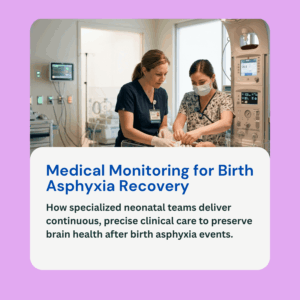
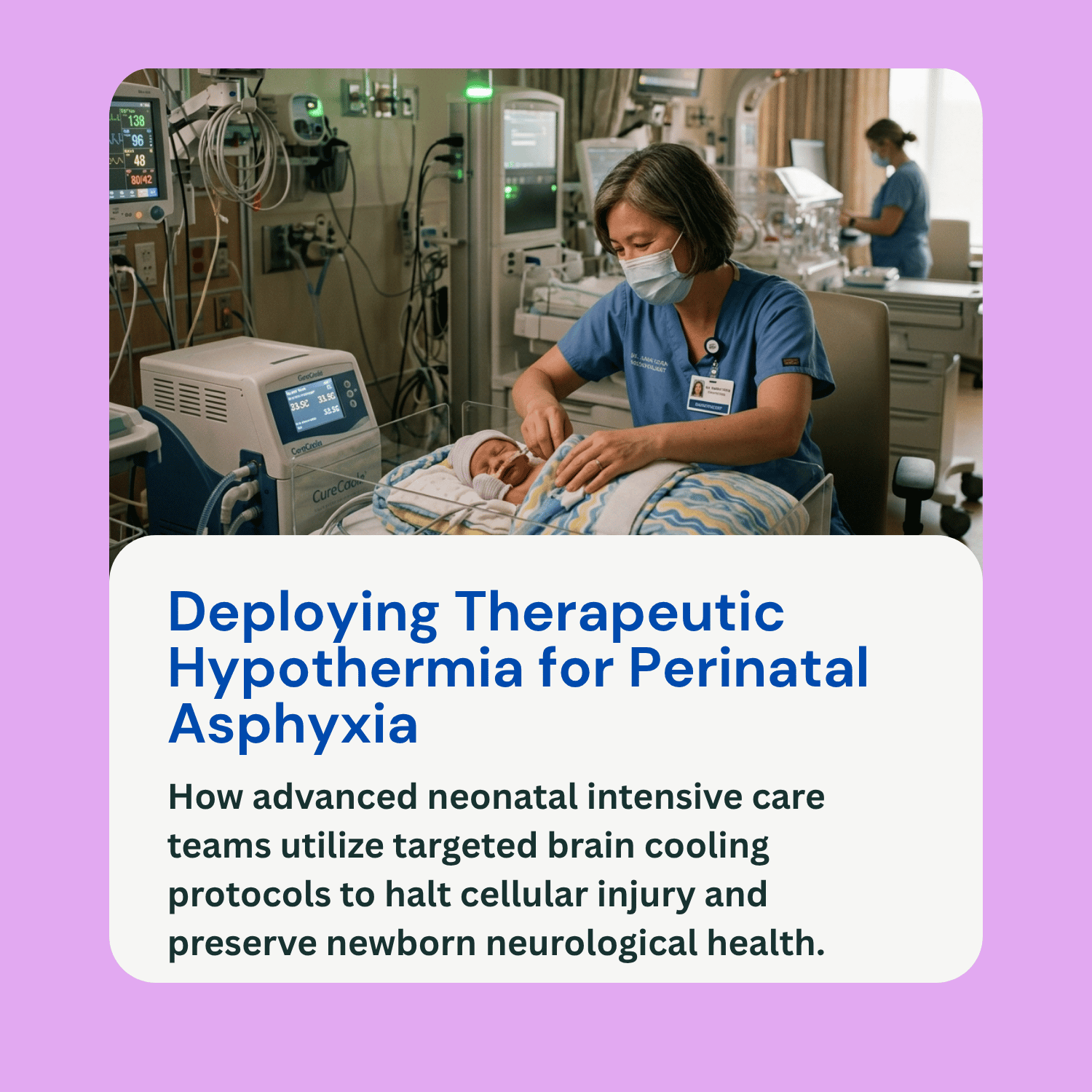
When a newborn is stabilized after a severe asphyxia event, the medical team’s primary objective transitions from basic resuscitation to protecting the brain from secondary injuries. The gold standard treatment for moderate-to-severe asphyxia is therapeutic hypothermia, commonly called brain cooling.
During this procedure, the infant is placed on a specialized, temperature-regulated cooling blanket that lowers their core body temperature from the normal 37°C down to approximately 33.5°C (92.3°F). This cooling process must be initiated within a critical window of the first 6 hours of life and maintained continuously for 72 hours. By cooling the body, doctors slow down the infant’s metabolic rate, which suppresses the harmful chemical cascades—such as the toxic release of glutamate and free radicals—that typically occur when oxygen suddenly returns to injured brain tissue. Brain cooling has been clinically proven to significantly reduce the risk of permanent neurological death and long-term disability.
Related Birth Injuries and Long-Term Outcomes
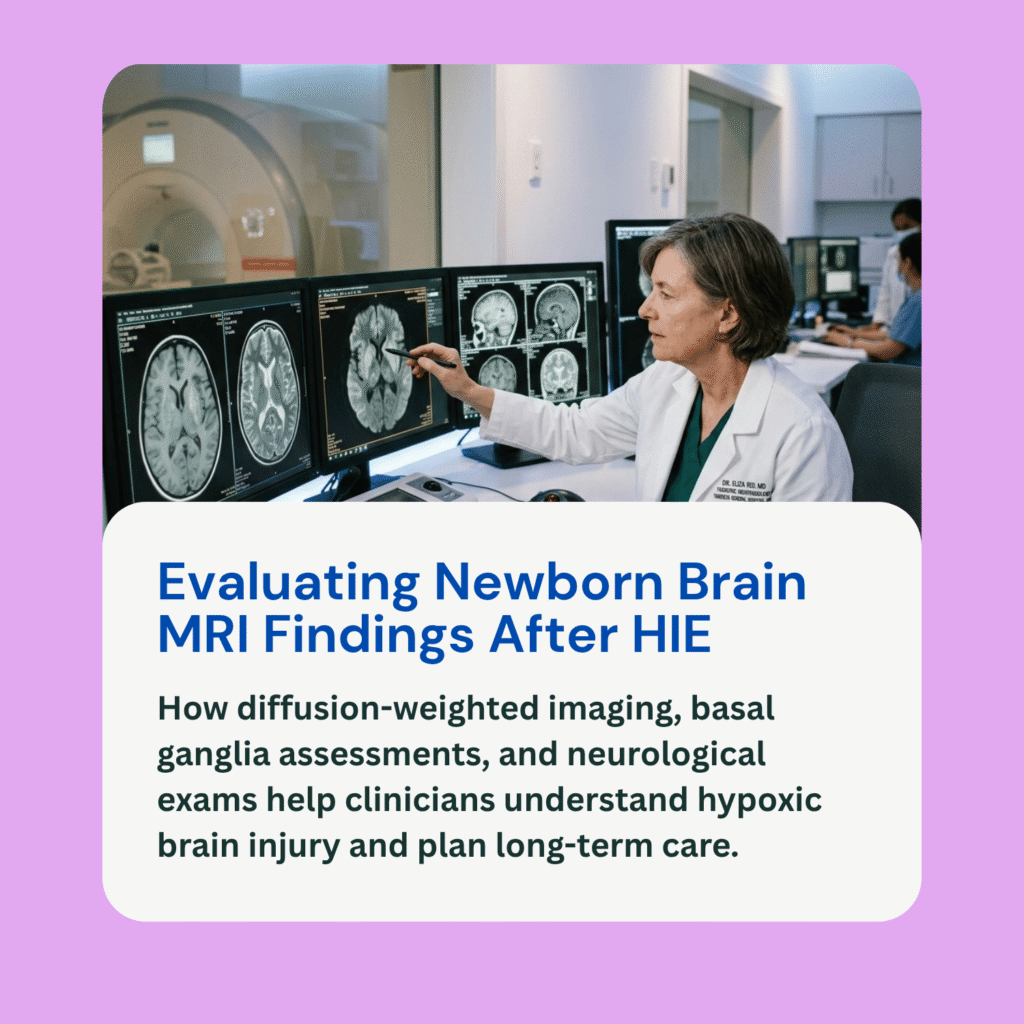
The long-term outlook for an infant who survives perinatal asphyxia is tightly linked to the duration of the oxygen deficit. While mild cases may resolve with zero lasting consequences, severe or unmanaged asphyxia can lead to permanent, chronic neurodevelopmental conditions. A direct consequence is Hypoxic-Ischemic Encephalopathy (HIE), the specific diagnosis for brain tissue destruction caused by oxygen deprivation. HIE frequently serves as the catalyst for secondary developmental and motor disabilities.
If the oxygen debt damages the motor cortex or basal ganglia of the brain, the child may develop cerebral palsy (CP), a permanent physical condition that impairs muscle tone, posture, movement, and fine motor coordination. Additionally, damaged neural pathways can misfire, leading to chronic electrical disruptions that manifest as recurring childhood epilepsy or seizure disorders. As the child grows, injuries to the cerebral cortex can also result in intellectual disabilities, speech delays, sensory processing disorders, and behavioral challenges.
Frequently Asked Questions (FAQ)
Is perinatal asphyxia always preventable?
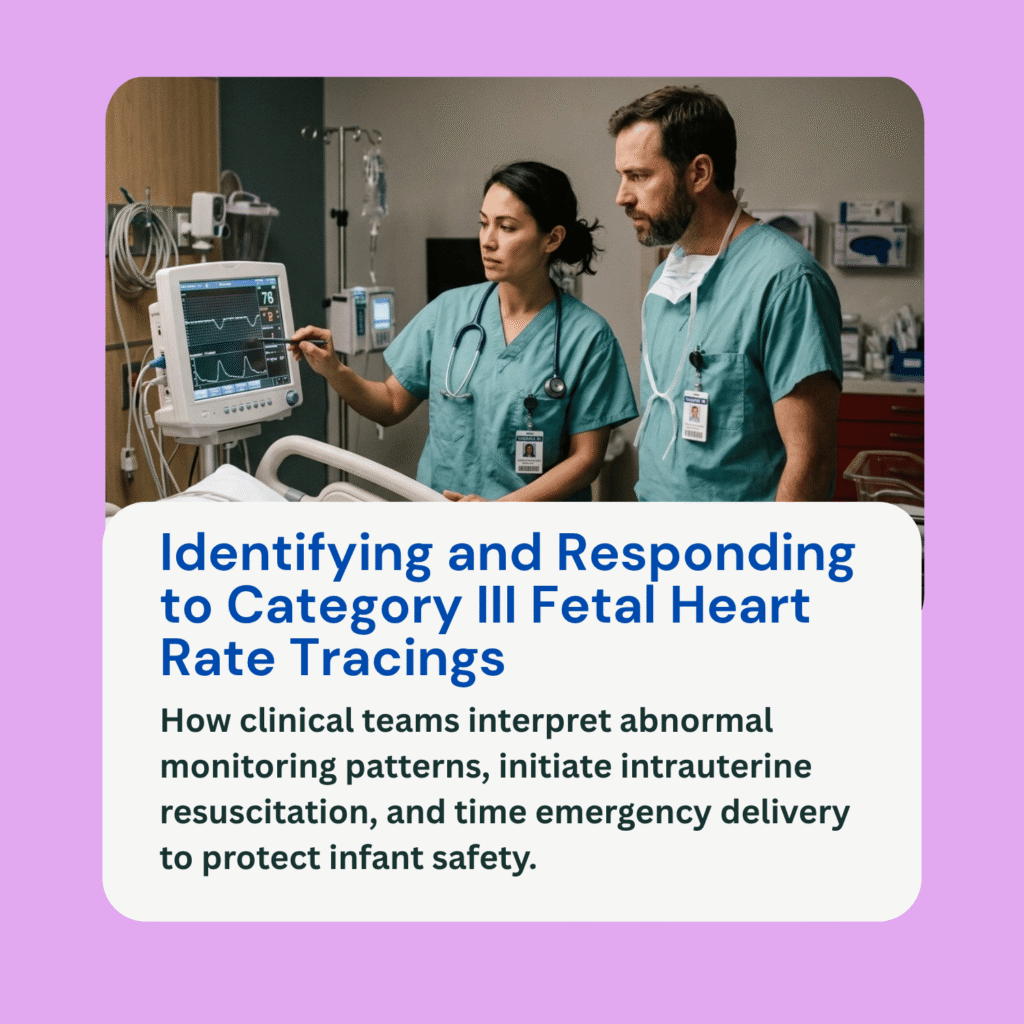
Not always. Certain issues, like an unpredictable placental abruption or a sudden umbilical cord knot, can occur without warning. However, if a medical team fails to carefully read a fetal heart monitor, ignores repetitive late decelerations, or delays performing an emergency C-section when a baby is in distress, their failure to act quickly can turn a manageable issue into a permanent birth injury.
What is the difference between hypoxia, hypoxemia, and asphyxia?
While often used interchangeably, they represent distinct clinical stages. Hypoxemia refers specifically to low oxygen content within the arterial blood supply. Hypoxia means that general body tissues and organs are not receiving enough oxygen to function. Asphyxia is the most severe tier, combining tissue hypoxia with a lack of blood perfusion and a dangerous accumulation of carbon dioxide and acid in the blood.
Can a baby fully recover from perinatal asphyxia?
Yes. Infants who experience mild asphyxia and receive immediate, high-quality delivery room resuscitation often recover beautifully. The brain’s natural neuroplasticity—the ability to grow and rewire alternative neural pathways—helps many children overcome early oxygen hurdles, provided the cellular damage wasn’t deep or prolonged.
How do I find out if my child’s developmental delay was caused by birth asphyxia?
To establish a clear medical link, a pediatric neurologist will review your child’s complete birth records. They look for specific diagnostic footprints, including abnormal electronic fetal monitoring strips from labor, low cord blood pH levels, low APGAR scores, early neonatal seizures, and distinct structural damage patterns visible on an early brain MRI scan