
Can Placental Abruption Cause Birth Injuries?
Throughout pregnancy, the placenta functions as the ultimate support system for a developing baby. Anchored firmly to the inner wall of the uterus, it transfers oxygen, antibodies, and vital nutrients from the mother’s bloodstream directly to the fetus via the umbilical cord. Under normal circumstances, the placenta remains securely attached until after the baby is delivered. However, in a dangerous medical complication known as a placental abruption, the placenta prematurely peels away from the uterine wall before birth.
When an abruption occurs, it creates an immediate dual crisis: it causes significant internal bleeding for the mother and simultaneously disrupts or entirely cuts off the baby’s supply of oxygen and nutrients. For expectant parents, understanding the direct connection between placental abruption birth injuries pathways is essential. This educational guide outlines the primary risk factors behind this condition, the emergency protocols medical teams must deploy, and the potential long-term neurological complications that can impact an infant if treatment is delayed.
Understanding the Risk Factors for Placental Abruption
While a placental abruption can happen suddenly without warning, certain clinical risk factors significantly increase the probability of its occurrence during pregnancy or labor. Chronic hypertension and preeclampsia represent the single greatest threat, as high blood pressure damages the delicate blood vessels connecting the placenta to the uterine wall and makes them prone to tearing. Physical trauma to the abdomen, such as from a car accident or a fall, can also mechanically shear the placenta away from the uterus.
Vascular complications become statistically more common as maternal age increases past 35, and any mother who has experienced an abruption in a past pregnancy faces a significantly elevated risk of recurrence. Finally, a sudden decompression of the uterus—often caused by a rapid loss of amniotic fluid when the water breaks—can cause the uterine wall to shrink rapidly, pulling away from the placenta.
The Biological Mechanism of Injury: Oxygen Deprivation
To understand how placental abruption birth injuries occur, it helps to view the placenta as the baby’s external lungs. When the placenta separates from the uterine wall, the blood vessels that bridge the mother and baby tear open.
As a result, a pool of blood forms behind the placenta, further pushing it away from the uterine tissue. This creates an immediate drop in fetal blood pressure and restricts the volume of oxygen-rich blood reaching the baby. If the abruption is partial, the baby may experience mild distress. However, a total or near-total abruption results in complete birth asphyxia (profound oxygen deprivation). Without a steady oxygen supply, the infant’s brain cells begin to break down within minutes, laying the groundwork for permanent neurological damage.
Emergency Medical Protocols and Immediate Interventions
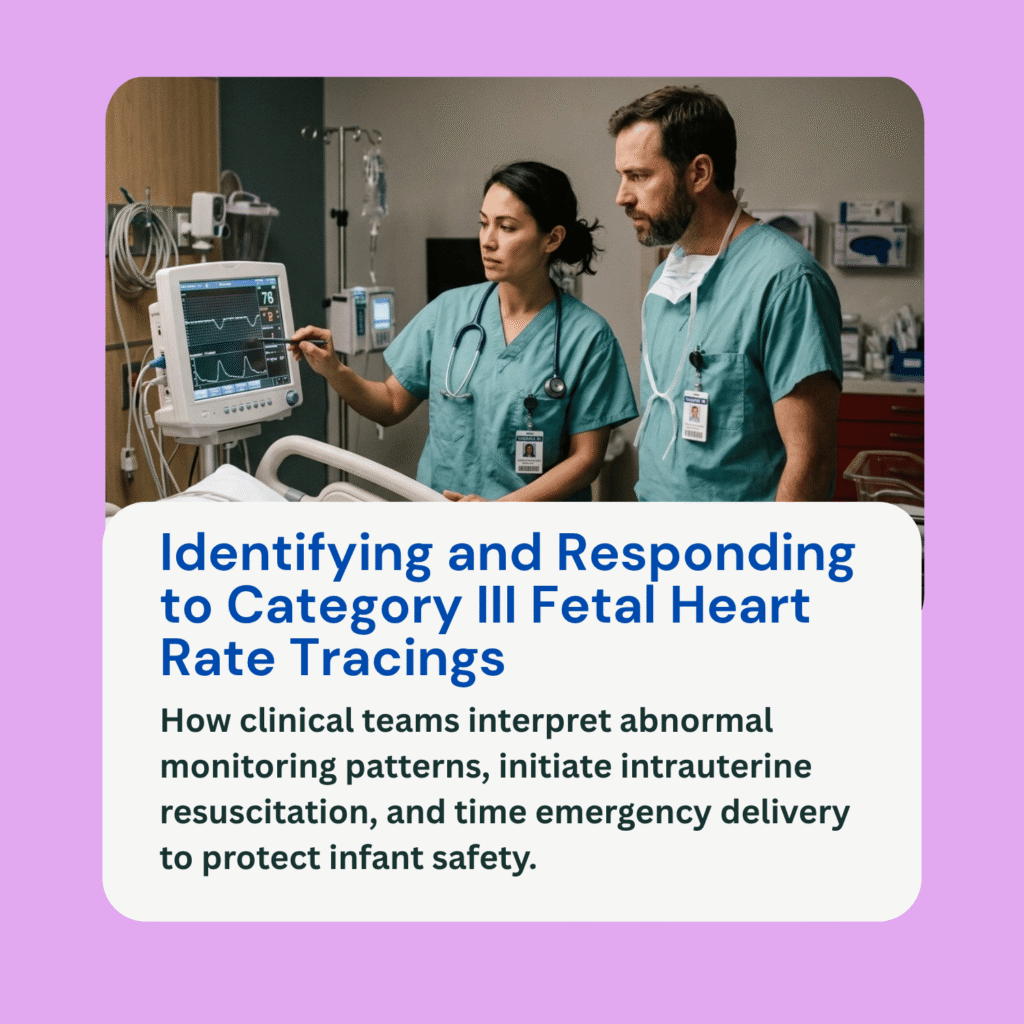
A placental abruption is a life-threatening medical emergency that requires immediate clinical action, and delayed decision-making in the delivery room can drastically worsen the infant’s prognosis. Doctors initially diagnose an abruption based on clinical symptoms like sudden, painful vaginal bleeding, severe abdominal or back pain, uterine rigidity, and prominent signs of fetal distress on the heart monitor.
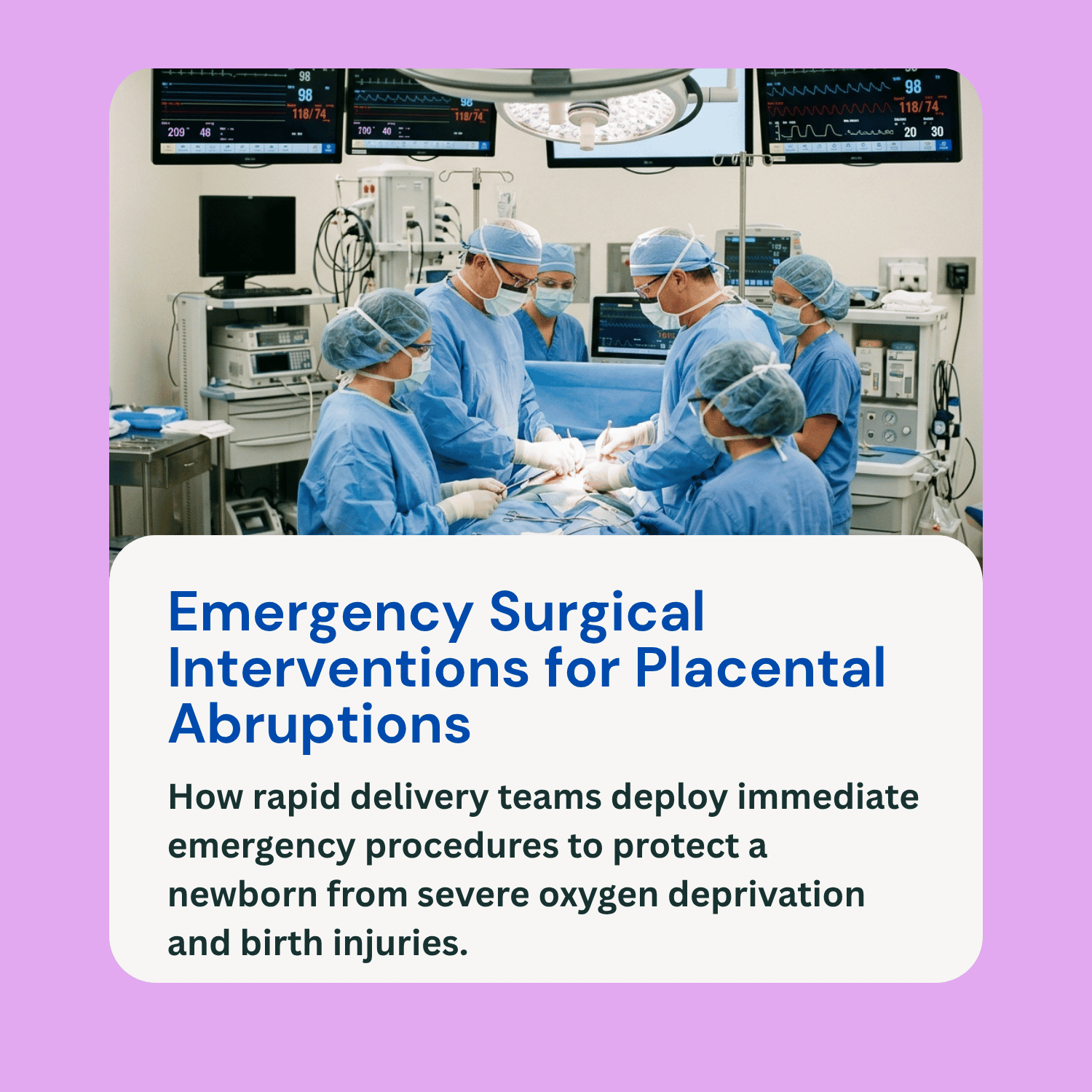
If the abruption is severe and the baby’s heart rate monitor shows non-reassuring patterns such as prolonged or late decelerations, the definitive treatment is an immediate emergency C-section. Every minute the medical team delays delivery increases the child’s risk of profound brain damage or stillbirth. The standard of care typically mandates that an emergency delivery be executed within 30 minutes of identifying severe fetal distress.
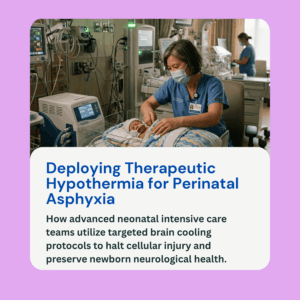
Following delivery, if the baby is born limp or pale due to blood loss and asphyxia, a specialized neonatal resuscitation team must immediately clear the airway and stabilize blood volume. If the infant shows signs of acute brain distress, the NICU team may initiate therapeutic hypothermia (brain cooling) within the first six hours of life to slow cellular damage and improve long-term cognitive outcomes.
Potential Complications and Long-Term Birth Injuries
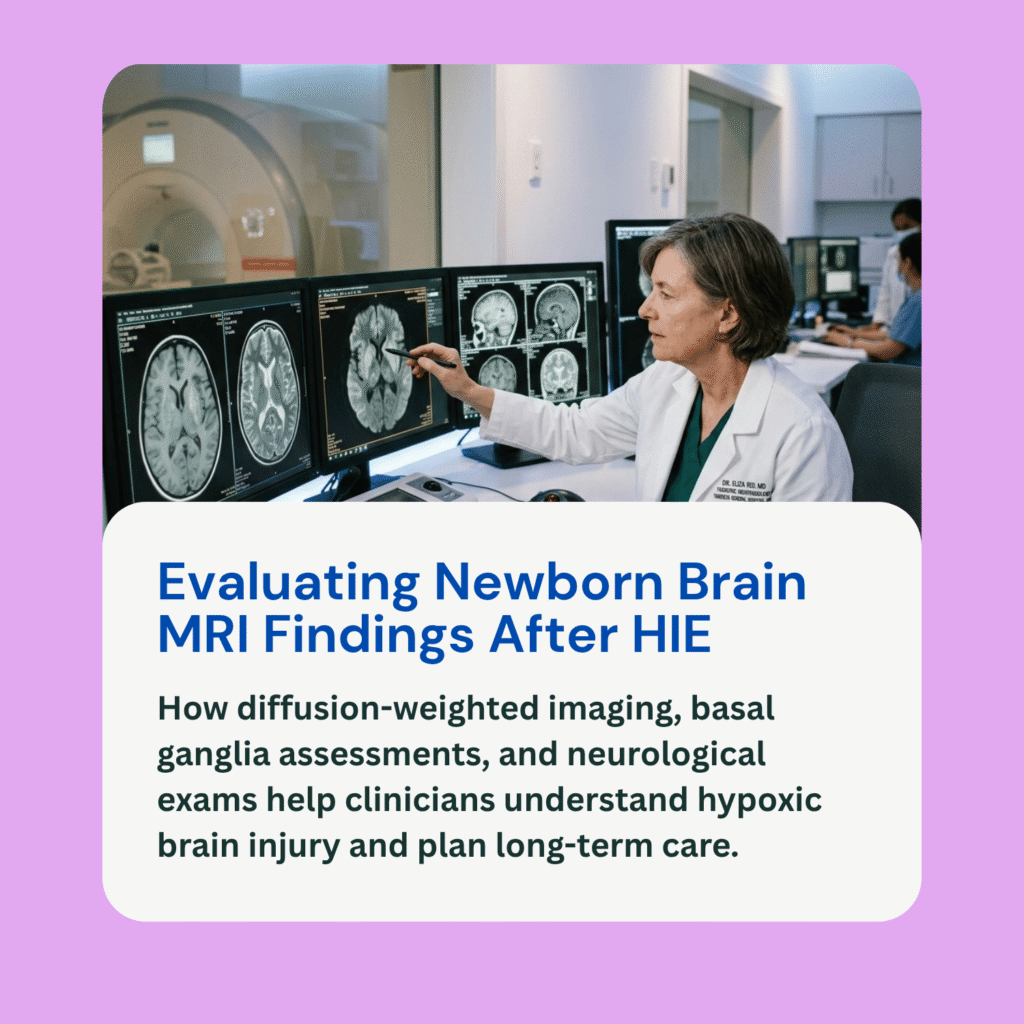
When a medical team fails to identify a placental abruption quickly or delays an emergency surgical delivery, the resulting oxygen deprivation can lead to severe, chronic placental abruption birth injuries. A primary concern is Hypoxic-Ischemic Encephalopathy (HIE), an acute brain injury caused by a profound lack of oxygenated blood flow during birth. If this oxygen deprivation damages the motor control centers of the infant’s brain, the child may develop cerebral palsy (CP), a lifelong disorder affecting muscle tone, movement, balance, and posture.
Beyond motor challenges, children may struggle with developmental and cognitive delays, including difficulties with language acquisition and fine motor skills as they grow. Premature babies exposed to uterine bleeding face an increased risk of Periventricular Leukomalacia (PVL), which involves the death or softening of white matter brain tissue around the fluid-filled cavities of the brain. Furthermore, extreme birth asphyxia can cause systemic damage, leading to temporary or permanent failure of the baby’s kidneys, heart, or liver.
Frequently Asked Questions (FAQ)
Can a placental abruption occur without visible vaginal bleeding?
Yes. In roughly 20% of cases, the abruption is “concealed” or “internal.” This happens when the blood becomes trapped behind the placenta and does not pool down into the cervix. In these scenarios, doctors must rely on sudden, intense abdominal pain, uterine tenderness, and fetal heart rate drops to diagnose the emergency.
Is a placental abruption always considered medical malpractice?
No. The separation of the placenta itself is an unpredictable medical event that a doctor cannot always prevent. However, if a doctor or labor nurse ignores the clear signs of fetal distress on a heart monitor strip, fails to prioritize a maternal hemorrhage, or delays performing an emergency C-section, that specific clinical delay constitutes medical negligence.
What is the prognosis for a baby after a mild placental abruption?
If the abruption is minor or partial, and the medical team monitors the baby closely, many infants are delivered safely via a controlled induction or planned C-section. As long as the baby’s heart rate stays stable and oxygen levels do not experience a prolonged drop, the infant can recover completely with no long-term neurological or physical complications.
What long-term resources are available for children injured by an abruption?
Children diagnosed with chronic conditions like HIE or cerebral palsy benefit immensely from early intervention programs, which include physical, occupational, and speech therapies to manage muscle tone and reach daily milestones. Additionally, families may pursue birth injury evaluations to secure long-term financial support for specialized medical care.